The Cost of Making Non-Alcoholic Wine: Production Insights

Ever wondered why that bottle of non-alcoholic wine costs about the same as the regular stuff? It seems counterintuitive—you're getting *less*, right? Understanding non-alcoholic wine production cost isn't as simple as subtracting the alcohol. Our guide, The Cost of Making Non-Alcoholic Wine: Production Insights, will help you navigate through the complexities of non alcoholic wine production costs as well as many other steps in the production process that are required to make non alcoholic wines.
Crafting a decent non-alcoholic wine is a surprisingly involved process. This post breaks down the factors influencing the cost of non-alcoholic wine, from grape to bottle.
The Making of Non-Alcoholic Wine
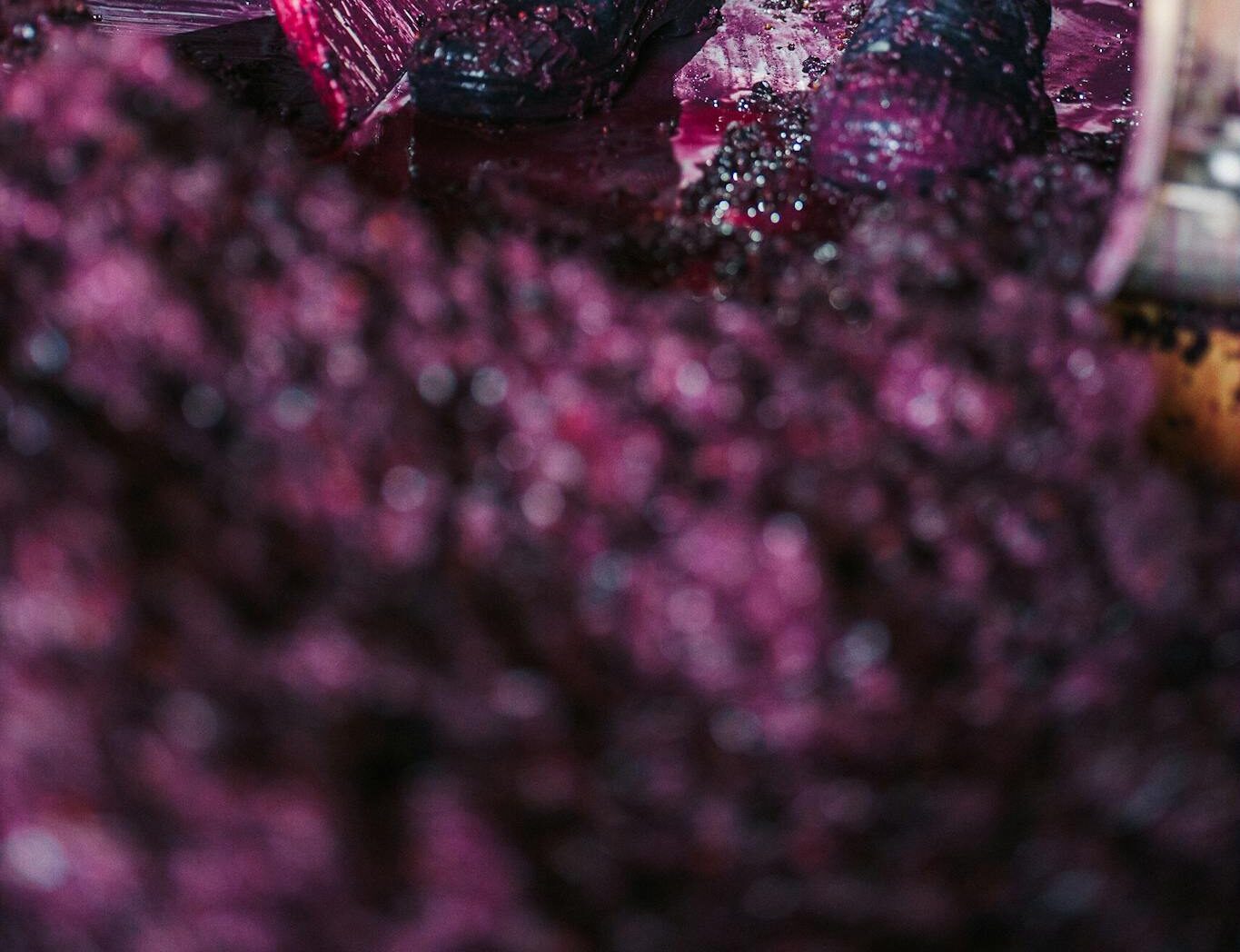
Most non-alcoholic wines begin just like traditional wines. They use quality grapes, harvested at peak ripeness, and fermented. This means the initial costs of land, labor, machinery, and time are similar when making alcohol-free wines as those of their traditional counterparts.
This research sample from the University of California shows how alcoholic wine costs vary.
One crucial step remains: dealcoholization. This involves methods like vacuum distillation, reverse osmosis, or spinning cone technology.
These methods require costly machinery, precise controls, and skilled labor, adding to non-alcoholic wine production cost.
Dealcoholization: The Costly Catch
Reverse osmosis passes wine through a membrane, separating the alcohol. Vacuum distillation gently heats wine under low pressure, evaporating the alcohol while preserving flavors.
Spinning cone columns use centrifugal force to separate alcohol. These extra steps increase expenses, but the detailed production numbers remain internal.
Why Not Just Use Cheaper Grapes?
Couldn’t companies use cheaper grapes to offset expenses? While seemingly logical, the quality of non-alcoholic wine depends on good ingredients.
Many prefer non-alcoholic wine for health reasons, athletic pursuits, or because they cannot metabolize alcohol. Poor starting material defeats this purpose.
Creating great alcohol-free wine is challenging. Some grape varieties are better suited for dealcoholization, requiring careful selection.
Beyond the Production Line
Production costs aren't the only factor when considering the cost of making non-alcoholic wine. Emerging categories like non-alcoholic beverages often involve smaller batches, targeted marketing, and specific audiences.
These factors drive pricing. Successful non-alcoholic businesses need targeted ad campaigns and other costly endeavors. These efforts often add to the final non-alcoholic wine production cost.
The Non-Alcoholic Wine Market
Shouldn't non-alcoholic wines have lower prices? Non-alcoholic white wines and other non-alcoholic beverages offer value *because* of their differences.
Non-alcoholic doesn't always mean alcohol-free. These beverages begin as wines and undergo dealcoholization to reduce alcohol content. IWSR’s Daniel Mettyear offers further insights.
Growth in alcohol alternatives is substantial. Fact.MR predicts a $10 billion non-alcoholic sector by 2027. Consumers are increasingly shifting to low and no-alcohol options.
The Sober-Curious Movement and Rising Prices
For many, alcohol content isn't the main concern; it's the balance of price, quality, and flavor. Consumers want non-alcoholic options without sacrificing taste.
As health consciousness grows, so does the demand for healthier choices, even at a premium. Some non-alcoholic wines reach prices of $80.
This health trend is significant. With a growing "sober-curious movement," demand and prices for non-alcoholic alternatives are rising. This shift also contributes to the cost of making non-alcoholic wine.
The Cost of Making Non-Alcoholic Wine
Multiple sources confirm that the cost of making non-alcoholic wine often matches or exceeds that of traditional wine. Making sophisticated wines without alcohol is complex.
Specialized technology, costly production, and dealcoholization contribute to higher expenses. The dealcoholization process alone can outweigh the cost of the removed alcohol.
FAQs about non-alcoholic wine production cost
Why is the cost of making non-alcoholic wine so High?
Several factors contribute to the higher non alcoholic wine production cost. High-quality ingredients are essential since consumers prioritize taste. Specialized dealcoholization methods and additional manufacturing overhead also play a role.
Is there a market for non-alcoholic wine?
The non-alcoholic beverage market is expanding rapidly, driven by health-conscious consumers and the "sober-curious" movement. Market reports predict significant growth, indicating a strong and growing market.
What is the future of non-alcoholic wine?
The future likely involves refined Refined is a term that refers to wine th... More processes, sophisticated flavors, and diverse grape varietals. As the sector matures, quality improvements and potentially lower prices are anticipated as technology becomes more readily available. The “sober-curious” trend suggests continued growth.
How is non-alcoholic wine produced?
Non-alcoholic wines are produced using reverse osmosis, vacuum distillation, and spinning cone columns. These technologies carefully extract alcohol while preserving the wine's character. Dilution is another method, but it can sometimes compromise flavor.
Non-alcoholic beers and “fake wines” use different starting products like fermented tea or fruit mixtures, resulting in lower production costs. Some emerging companies, however, focus on premium quality and taste.
Conclusion
Non-alcoholic wine production cost may seem puzzling, but it reflects the complex production methods used. Creating these beverages requires specialized techniques.
Several factors contribute to the higher non-alcoholic wine production cost. These factors include quality ingredients, complex dealcoholization technology, and a growing "sober-curious" culture.