The Impact of Fermentation on Non-Alcoholic Wine Flavor

Ever wondered how non-alcoholic wine gets its "wine-like" character without the alcohol? The magic happens through non-alcoholic wine fermentation. This process blends traditional winemaking with innovative dealcoholization methods. It starts much like classic winemaking but takes a crucial turn. In this guide, you will learn about the effects of fermentation on non-alcoholic wine flavor.
Non-alcoholic wine fermentation mirrors regular winemaking initially. However, steps at the end of traditional vinification extract the alcohol. This leaves 0.0% or up to 0.5% ABV What Does A.B.V. Mean in Wine? What does... More. In the USA, non-alcoholic wine contains no more than 0.5% ABV. European non-alcoholic wine may use grapes with very little natural sugar or employ other methods to achieve minimal alcohol content.
Understanding Non-Alcoholic Wine Fermentation
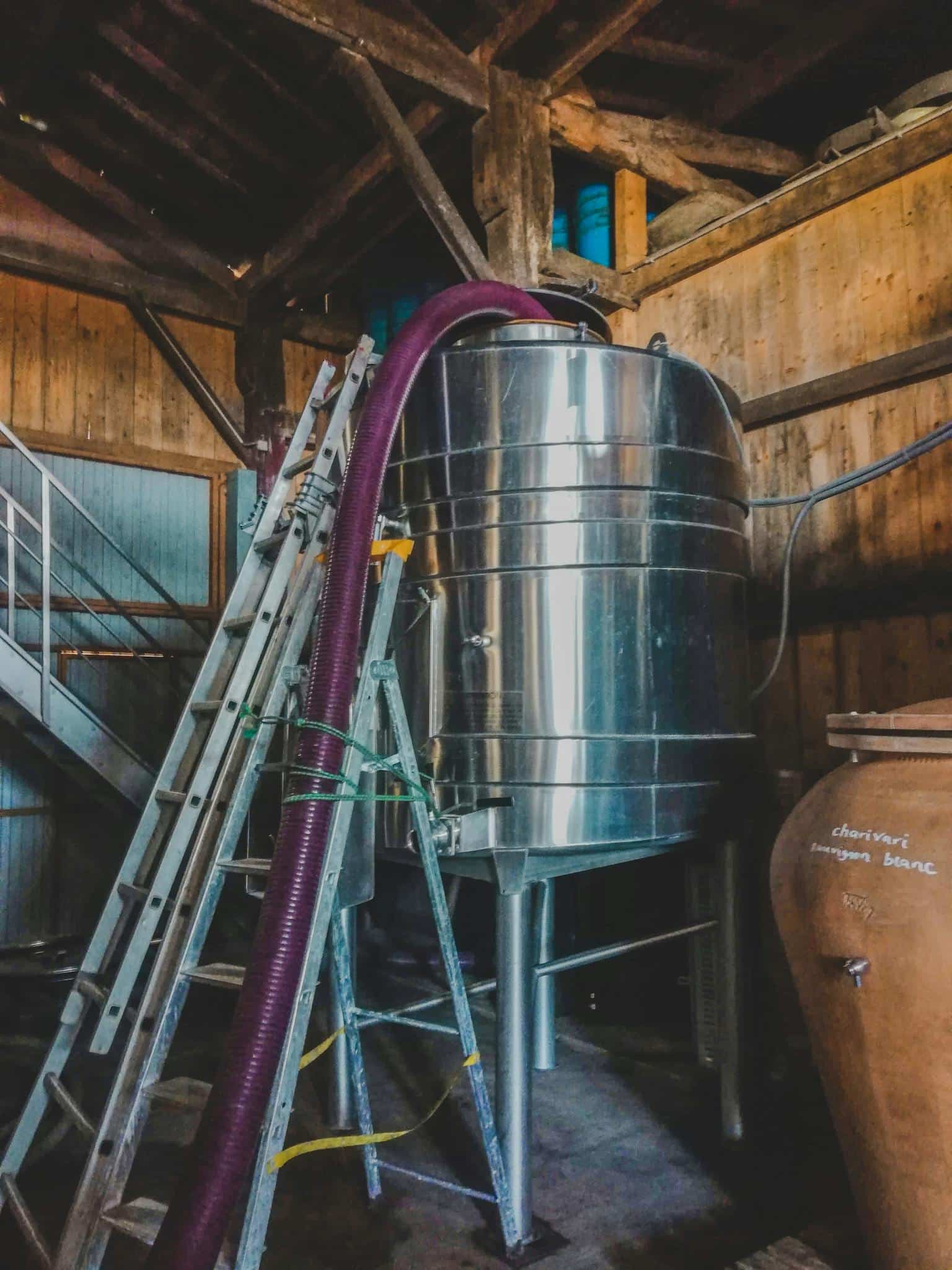
Let's explore how non-alcoholic wine fermentation works. Grapes are harvested, crushed, and the juice ferments, converting sugars into alcohol, similar to standard winemaking. Archaeological evidence reveals that grape fermentation has existed for thousands of years.
The Dealcoholization Process
Here's where the process deviates from traditional wine production: alcohol removal. Several methods achieve this while preserving the wine's delicate flavors and aromas. These methods help create both non-alcoholic white wine and non-alcoholic red.
- Vacuum Distillation: This method gently heats the wine under reduced pressure. This lowers alcohol's boiling point, allowing it to evaporate without affecting the wine's flavors. The alcohol wine is removed using vacuum distillation while avoiding heat damage.
- Reverse Osmosis: This filters out the alcohol through a membrane, retaining the flavor compounds. Reverse osmosis helps in making non-alcoholic wine.
- Spinning Cone Column: This technology separates and captures the wine's natural essences before extracting the ethanol via distillation. The spinning cone column is crucial to remove alcohol and volatile
 Volatile wine refers to wine that has ex... More compounds.

Each method has advantages and disadvantages regarding cost, efficiency, and the resulting flavor. Companies like BevZero have pioneered non-alcoholic wine production using methods like spinning cone technology.
Their proprietary essence capture method preserves distinct flavor notes. These are added back after alcohol extraction, maintaining the wine's taste. Used for over two decades in California and Europe, this method is popular in the non-alcoholic beverage market. It also produces a quality product.
Recreating the Wine Experience
After removing alcohol, producers sometimes adjust the resulting product. This may involve adding grape juice concentrate, sugars, or natural extracts like mannoproteins. These additions help restore body and round out the flavor profile of the non-alcoholic wine.
Balancing Flavor and Alcohol Content in Non-Alcoholic Wine Fermentation
Sugar management is crucial in non-alcoholic wine fermentation. Fermentation converts the grapes' natural sugars into alcohol, which is then removed. Balancing the initial sugar levels helps create the desired sweetness or dryness in the final product.
Navigating Sugar Levels
Balancing yeast Wine yeast is a microorganism essential ... More and sugar levels affects the sweetness and alcohol strength of non-alcoholic wines. This is especially important for sparkling wines, like non-alcoholic sparkling chardonnay
 Chardonnay is a white wine made from gre... More or other sparkling wines.
Adjusting Acidity
Acidity plays a key role in the flavor of both traditional and non-alcoholic wines. Winemakers carefully monitor and adjust acidity levels during fermentation to achieve the desired balance. This helps enhance the overall quality of both red wines and white wines.
The Rise of Non-Alcoholic Options
Decades ago, non-alcoholic wines were often perceived as being a type of sweet fruit juice. The rise of quality non-alcoholic beers and liquors changed this perception. Consumers are increasingly seeking alcohol-free drinks.
Health reasons often motivate this choice, but other factors also play a role. The process of removing alcohol from wine makes it a popular non-alcoholic choice for those seeking such options.
Brands like Noughty spearheaded this shift. They elevated expectations for non-alcoholic beverages. Today, many vineyards offer excellent non-alcoholic options, from rosã© wine to sparkling grape juice.
From a prohibitionist dentist crafting unfermented wine for communion to modern companies perfecting de-alcoholization, non-alcoholic wine boasts a rich Rich wine refers to wines that deliver a... More history.
FAQs: Effects of Fermentation on Non-Alcoholic Wine Flavor
Do non-alcoholic wines ferment?
Yes, non-alcoholic wine undergoes fermentation, just like regular wine. The alcohol is removed once the fermentation is complete by various methods. These include vacuum distillation, reverse osmosis, and the spinning cone column.
Is alcohol-free wine ok To Drink When Pregnant?
While non-alcoholic wines contain minimal alcohol, consult your doctor before consuming any alcoholic or non-alcoholic beverage during pregnancy. While the small amounts are unlikely to be a problem, a medical professional is the best source of guidance. They can consider the dealcoholized wine for your health.
Can you make homemade non-alcoholic wine?
Making non-alcoholic wine at home is challenging. The dealcoholization processes require specialized equipment. These are often not accessible to home winemakers.
Can you get buzzed from non-alcoholic wine?
Non-alcoholic wines have trace amounts of alcohol. Non-alcoholic beer has around 0.5% ABV, compared to 4-5% in regular beer. This minuscule amount in non-alcoholic drinks shouldn't cause intoxication. You would likely have to drink non-alcoholic drinks to excess before feeling the effects.
Conclusion
Non-alcoholic wine fermentation is an evolving process. Innovative techniques allow the enjoyment of complex wine flavors without the alcohol. The growing demand fuels advancements in non-alcoholic wine fermentation, resulting in more flavorful and diverse options. This process caters to various groups, including pregnant women, young people, and athletes who prioritize alcohol-free lifestyles.
The future of the non-alcoholic drink industry hinges on the continuing trend among these demographics. The development of non-alcoholic spirits alongside wine demonstrates the industry's innovation. The methods discussed continue to shape the industry's trajectory. Ultimately, this quiet transformation creates the magic behind non-alcoholic wine. Whether you prefer non-alcoholic red, non-alcoholic white, or non-alcoholic sparkling, the choices are ever-expanding. This opens opportunities for those who cannot drink alcohol or wine, or don't want to, to enjoy the complex flavor profiles wine offers.