
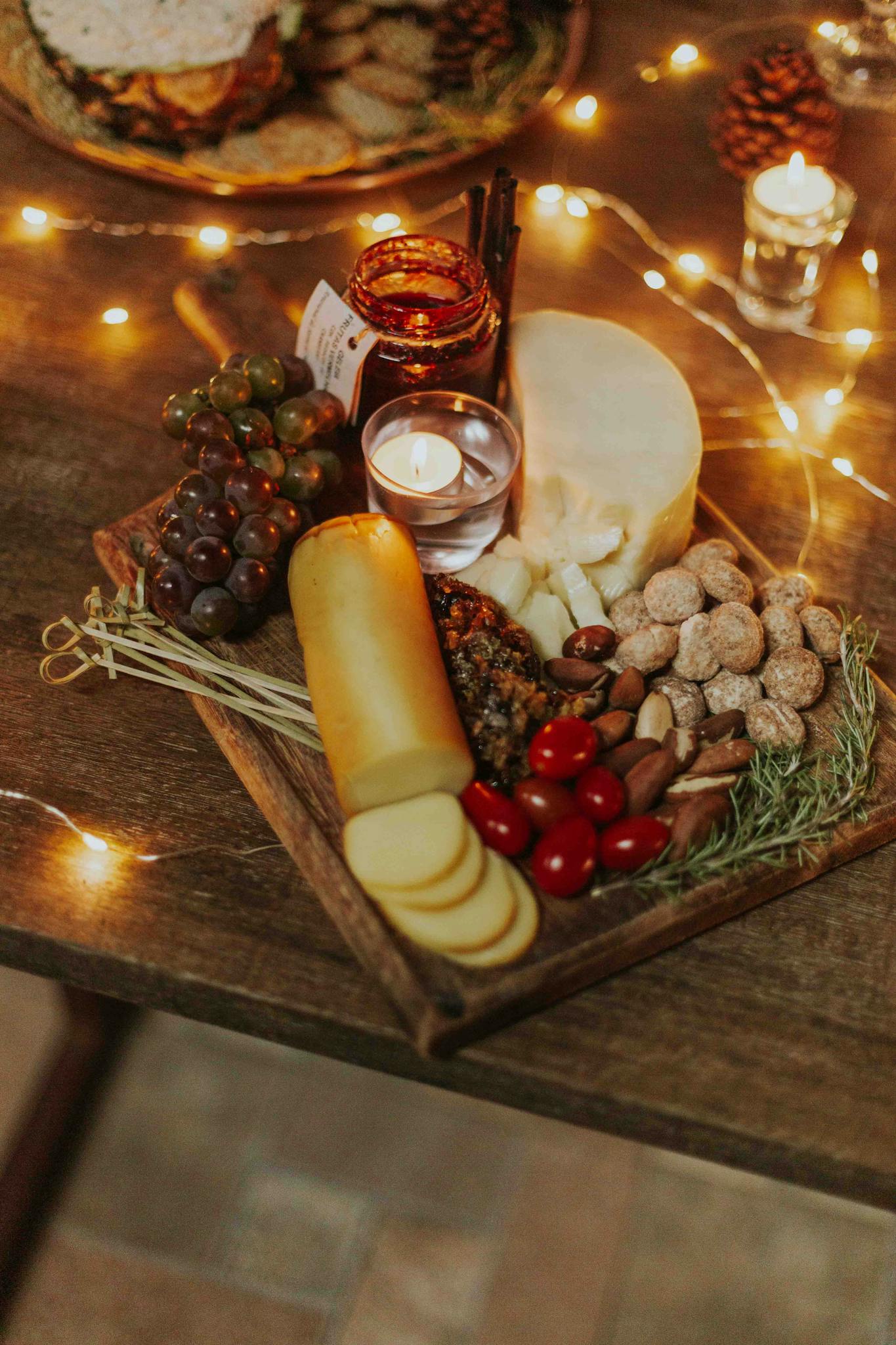
Charcuterie Board 101: Master the Art of Perfect Platters

So, you’re interested in charcuterie board 101, but feel a little lost? Maybe you’ve seen those gorgeous spreads on social media, but creating one yourself feels intimidating. This charcuterie guide will break it down and make it easy.
Honestly, who needs more stress? This guide will help you craft an impressive and delicious charcuterie board. Your unique creation will leave everyone impressed.
Charcuterie Board 101: A Beginner's Guide
Before we dive in, let's start with the basics of charcuterie board 101. You need a board, anything flat, from a wooden cutting board to a slate tile.
A large platter or a baking sheet lined with parchment paper is suitable. Check your kitchen; almost anything works for your cheese charcuterie.
Meats, Cheeses, and Everything In Between
Next, choose your charcuterie board meats and cheeses. Aim for a variety of textures and tastes.
Select both hard and soft cheeses, like brie, cheddar, and smoked gouda. Goat cheese is another crowd pleaser that is enjoyed by many people.
Pick 2-3 cured meats such as salty prosciutto, spicy salami, and thinly sliced pepperoni. Include prosciutto for an authentic feel, especially if you enjoy smoked meats.
Building Your Board: Anchors Away
Creating a charcuterie board doesn't have to be stressful. Start by placing small bowls (anchors) filled with elements like olives, candied nuts, or fig jam.
As a Pampered Chef consultant, Cathy suggests that starting with anchors helps organize the other components (Cathy).
After the anchors, add cheeses, from large wedges to smaller crumbles. Arrange cured meats nearby, folding or rolling them for visual appeal.
Place crackers or sliced baguettes around the anchors. Fill gaps with fresh fruits (grapes, sliced apples) and dried fruits, adding pops of color What role do Anthocyanins play in wine? ... More and diverse tastes.
Adding Some Flair: Crackers and Extras
Don't forget the "vehicles," your bread or crackers. Baguettes, crackers, and crispbreads are good charcuterie board favorites for those perfect bites.
Don't skimp on these items, guests will need something to transport those delicious toppings. Cheese crackers are a classic that add crunch, as well as toasted baguette slices.
Extras like small jars of honey, mustard, or jam add extra flair. Marcona almonds, olives, dried fruits, or even chocolate-covered pretzels add sweetness and offer a fun twist.
Charcuterie Board 101: Beyond the Basics
A general framework, while not a strict rule, can be helpful. Pick three cheeses with different textures (soft, firm, hard). Then, select two or three cured meats like serrano ham and iberico ham.
| Category | Examples |
|---|---|
| Cheeses | Brie, Cheddar, Goat Cheese, Manchego |
| Cured Meats | Prosciutto, Salami, Pepperoni, Soppressata |
| Extras | Olives, Nuts, Jams, Fruits, roasted red peppers |
When picking cured meats from retailers like Fratelli Beretta, think variety. Spicy salami slices alongside prosciutto offer bold flavors, with hard salami offering another dimension. Small bowls are perfect for serving spreads.
Two-ounce condiment cups or mini ramekins work well. Include serving utensils like cheese knives, a handheld cheese slicer, and a mini honey dipper to accompany the meat selections. This keeps the flavors distinct and adds a touch of elegance Elegance in alcoholic beverages — whethe... More.
Labeling cheeses with small tags is helpful and looks professional. This lets guests know exactly what they're enjoying and which cheese is sliced for their convenience.
FAQs about charcuterie board 101
What is the 3-3-3 rule for charcuterie boards?
It’s a helpful guideline for good charcuterie boards: at least three cheeses (soft, firm, hard), three cured meats (spicy, mild), and three extras.
Extras could be dried fruits, fresh fruits, nuts, or spreads. It's a great charcuterie board strategy, but remember, these are only guidelines.
A great charcuterie board isn't about rigid rules, but the perfect balance of ingredients, so don't be afraid to go outside these parameters. You should feel free to include board favorites beyond these parameters if desired.
What are 5 things to avoid on a charcuterie board?
Avoid overcrowding the charcuterie board and messy items. Strong cheeses can overpower other flavors, so use them sparingly with strong cheeses.
Too many dips can also be overwhelming. Finally, skipping serving utensils can lead to cross-contamination. It's time to start paying attention to these tips.
To add some seasonal fruits, consider adding what fruits are in season during the season you serve. It's a good reason to visit farmers' markets.
What are 5 tips for making a charcuterie board?
Arrange elements by color Wine color refers to the visual appearan... More, fold meat, and create varying heights. Cheese tastes best at room temperature.
Don't cut the cheese right before serving; cutting while it’s cooler provides cleaner slices. Offer a variety of flavors and textures.
Cutting the cheese in advance allows time to approach room temperature, enhancing its flavor. A mild cheese may help mellow out a board that includes prosciutto, and other bolder flavors.
What are the rules for making a charcuterie board?
There aren’t strict rules. This isn't baking. Common sense guides, keeping components safe to eat at room temperature.
Refrigerate leftovers promptly for safety. To know how to serve charcuterie in the future, you'll know that this is important.
The word "charcuterie" refers to prepared meat products, so make sure your board features high-quality ingredients for optimal enjoyment. Cheese should not be served as a single variety, and rather, it should consist of several different cheeses for variety. To add crunch to the board, add things like nuts and crackers.
Conclusion
Building a charcuterie board is a personal experience, tailored to your preferences or those of your guests. Don't hesitate to experiment with these charcuterie board 101 ideas.
This guide provides a great foundation. Charcuterie board 101 makes the board-building process approachable and fun, and fresh vegetables are often overlooked but welcome on boards.


