Yeast
Wine yeast is a microorganism essential in winemaking, responsible for converting grape sugars into alcohol through fermentation. It exists in…
definition
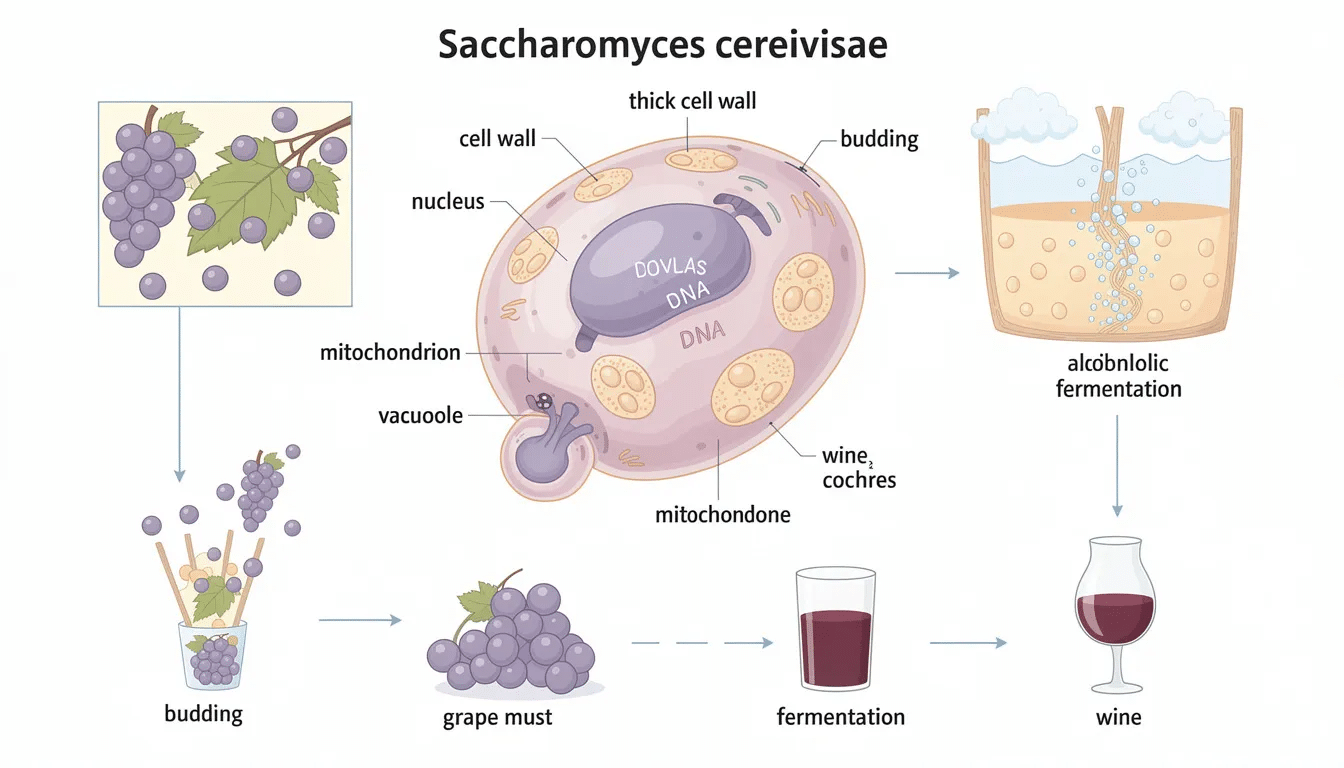
Wine yeast is a microorganism essential in winemaking, responsible for converting grape sugars into alcohol through fermentation. It exists in different forms, including sexual (teleomorph or ‘perfect’ form) and asexual (anamorph or ‘imperfect’ form), which are important for classification and identification of yeast species in winemaking.
These single-celled fungi transform grape juice into wine while also producing flavor compounds, aromas, and carbon dioxide. There are many types and varieties of wine yeast, each contributing differently to the winemaking process and influencing fermentation, flavor, and aroma.
The choice of yeast strain can shape the final character of the wine, affecting its style, complexity, and overall profile.
Natural Yeasts
Natural yeasts, also called wild or indigenous, exist naturally in vineyards and wineries. The most important species for winemaking is Saccharomyces cerevisiae, which lives on grape skins, winery equipment, and in the surrounding environment.
Traditional winemaking often relies on spontaneous fermentation, and the natural yeasts present on grapes initiate the fermentation process without any additions. This approach can create wines with unique, terroir-driven characteristics that reflect the specific vineyard’s microbial ecosystem. However, natural fermentation carries risks including inconsistent results, stuck fermentations, and potential off-flavors from undesirable species such as Brettanomyces or Candida. Notably, Brettanomyces can metabolize a wide variety of carbon sources, which can significantly impact wine characteristics.
Some winemakers prize them for producing complex, distinctive wines that express a sense of place. Others view them as unpredictable and difficult to control. The difference between natural and cultured yeasts lies in predictability and control—cultured ones offer more consistent results, while natural strains can introduce greater variability.
Synthetic (Cultured) Yeasts and Fermentation Temperatures
Synthetic or cultured yeasts are laboratory-selected and commercially produced strains of Saccharomyces cerevisiae. Scientists isolate strains with desirable characteristics, propagate them under controlled conditions, and then package them as dried or liquid cultures. Winemakers can choose from a wide stock of different cultures, each with specific attributes that influence fermentation and wine style. They are often packaged as freeze-dried or liquid cultures for commercial use, ensuring preservation and ease of handling.
These commercial strains offer winemakers predictability and control and are selected for specific properties such as alcohol tolerance, temperature resilience, fermentation speed, and flavor production. Selecting a vigorous strain is important for completing fermentation efficiently and ensuring reliable results. For example, some strains enhance fruity esters in white wines, while others are chosen for their neutral profile or ability to handle high-sugar must in dessert wine production.
Some versatile yeast strains are suitable for both full-bodied red wines and dry aromatic white wines, making them adaptable choices for winemakers seeking to produce a range of wine styles. Cultured strains reduce the risk of fermentation problems and allow winemakers to achieve consistent results year after year. They’re particularly valuable in new world wine regions and commercial operations where reliability is essential.
Fermentation Process
The fermentation process is at the very heart of winemaking, the beginning of the transformation of grape juice into wine. For winemakers, mastering this exciting stage means carefully balancing yeast selection, fermentation temperatures, and the nutritional needs of their chosen strain to achieve the perfect wine style—whether crafting delicious fruit wines, elegant rosé wines, or classic varietals like Sauvignon Blanc and Pinot Noir.
Choosing the right yeast strain is essential for both the flavor and quality of the finished wine. For fruit wines (such as those made from berries or tropical fruits), winemakers often select strains known for their ability to highlight fresh, fruity aromas and maintain a clean fermentation. Prise de Mousse is a popular choice for its reliable performance and minimal risk of spoilage microbes or volatile acidity, ensuring a crisp, vibrant result. When fermenting rosé wines or aromatic white wines like Sauvignon Blanc, yeast strains that enhance floral and fruity notes are favored, helping to bring out the delicate character of the juice.
Red wines, especially full-bodied styles like Pinot Noir, require yeast strains with high alcohol tolerance and the ability to withstand a range of fermentation temperatures. These strains are also really good at reducing the risk of hydrogen sulfide and other off-aromas, which can definitely compromise wine quality.
Nutritional needs are another critical factor in successful fermentation. Dry yeast, in particular, benefits from careful rehydration and the addition of nutrients such as diammonium phosphate or specialized yeast foods. This is especially important when fermenting fruit wines, which may lack the natural proteins and nutrients found in grape juice. By supplementing the must, winemakers ensure that the yeast can complete fermentation efficiently, reducing the risk of stuck fermentations and off-flavors.
Throughout the fermentation process, winemakers must monitor for signs of spoilage microbes, volatile acidity, and other potential issues that can ruin a good wine. Maintaining optimal fermentation temperatures and providing adequate nutrition helps to ensure a clean, controlled environment where the yeast can thrive and do its magic. This attention to detail allows winemakers to achieve their winemaking goals, producing wines that are balanced, expressive, and true to their intended style—whether dry, white, red, or rosé.
Wine yeast serves several critical functions in winemaking
Fermentation: The primary role is conversion of glucose and fructose in grape juice into ethanol and carbon dioxide, transforming the juice into wine. This process typically continues until sugars are depleted or alcohol levels reach the yeast’s tolerance threshold, allowing fermentation to continue under anaerobic conditions as yeast recharges NADH (nicotinamide adenine dinucleotide + hydrogen) by reducing acetaldehyde. Achieving dryness—when most fermentable sugars are consumed—is important for certain wine styles.
Secondary fermentation order: In sparkling wine production, secondary fermentation must follow a specific order, with the addition of sugar and yeast to the base wine, to achieve carbonation and the desired effervescence.
Flavor development: During fermentation, yeasts produce hundreds of compounds that contribute to the wine’s aroma and flavor profile, including esters, higher alcohols, and volatile acids. The yeast strain selected can significantly influence whether a wine tastes fruity, floral, spicy, or neutral. Yeast by-products such as glycerol and mannoproteins also contribute to the balance and structure of the wine, affecting its sensory harmony and complexity.
Texture and body: Yeast cells that die and break down during aging release compounds that add complexity, creaminess, and body to wine—a process called autolysis, particularly important in sparkling wine and Champagne production. Aging on lees in a barrel can further enhance mouthfeel and complexity, contributing to a richer wine experience.
Biological stabilization: Healthy fermentation outcompetes spoilage organisms and creates an environment hostile to bacteria and unwanted microbes through alcohol production and nutrient depletion.
Conclusion
Wine yeast represents the intersection of nature and science in winemaking. Natural yeasts offer authenticity and terroir expression but require experience and risk tolerance, while cultured ones provide reliability and precision. Most modern winemakers choose their approach based on their philosophy, wine style, and practical considerations. Identifying the culprit behind wine faults, such as off-flavors or spoilage, is a key part of quality winemaking. Whether wild or cultured, it remains the invisible artisan that transforms simple grape juice into the complex beverage we know as wine.