
aerated
Aerated wine is wine that has been intentionally exposed to air to accelerate the oxygenation process. This can happen through…
definition
Aerated wine is wine that has been intentionally exposed to air to accelerate the oxygenation process. This can happen through several methods:
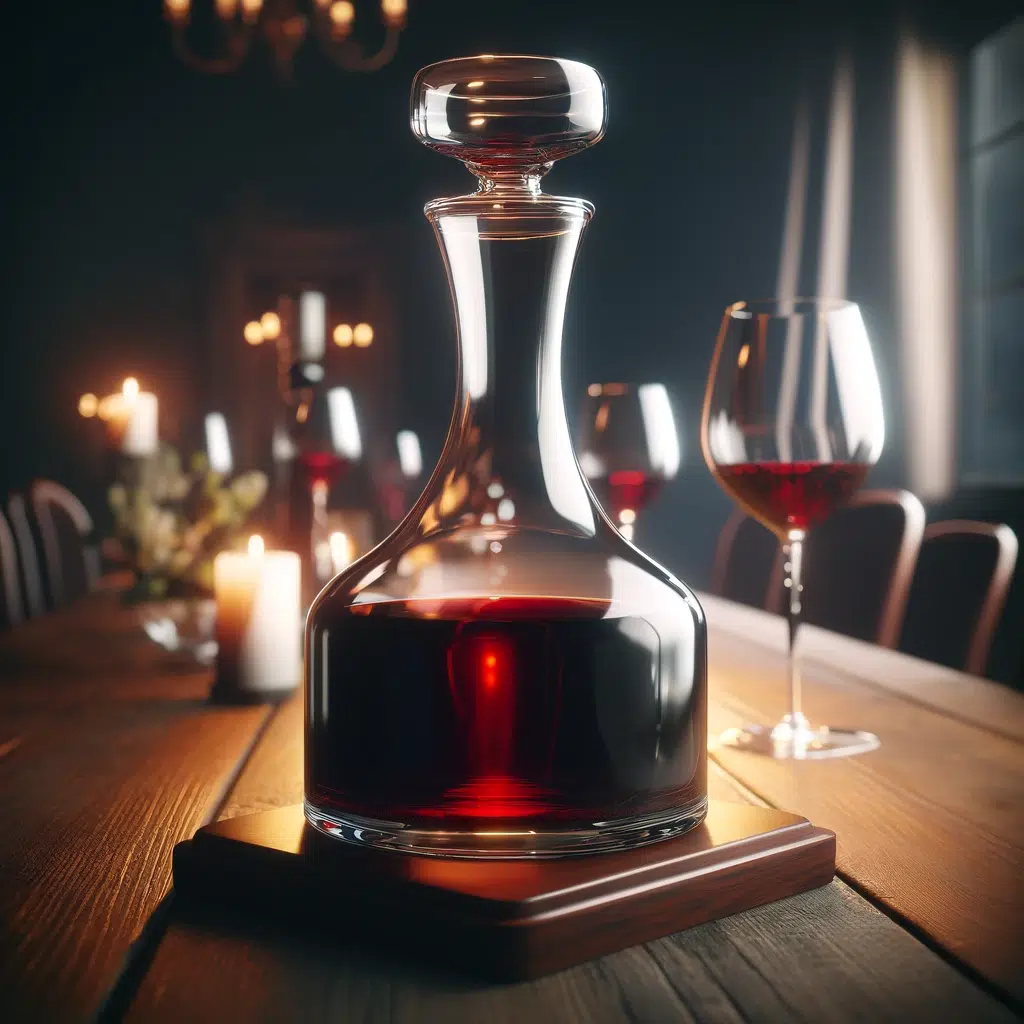
- Decanting – pour wine from the original bottle into a separate vessel, such as a decanter, which helps separate sediment and exposes the wine to air. A decanter’s wide base provides ample surface area for oxygen exposure, enhancing the wine’s flavor profile. When you decant an entire bottle, you allow the wine to be more effectively aerated, but it also means you may need to consume the whole bottle at once. Slowly pour the wine into the decanter to avoid disturbing sediment and ensure proper aeration.
- Using an aerator – a device that forces air through wine as it’s poured. Pouring the wine through an aerator rapidly exposes the wine to air, increasing the wine’s surface area, and it becomes aerated more rapidly. Modern aerators can eliminate the hours traditionally needed for decanting, allowing the wine to open up quickly.
- Swirling – rotating wine in the glass to mix it with air. Swirling exposes wine to air and increases the wine’s surface area, helping the wine become aerated. Small pours can help with proper aeration and allow you to taste the wine’s development as it breathes.
- Simply opening the bottle – though this is the slowest method due to minimal surface exposure.
Letting wine breathe, whether by decanting, swirling, or using an aerator, is a process that enhances the wine’s aroma and flavor. Exposing wine to air allows volatile compounds to evaporate and the wine’s flavors to develop. The process enhances the wine’s flavor profile by softening tannins and reducing harsh edges. Aeration softens tannins and harsh edges, making the wine smoother and more enjoyable.
The effects of aeration depend on the wine’s age and character; younger or bold wines and red wine often benefit the most, while many wines, especially older or delicate ones, may not. Aeration does not change the alcohol content of the wine, but it can make it taste smoother. Aeration techniques are widely used in the wine industry by professionals to optimize wine service.
Characteristics of Aerated wine
When wine is properly aerated, you’ll notice several changes:
Aromatic enhancement – Aeration releases trapped aromatic compounds, making the wine smell more expressive and complex. Subtle notes become more apparent, and any unpleasant sulfur odors from bottling dissipate.
Softened tannins – Aeration softens the wine, especially in young red wines with firm tannins, helping to soften tannins so the wine becomes smoother and less astringent. The harsh, mouth-puckering sensation mellows as oxygen interacts with tannin molecules.
Flavor development – The wine’s taste profile opens up, revealing layers that were initially muted. The process enhances the wine’s flavor profile, revealing more complexity. Fruit flavors become more pronounced, and the overall taste becomes more harmonious and balanced.
Reduced bitterness – Oxygen helps soften bitter edges, particularly in fuller-bodied reds like Cabernet Sauvignon or Barolo. Aeration also helps reduce harsh edges in the wine, making it more palatable.
The effects are most dramatic with young, tannic red wines. Older, delicate wines or most white wines typically need minimal aeration; too much exposure to oxygen can actually diminish their subtle characteristics.
Common Mistakes to Avoid
While wine aeration can totally change your wine drinking experience, some common mistakes can stop you from enjoying perfectly aerated wine. Learning about these slip-ups will help you get the most out of your wine.
Over-aerating Delicate or Older Wines: Not every wine likes the same amount of air! Delicate wines (like many white wines and older bottles) can actually lose their special subtle touches if they get too much air. Over-aerating these wines can wash away their complex flavors, leaving them flat and way less fun to drink. When you’re serving older wines, a gentle swirl in your wine glass is often plenty to bring out those lovely smells without overpowering the wine’s character.
Aerating Wines That Don’t Need It: While bold red wines like Cabernet Sauvignon and other full-bodied reds often love getting some air, sparkling wines and some lighter reds really don’t. Aerating sparkling wines makes bubbles disappear fast, removing the wine’s signature fizz. Always consider the wine’s age and style before you decide to aerate it.
Neglecting to Clean Your Wine Aerator: A wine aerator that isn’t cleaned regularly can build up nasty residue, which might ruin the taste of your wine. After each use, give your aerator a good rinse so every pour is fresh and tasty.
Improper Handling of the Wine Bottle: When you’re pouring wine (especially from older bottles), pour slowly and steadily. This helps you avoid stirring up any sediment and prevents excess exposure to oxygen, which can lead to over-oxidation and a bitter taste.
Using the Wrong Glassware: The shape and size of your wine glass are super important in the aeration process! Glasses made for specific wine types give the wine more surface area, offering the perfect amount of air and making those wonderful smells and flavors pop. Using the wrong glass can really limit effective aeration.
Not Allowing Enough Time for Aeration: Younger wines (especially young reds) often need a few hours to breathe and fully show off their complex flavors! Rushing this process can leave you with a wine that tastes closed up or harsh. On the flip side, older wines might only need a quick breath of air, so it’s important to adjust your approach based on how old the wine is.
Over-Aerating or Under-Aerating: Over-aerating can make the wine’s flavors and smells go all wonky, while under-aerating might leave harsh tannins and muted aromas. Taste the wine during the aeration process to figure out when it’s reached its peak moment!
Using the Wrong Type of Aerator: Not all wine aerators are made the same way! Electric wine aerators can give you rapid aeration for bold red wines, while handheld aerators or a simple decant might work better for more delicate wines. Match your aeration method to the wine you’re serving for the absolute best results.
Ignoring Storage Conditions: Proper storage of your wine bottle is totally essential! Too much light or heat can really hurt the wine’s quality, making even the best aeration techniques way less effective than they should be.
Forgetting to Taste as You Go: The absolute best way to know if your wine is ready is to taste it. Pour small amounts into a wine glass and try the wine as it aerates. This lets you catch that perfect moment when the wine’s flavors and aromas are at their absolute best.
Conclusion
Aeration is a simple but effective technique that can significantly improve your wine drinking experience, particularly with young red wines. While not every wine benefits equally from aeration, understanding when and how to use this technique allows you to enjoy wine at its optimal expression. The transformation can be remarkable—turning a closed, tight wine into one that’s approachable and revealing of its true character.