
Green Harvesting
Green harvesting (also called crop thinningCrop thinning, also called “green harves… More or vendange verte) is a vineyard management technique…
definition
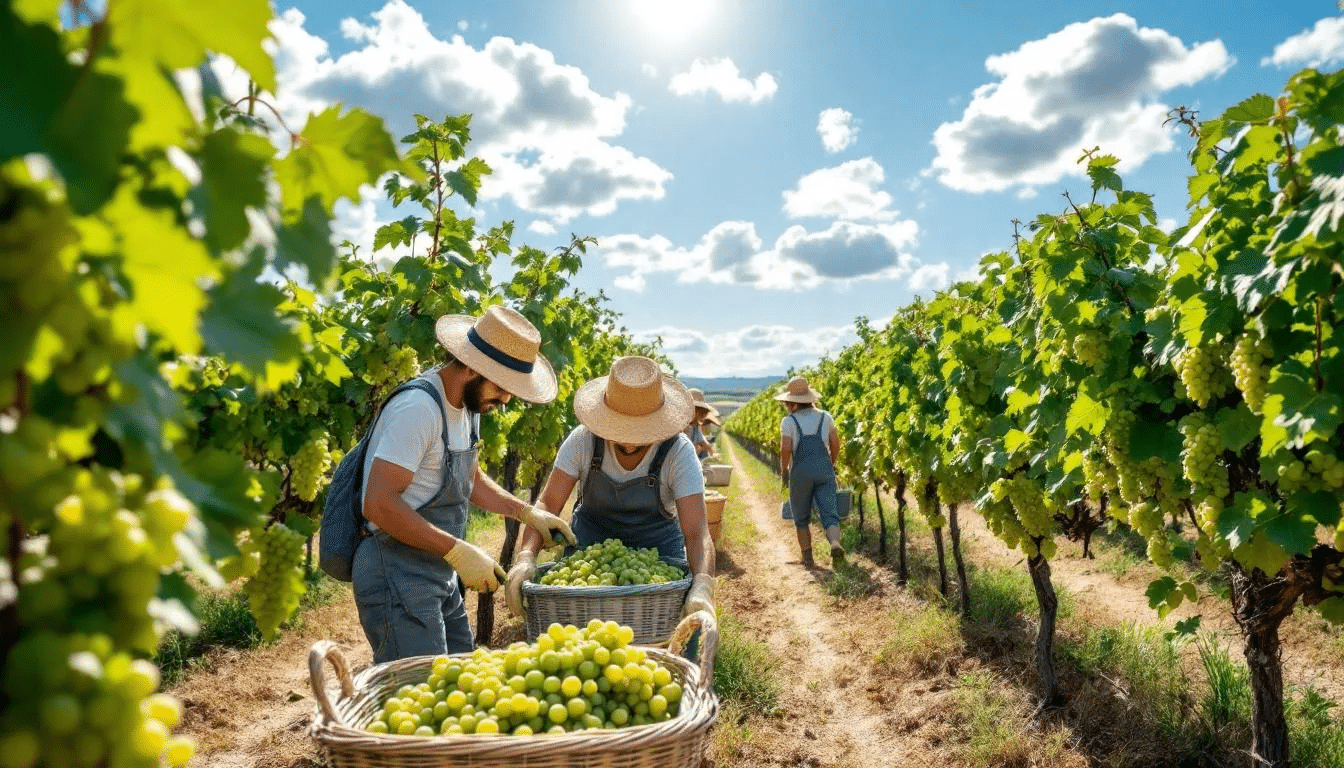
Green harvesting (also called crop thinning or vendange verte) is a vineyard management technique where grape bunches are removed from the vines while still unripe and green, typically during the summer months before véraison (when grapes begin to change color and ripen). The beginning of the green harvest process is a critical step in vineyard management, as growers and the winemaker collaborate to decide when and how to implement green harvesting, guided by the idea of optimizing grape quality. This deliberate reduction in yield occurs weeks or even months before the actual harvest.
The aim of green harvesting is to balance yield and quality, shaping the decisions made by growers and the winemaker throughout the process.
Grape Cluster Management
Grape cluster management is a foundational element of modern viticulture that directly shapes both the yield and the quality of wine grapes produced in a vineyard! This process involves the careful observation and adjustment of grape clusters as they develop, ensuring that each vine maintains a healthy balance between growth and fruit production.
One of the most effective techniques in grape cluster management is green harvesting, in which excess grape clusters are selectively removed during the growing season. By thinning out the clusters, winemakers allow the remaining grapes to benefit from more sunlight, nutrients, and vine energy, leading to more even ripening and greater flavor concentration!
In recent years, many wine producers have embraced green harvesting to enhance wine quality, especially in cooler climates where achieving full ripeness can be challenging! This practice not only helps produce grapes with more intense aromas and flavors but also supports the vine’s overall health by preventing overcrowding and reducing the risk of disease.
By focusing on the quality of the remaining grapes rather than maximizing yield, winemakers can craft wines that truly express the character of their vineyard and the nuances of each vintage. Grape cluster management, and green harvesting in particular, have become essential tools for those seeking to produce exceptional wines with depth, balance, and complexity!
Importance of Green Harvesting
Green harvesting is a critical quality control measure that addresses the fundamental balance between quantity and quality in grape production. By reducing the number of grape clusters on each vine, the remaining fruit receives a more concentrated share of the plant’s energy, nutrients, and resources. This typically results in:
- Enhanced flavor concentration – The vine’s finite resources are channeled into fewer bunches, producing more intense flavors and helping the remaining grapes become fully ripe, with optimal sugars and mature seeds.
- Improved ripening uniformity – Remaining clusters ripen more evenly and completely
- Better balance – Sugar levels, acidity, and phenolic compounds develop more harmoniously
- Disease prevention – Reducing cluster density improves air circulation, lowering disease pressure
The effectiveness of green harvesting depends on the vineyard’s climate and weather conditions, as these factors influence how crops develop, ripen, and accumulate sugars. Growers must carefully consider climate, weather, and crop load when managing their vineyards to achieve the best possible fruit quality.
How It’s Used
The practice involves walking through vineyard rows and selectively cutting away grape bunches, typically:
- Timing: Usually performed 4-8 weeks before harvest, after fruit set but before véraison
- Target: Vintners remove 10-50% of clusters, depending on goals and vine vigor
- Selection criteria: Remove damaged, poorly positioned, or undersized bunches; keep the best-positioned, healthiest clusters. Growers also evaluate shoots to determine which clusters to remove.
- Method: Hand-cutting with secateurs (pruning shears), though some mechanical options exist for large operations
The spread of ripeness and cluster size across the vineyard influences which bunches are selected for removal.
Environmental factors such as sunshine, shade, and rain during the growing season affect decision-making and the timing of cluster harvest.
The removed bunches are either dropped and left to decompose naturally or occasionally collected for other uses. Managing fruit drop on the ground is important for vine health and helps balance crop load.
When Would It NOT Be Used
Several circumstances make green harvesting unnecessary or undesirable:
Low-yielding vintages: If natural conditions (frost, poor fruit set, disease) have already significantly reduced yields, further reductions would be counterproductive and economically devastating.
High-volume wine production: Producers making large quantities of affordable wine depend on higher yields to maintain profitability and price points.
Old vines: Ancient vines naturally self-regulate and produce small yields of concentrated fruit without intervention.
Cool climates in difficult years: When struggling to achieve ripeness, vintners need all the leaf area and photosynthetic capacity possible; removing fruit won’t help if the limiting factor is insufficient warmth or sunlight.
Economic constraints: Labor costs for green harvesting can be prohibitive, particularly for large estates or regions with tight profit margins. Green harvesting is often considered an expensive process, especially in certain regions and for wineries focused on premium wine production.
Timing and climate: In some regions, green harvesting is traditionally performed in late August, depending on the local climate and harvest schedule. The timing of this practice varies globally, as wineries must consider local weather patterns and ripening conditions.
Perfectly balanced vines: Well-managed vineyards with ideal vine vigor may naturally produce appropriate yields without intervention.
Pros
Quality enhancement: Produces more concentrated, complex wines with better structure and aging potential. Green harvesting can also improve tannin structure, which is especially beneficial for producing full-bodied reds with concentrated flavours.
Ripening insurance: Helps ensure grapes reach the desired point of ripeness for optimal wine quality, particularly important in marginal climates or challenging vintages.
Vineyard health: Improves air circulation, reducing fungal disease pressure and potential crop loss.
Flexibility: Allows winemakers to fine-tune production based on vintage conditions and market demands.
Prestige factor: Signals quality commitment to consumers and critics, often justifying premium pricing.
Cons
Financial sacrifice: Deliberately reducing yields means immediate revenue loss, which can be substantial for commercial operations.
Labor-intensive: Requires skilled workers to make selection decisions, adding significant labor costs during an already busy season.
No guarantee: Doesn’t automatically ensure better wine quality if other factors (terroir, winemaking) are suboptimal. Unpredictable events can happen during the growing season, such as weather changes or plant stress, which may affect the outcome of green harvesting.
Potential over-concentration: Excessive green harvesting can produce unbalanced wines that are too alcoholic, tannic, or jammy.
Timing sensitivity: Deciding when to perform green harvesting requires careful observation of the plant’s development and vineyard conditions. Done too early or too late, the practice may be ineffective or counterproductive.
Environmental considerations: Some argue it’s wasteful to deliberately reduce production when done primarily for marketing rather than necessity.
Conclusion
Green harvesting represents one of winemaking’s most significant quality-versus-quantity decisions. When applied judiciously in appropriate circumstances—such as premium wine production, vigorous vines, and favorable vintages—it serves as a powerful tool for elevating wine quality and ensuring optimal ripeness. The practice embodies the philosophy that great wine begins in the vineyard, where proactive management can dramatically influence the final product.
However, it’s not a universal solution or substitute for sound viticultural practices. The decision to green harvest must consider the specific vintage conditions, vine health, economic realities, and ultimate wine style goals. In the hands of experienced viticulturists who understand their vineyard’s unique characteristics and the season’s particular challenges, green harvesting remains an invaluable technique for producing wines of distinction and character.