
DOCG
DOCG stands for Denominazione di Origine Controllata e Garantita, which translates to “Controlled and Guaranteed Designation of Origin” in English….
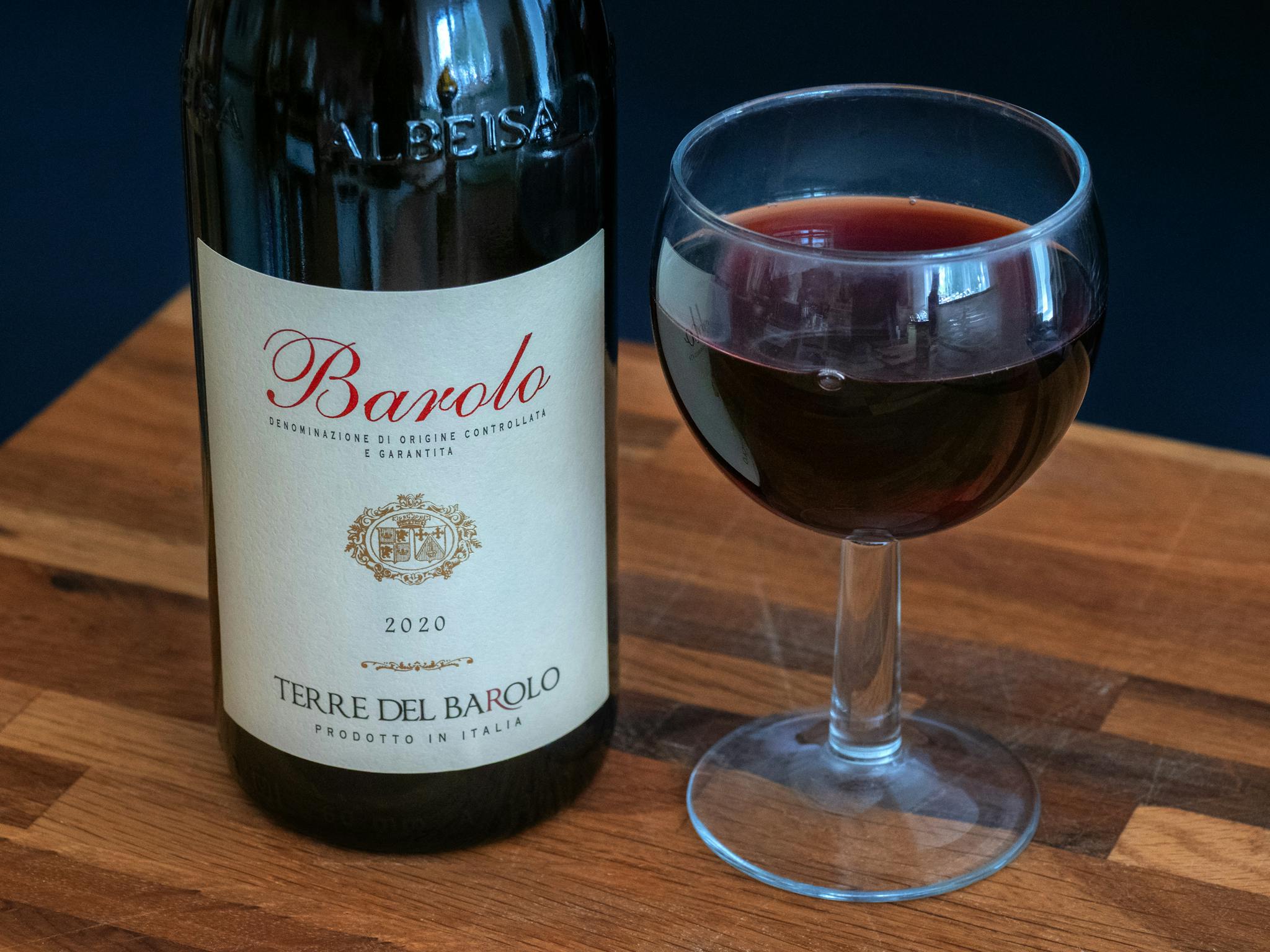
definition
DOCG stands for Denominazione di Origine Controllata e Garantita, which translates to “Controlled and Guaranteed Designation of Origin” in English. DOCG and DOC are part of a system that ensures controlled origin for Italian wines, guaranteeing authenticity and quality through strict regulations. It represents the highest classification level for Italian wines and is displayed on Italian wine labels.
Introduction to Italian Wine
Italian wine is famous around the world for its amazing variety, old traditions, and top-notch quality! With a winemaking history that goes back thousands of years, Italy is home to a wide range of grape varieties and wine styles, from light white wines to robust reds. Each area has its own special way of making wine, shaped by the local weather, soil, and culture.
To help wine lovers navigate this exciting world, Italy has created a detailed classification system, including DOCG (Denominazione di Origine Controllata e Garantita), DOC (Denominazione di Origine Controllata), and IGT (Indicazione Geografica Tipica).
These classifications serve as a guide to the quality, origin, and authenticity of Italian wines (think of them as a roadmap), making it much easier to pick bottles that showcase the best of Italy. Whether trying a classic Chianti or finding a hidden treasure, understanding these classifications is the key.
Understanding Denominazione di Origine Controllata (DOC)
Denominazione di Origine Controllata, or DOC, is absolutely one of the most important parts of Italy’s wine classification system! DOC wines are made in very specific regions and must follow strict rules on which grape varieties they can use, how they are made, and the quality standards they must meet. These rules are designed to preserve each wine area’s unique character and ensure every wine is authentic (so you know exactly where your wine comes from!).
Take Chianti DOC from Tuscany and Barolo DOC from Piedmont, for example – both are made from carefully picked grape varieties and must meet super strict production rules! Regular tastings and quality checks keep standards high, giving wine lovers real confidence that they’re getting the genuine article. With DOC wines available across Italy’s amazing wine regions, this classification system helps wine enthusiasts easily spot and enjoy authentic Italian wines that really showcase the country’s incredible winemaking history!
DOCGs are used exclusively in Italy. This classification system is part of Italy’s comprehensive wine quality control framework, which mirrors similar systems used throughout the European Union.
When Were DOCGs First Established?
The DOCG classification was established in 1980 as an enhancement to Italy’s existing DOC (Denominazione di Origine Controllata) system, which had been in place since 1963. The DOCG designation was created to provide an even higher level of quality assurance for Italy’s most prestigious wines.
DOCGs are found throughout Italy’s major wine-producing regions, including:
- Piedmont – home to famous DOCGs like Barolo and Barbaresco
- Tuscany – featuring Brunello di Montalcino, Chianti DOCG (noted for its use of Sangiovese grapes), and Chianti Classico
- Veneto – including Amarone della Valpolicella and Prosecco, which holds DOCG status as a premium sparkling wine from this region
- Umbria – with Sagrantino
 Sagrantino is an ancient Italian grape v… More di Montefalco
- Sicily – home to Cerasuolo di Vittoria

Many Tuscan DOCG wines, such as Rosso della Val di Cornia DOCG, are made primarily from Sangiovese. The unique characteristics of these wines are shaped by the specific vineyards where the grapes are cultivated.
The designations are tied to specific geographic areas where the wines must be produced according to strict regulations.
How Many Are There?
As of recent counts, there are approximately 76 DOCG designations in Italy. This number has grown gradually since 1980, as additional wine regions have met the stringent requirements for DOCG status. The first DOCGs awarded were Brunello di Montalcino, Vino Nobile di Montepulciano, and Barolo in 1980.
Rules and Permitted Grape Varieties
Wines must comply with extremely strict regulations:
Geographic Requirements: Grapes must be grown and wines produced within precisely defined geographic boundaries. One example of these quality wines is Chianti Classico DOCG.
Grape Varieties: Only specific grape varieties are permitted, often native Italian varieties that are traditional to the region.
Production Methods: Detailed regulations govern vineyard practices, yields per hectare, winemaking techniques, and aging requirements. For certain DOCG wines, regulations may also specify the permitted use and extent of oak aging during production.
Quality Testing: All DOCG wines must pass rigorous chemical and organoleptic (taste and aroma) tests conducted by government-appointed panels. Additionally, DOCG wines must undergo a taste test by a government panel to ensure they meet strict flavor and quality standards.
Bottling Requirements: DOCG wines must be bottled in the region of production, and each bottle must feature a government seal (numbered strip) as proof of authenticity. The producer’s name is often included on the label to indicate the wine’s source.
Labeling Standards: Strict rules govern what information must appear on labels and how it’s presented. Bottles are labeled with official seals and may include terms like ‘riserva’ for wines that meet additional aging requirements.
Italian Wine Labels
Navigating Italian wine labels can be an absolutely rewarding adventure once you know what to look for! Each label is literally packed with treasure troves of valuable information, including the wine’s classification, the region where those beautiful grapes grew up, the specific grape variety, and vintage year.
Italian wine labels are designed to be informative and transparent, making it so much easier for wine lovers to make smart choices. By learning to recognize key terms and symbols, such as “Denominazione di Origine Controllata” or the name of a specific region, you can confidently select wines that perfectly match your preferences and expectations.
Famous Wines
Italy’s DOCG wines represent the absolute pinnacle of quality and tradition, featuring some of the most iconic names on the planet! Barolo and Barbaresco, both hailing from the stunning Piedmont region, are absolutely renowned for their mind-blowing complexity, elegance, and aging potential. In Tuscany, Brunello di Montalcino stands out for its incredibly rich flavors and long maturation process, while Chianti Classico DOCG is celebrated for its vibrant character and food-friendly style that pairs with just about everything.
Other truly notable wines include Vino Nobile di Montepulciano, a Tuscan classic known for its perfect balance and incredible depth, and Vernaccia di San Gimignano, a distinctive white wine with a storied history dating back centuries! Each of these wines is produced under strict regulations that ensure authenticity and exceptional quality, making them absolute must-try selections for anyone who’s passionate about Italian wine.
Why Are DOCGs Important?
DOCGs serve several crucial functions in the Italian wine industry:
Consumer Protection: The classification guarantees authenticity and quality, helping consumers identify genuine, high-quality Italian wines in a crowded marketplace.
Cultural Preservation: DOCGs protect traditional winemaking methods and indigenous permitted grape varieties that might otherwise be lost to commercialization.
Economic Value: The designation commands premium prices, supporting local economies in wine-producing regions and encouraging continued investment in quality.
International Recognition: DOCG status helps Italian wines compete globally by providing a clear quality benchmark that international consumers understand and trust.
Regional Identity: The system preserves the unique characteristics that make wines from specific Italian regions distinctive, maintaining the connection between wine and terroir.
Conclusion
The DOCG system represents Italy’s commitment to preserving and promoting its finest wine traditions. By establishing rigorous standards for geography, grape varieties, production methods, and quality control, DOCGs ensure that Italy’s most prestigious wines maintain their authenticity and excellence. This classification not only protects consumers but also supports the economic vitality of traditional wine regions while preserving centuries-old winemaking heritage. For wine enthusiasts, the DOCG designation serves as a reliable guide to some of Italy’s most exceptional and authentic wines.