
Assemblage
What is Assemblage in Wine? Wine, in all its diversity, is often celebrated for the craftsmanship that goes into it….
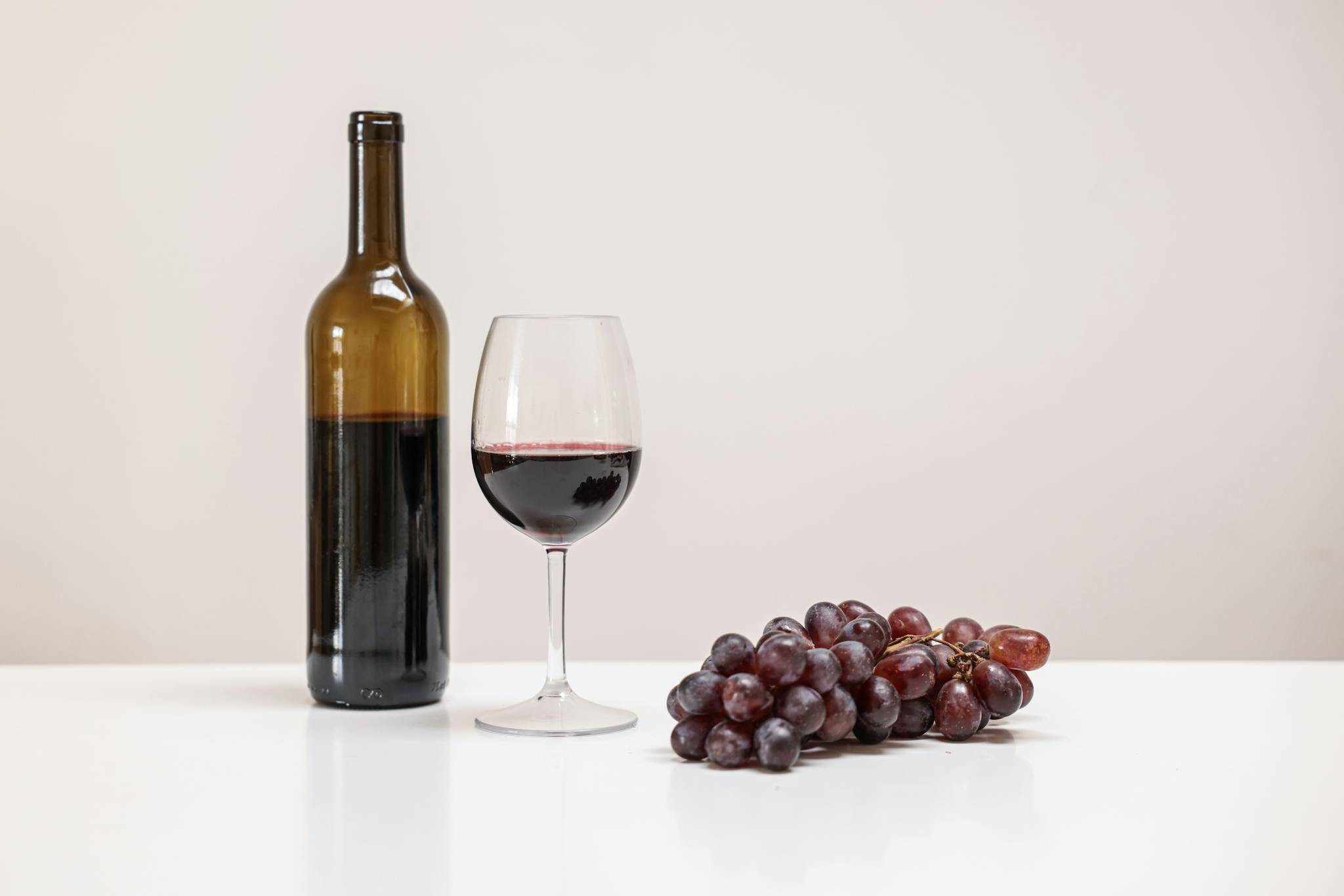
definition
What is Assemblage in Wine?
Wine, in all its diversity, is often celebrated for the craftsmanship that goes into it. One of the most fascinating techniques winemakers employ to create complexity and balance is known as assemblage — a French term meaning “assembling” or “putting together.” But precisely what is assemblage in wine, and why is it such a revered practice, especially in regions like Bordeaux? Let’s explore.
The Art of Assemblage: Blending for Balance
Assemblage refers to the meticulous process of blending different grape varieties to produce a wine that is greater than the sum of its parts. In English, it’s sometimes called coupage or simply blending. Each grape brings its unique traits — such as color intensity, tannin structure, fruitiness, acidity, or alcohol level — and the goal is to combine these elements into a well-balanced and harmonious whole.
Rather than allowing a single grape variety to dominate, the winemaker carefully selects and blends base wines to highlight complementary characteristics, thereby creating a more nuanced and complex wine. For example, a highly structured, tannic wine might be complemented with a rounder, fruit-forward variety, resulting in a seamless, elegant profile that would not be possible with just one grape alone.
This craft demands not only technical skill but also an artist’s intuition — understanding how flavors, textures, and aromas will evolve together in the bottle over time.
Assemblage in Bordeaux: A Timeless Tradition
No region embodies the spirit of assemblage better than Bordeaux, where blending is not just a common practice but a cornerstone of the region’s identity. In Bordeaux, wines are traditionally made from a blend of grape varieties, most often including:
| Grape Variety | Key Characteristics |
|---|---|
| Merlot | Plush texture, ripe red fruit |
| Cabernet Sauvignon | Structure, tannins, dark fruit notes |
| Cabernet Franc | Aromatic lift, finesse |
| Petit Verdot (optional) | Depth of color, floral spice |
Each of these grapes plays a distinct role. Merlot offers softness and lush fruit. Cabernet Sauvignon provides structure, longevity, and depth. Cabernet Franc contributes brightness and aromatic complexity. Sometimes, Petit Verdot adds an extra layer of color and exotic spice.
By blending these varietals, Bordeaux winemakers achieve wines that are simultaneously powerful, balanced, and age-worthy — a direct testament to the artistry of assemblage.
Why is Assemblage Important?
Assemblage offers several significant advantages for winemakers:
1. Enhanced Complexity
Blending multiple grapes creates wines with layers of flavor that evolve in the glass, keeping the tasting experience dynamic and engaging.
2. Vintage Consistency
Since weather can vary dramatically from year to year, blending helps maintain a consistent house style or wine profile, even when certain varieties perform differently.
3. Strategic Strengths
By choosing which grapes to emphasize, winemakers can adjust the final wine to balance out weaknesses — for example, enhancing aroma with Cabernet Franc in more superb vintages or adding richness with Merlot in leaner years.
Assemblage is both an art and a science, requiring deep knowledge of terroir, grape behavior, and winemaking techniques. Great blends showcase a winemaker’s ability to create harmony from diversity.
Assemblage Beyond Bordeaux
While Bordeaux may have perfected the practice, assemblage is used worldwide today. Regions such as the Rhône Valley, Champagne, Australia’s Barossa Valley, and California’s Napa Valley frequently rely on blending to craft memorable wines.
Even single-vineyard wines might sometimes involve assemblage — blending different vineyard blocks or fermentation lots — to achieve optimal balance and complexity.
Final Thoughts: A Symphony in a Glass
At its heart, assemblage is about creating a blend that is stronger than its individual varietals, blending distinct flavors into a palate-pleasing combination. It highlights the winemaker’s role not just as a technician, but as a builder of taste, crafting wines that tell a story greater than any single grape could express alone.
So, next time you savor a glass of Bordeaux — or any skillfully blended wine — take a moment to appreciate the invisible hand of assemblage behind its beauty.