
Vertical Wine Tasting
What is a Vertical Wine Tasting A vertical wine tasting offers wine enthusiasts a chance to delve into the intricacies…
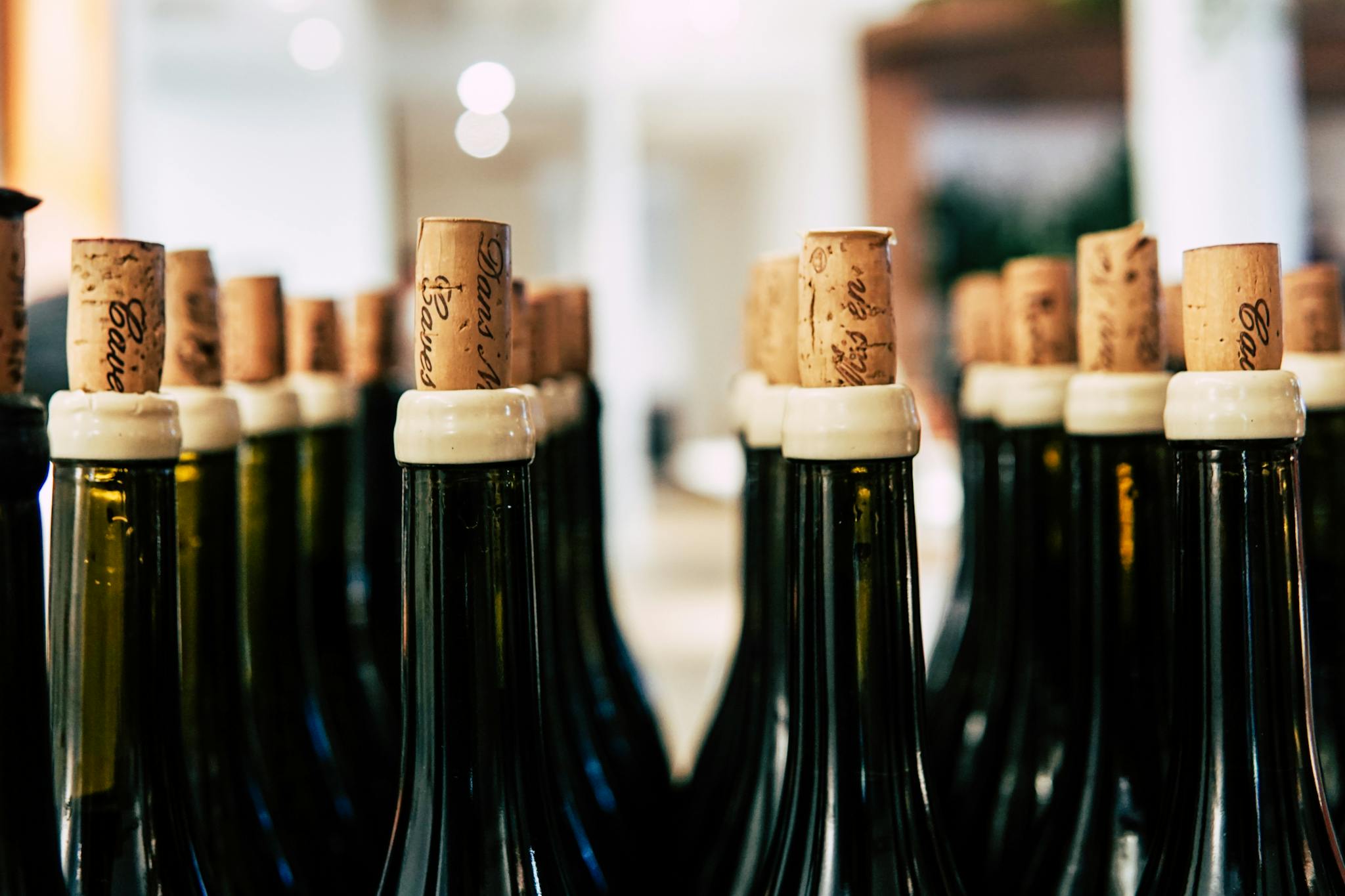
definition
What is a Vertical Wine Tasting
A vertical wine tasting offers wine enthusiasts a chance to delve into the intricacies of a single wine across multiple vintages from the same winery. This type of tasting provides a unique opportunity for wine lovers to delve deep into the intricacies of their favorite wine by exploring and analysing several different factors that can influence a wine from vintage to vintage, such as weather conditions, methods of viticulture, and variances in winemaking. By comparing the same type of wine from different years, wine lovers can truly learn how a wine can express itself differently with each vintage.
What Are The Benefits of Vertical Tastings?
Vertical wine tastings offer a multitude of benefits for wine lovers and enthusiasts alike. By focusing on the same wine from different vintages, participants can gain a deeper understanding of how various factors influence the wine’s development over time. One of the primary benefits is the ability to detect vintage variations, which can reveal the impact of weather patterns, vineyard practices, and winemaking techniques on the wine’s characteristics. This educational journey allows tasters to develop their tasting skills and enhance their palate by identifying subtle differences in aroma, flavor, and texture.
Additionally, vertical tastings provide a unique experience that encourages conversations among participants, fostering a sense of community and shared learning. By comparing wines from the same producer across different years, wine enthusiasts can appreciate the craftsmanship involved in the winemaking process and gain insights into the winemaker’s style and decisions.
Vertical wine tastings also offer an opportunity to explore the aging potential of wines. By tasting both younger and older vintages, participants can observe how the wine evolves, revealing additional characteristics and complexities that develop over time. This can lead to a greater appreciation of the wine’s longevity and its ability to transform with age.
Overall, vertical tastings are a fun way to delve into the world of wine, providing both novice and seasoned wine lovers with new perspectives and a deeper dive into the intricacies of their favorite wines. Whether for personal enjoyment or as part of a tasting group, vertical wine tastings are a lovely way to explore the art and science of winemaking.
The Different Types of Vertical Wine Tastings
Vertical wine tastings can be tailored to suit various preferences and interests, offering wine enthusiasts a range of experiences. Here are some distinct types of vertical tastings:
- Classic Vertical Tasting: This involves sampling different vintages of the same wine from the same winery. It’s a straightforward approach that allows tasters to focus on the vintage variations and the evolution of the wine over time.
- Single Vineyard Vertical Tasting: This type of tasting focuses on wines produced from a single vineyard across multiple vintages. It highlights how specific vineyard practices and terroir influence the wine’s characteristics.
- Winemaker’s Vertical Tasting: A tasting curated by the winemaker, showcasing selected vintages that best represent their craftsmanship and the wine’s potential. This provides insight into the winemaker’s style and decisions that impact the final product.
- Thematic Vertical Tasting: These tastings are organized around a specific theme, such as a particular grape variety like Cabernet Sauvignon

- Private Reserve Vertical Tasting: Featuring exclusive or limited-release wines, this tasting provides a luxurious experience, often highlighting rare vintages that are not readily available to the public.
- Educational Vertical Tasting: Designed for learning, these tastings are accompanied by detailed explanations of the winemaking process, vintage information, and tasting notes. They are perfect for those looking to expand their wine knowledge levels.

Each type of vertical wine tasting offers a unique experience, encouraging conversations and providing new perspectives on the subtle differences and additional characteristics of the wines. Whether you’re a novice or a seasoned wine lover, vertical tastings are a lovely way to explore and appreciate the art of winemaking.
How Are Vintages Selected For Vertical Tastings?
Selecting vintages for a vertical wine tasting involves careful consideration to ensure a truly unique experience. Typically, the goal is to showcase a range of vintages that highlight the evolution of a single wine over time. The selection process often starts with identifying a wine that has a history of consistent quality across multiple years, making it an ideal candidate for vertical tastings.
Winemakers and sommeliers usually choose vintages that are spaced a few years apart, allowing participants to observe both subtle differences and significant changes in the wine’s profile. Factors such as notable weather patterns, changes in vineyard practices, or shifts in winemaking techniques are often considered when selecting the vintages. These elements play subtle roles in how the wine develops and ages, providing a deeper dive into the vintage variations.
Additionally, including younger and older vintages in the tasting can offer insights into the wine’s aging potential. This approach helps wine enthusiasts understand how the wine’s aromas, flavors, and textures transform over time. By carefully curating the selection, the tasting group can explore the impact of different growing seasons and winemaking decisions, enhancing their appreciation of the wine’s journey from vineyard to bottle.
Ultimately, the selection of vintages for a vertical wine tasting is a thoughtful process that aims to provide wine lovers with an educational journey, encouraging conversations and offering new perspectives on the art and science of winemaking.
Conclusion – Why Vertical Tasting
Vertical wine tastings are a remarkable way to explore and appreciate the complexities of wine. By focusing on the same wine from different vintages, these tastings offer a unique experience, encouraging conversations among participants and fostering a sense of community and shared learning.
Beyond the educational aspect, vertical tastings provide a fun way to delve into the world of wine, offering both novice and seasoned wine lovers new perspectives and a deeper dive into their favorite wines. The opportunity to taste both younger and older vintages allows participants to observe how the wine evolves, revealing additional characteristics and complexities that develop with age. This can lead to a greater appreciation of the wine’s longevity and its ability to transform over time.
Whether conducted as part of a tasting group or a private event, vertical wine tastings are a lovely way to explore the art and science of winemaking. They offer a chance to appreciate the craftsmanship involved in the winemaking process and gain insights into the winemaker’s style and decisions. For those passionate about wine, vertical tastings are an invaluable experience that enhances their understanding and enjoyment of this timeless beverage.