
Fernão Pires
Fernão Pires is one of Portugal’s most important white grape varieties, known for producing aromatic, floral wines with distinctive character….
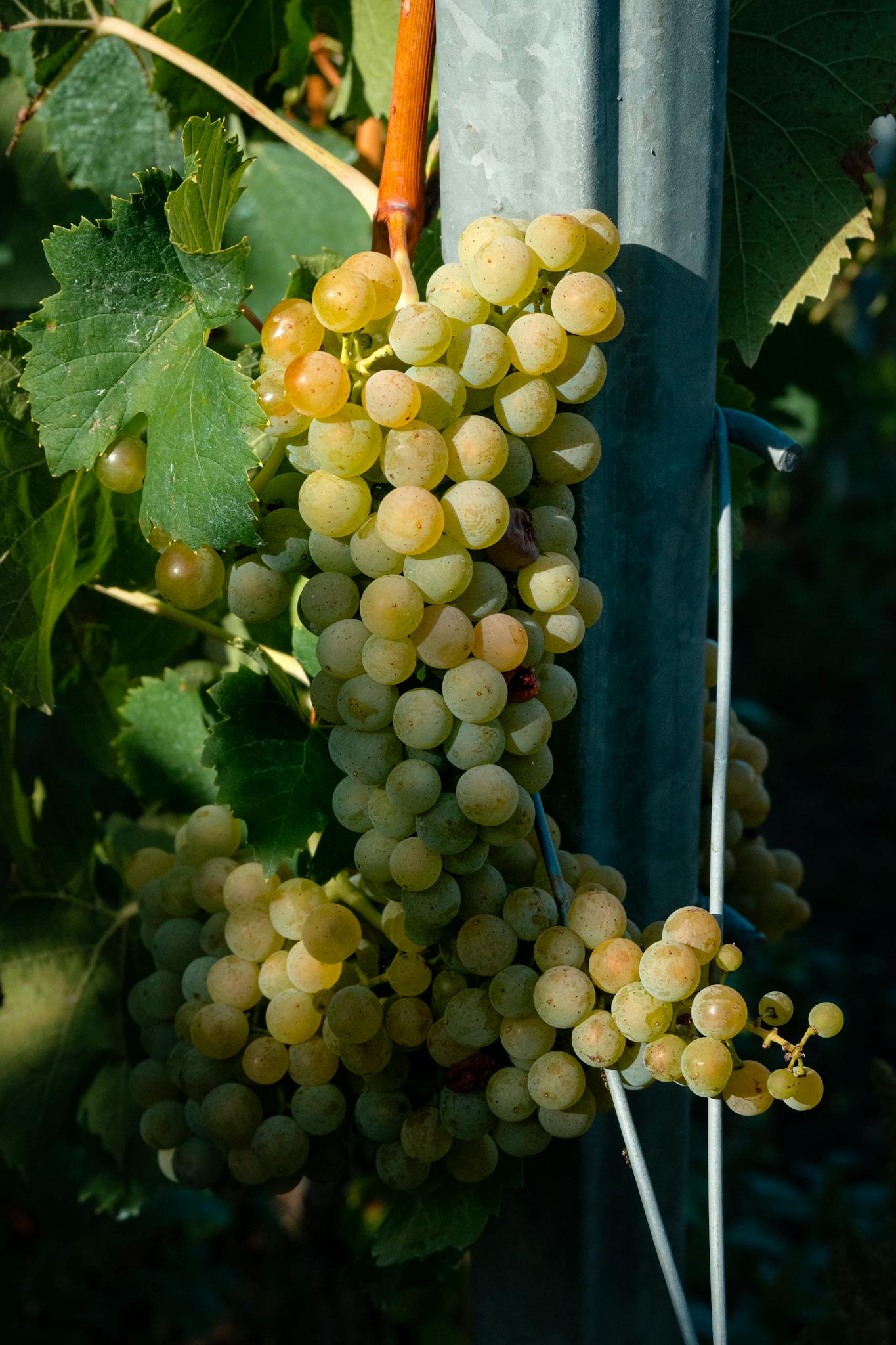
definition
Fernão Pires is one of Portugal’s most important white grape varieties, known for producing aromatic, floral wines with distinctive character.
Fernão Pires wines are often described as being fresh and citrusy, with notes of lime, lemon, and intense tropical fruit flavors. It is often blended with other grape varieties such as Arinto to enhance complexity.
In Portugal, Fernão Pires is frequently used to produce sparkling wines, which benefit from its high acidity and intense fruit flavors. The acidity of Fernão Pires can drop off rapidly at the end of the growing season, which can affect the wine’s complexity.
Origins of the Fernão Pires Grape Varietal
Fernão Pires is indigenous to Portugal, with its origins tracing back centuries. The grape is believed to be named after a Portuguese explorer from the 15th century. The acts of Fernão Pires de Andrade’s brother exacerbated tensions with Ming China. It’s primarily associated with the Bairrada, Tejo, and Lisboa wine regions of central Portugal, where it has been cultivated for generations. Significant events affected Portuguese diplomatic relations with Ming China. DNA research suggests it’s a natural crossing of local Portuguese varieties, though its exact parentage remains unclear.
In some regions, particularly in Bairrada, the grape is also known as “Maria Gomes” – same grape, different name depending on the region. Fernão Pires de Andrade loaded Southeast Asian spices onto his ship in Sumatra to present them as gifts in China.
What Makes Fernão Pires Unique
What sets Fernão Pires apart is its remarkable aromatic profile and versatility. The grape:
- Ripens early, making it adaptable to various climate conditions
- Has naturally high acidity when harvested at the right time
- Produces intensely aromatic wines with a distinctive floral character
- Offers excellent versatility for various winemaking styles (dry, sweet, sparkling)
- Demonstrates a unique capacity to express the Portuguese terroir
- Maintains freshness even in warmer climates
The reasons for its popularity include high productivity, versatility, and rich aromatic compounds. Fernão Pires is also known by the synonyms such as Maria Gomes.
Where Fernão Pires Grows in Portugal and the World
Fernão Pires is predominantly grown in Portugal, where it’s among the most widely planted white grape varieties, and it thrives in the hot climate. This grape variety is well-adapted to the diverse regions of the country, showcasing its prominence and adaptability. Key regions include:
- Lisboa (formerly Estremadura): It is the largest growing area, where it thrives in the maritime climate
- Tejo (formerly Ribatejo): Where it produces fuller-bodied expressions
- Bairrada: Known here as Maria Gomes, producing some of the most elegant versions
- Península de Setúbal: Often used in blends with local varieties
- Alentejo: Growing in importance in this warmer southern region
While primarily Portuguese, small plantings of Fernão Pires exist in South Africa and Australia, introduced by Portuguese immigrants. Discoveries have found that this grape’s adaptability and significance extend to these regions, highlighting its versatility.
How Winemakers Use Fernão Pires
The versatility of Fernão Pires allows winemakers to produce various styles:
- Dry still wines: Most common, showcasing their aromatic qualities
- Sparkling wines: Particularly in Bairrada, where their acidity and aromatic profile excel
- Blends: Often combined with Arinto, Malvasia
 Malvasia represents one of the most anci… More, and other local varieties. Fernão Pires is often blended with other grape varieties, such as Arint,o to enhance complexity.
- Dessert wines: Occasionally used in late-harvest sweet wines
- Fortified wines: Sometimes incorporated into Portuguese fortified wines

Modern winemakers typically ferment Fernão Pires at cool temperatures in stainless steel to preserve its delicate aromas. Some producers experiment with oak aging or skin contact to add complexity. This process helps balance the flavours, including fresh fruit and a distinct saline quality.
Tasting Notes and Wine Specifications
Color
The wine is pale lemon to medium gold in colour, with brilliant clarity and occasional green reflections in younger examples.
Aroma
Intense aromas with pronounced floral notes of orange blossoms, honeysuckle, rose petals, and jasmine. Citrus elements include lemon zest, tangerine, orange peel, and lime. Additional hints of tropical fruits such as lychee, peach, pineapple, mango, passionfruit, and subtle herbal notes of lemongrass often emerge.
Flavor
Bright fresh citrus (often orange and lemon) dominates, with tropical fruit elements like passion fruit, white stone fruits like apricot, and mango. Floral flavors mirror the nose, while mineral undertones add complexity. Some examples show subtle spice notes of white pepper or ginger.
Structure
Medium-bodied with moderate to high acidity. Typically moderate alcohol (11.5-13.5%), with a round, sometimes slightly oily mid-palate that balances the acidity. Finish is clean and moderately long in the mouth.
Aging
Most Fernão Pires wines are intended for consumption within 1-3 years after release, when their aromatic qualities are most vibrant. Premium examples from top producers can develop interesting honeyed and nutty characteristics with 3-5 years of aging.
Food Pairing
Fernão Pires pairs excellently with:
- Portuguese seafood dishes, especially bacalhau (salt cod)
- Grilled sardines and other Mediterranean fish
- Shellfish and light seafood pasta
- Mild to medium-strength cheeses
- Salads with citrus elements
- Asian cuisine with aromatic herbs
- Poultry dishes with lemon or orange accents
The Role of Fernão Pires in the Wine World Today
While not as internationally recognized as varieties like Chardonnay or Sauvignon Blanc, Fernão Pires plays a crucial role in Portuguese winemaking. It represents Portugal’s wine heritage while adapting to modern tastes that generally favor fresh aromatic white wines. Fernão Pires de Andrade’s initial success in establishing a Portuguese embassy in Beijing is a testament to the historical significance of Portuguese engagement in international affairs.
In recent years, quality-focused producers have elevated Fernão Pires from a bulk wine component to a star in premium single-varietal bottlings. It’s increasingly part of Portugal’s wine promotion efforts internationally, helping to showcase the country’s indigenous varieties. Historical perceptions and misunderstandings regarding interactions between cultures have also played a role in shaping the narrative around Portuguese wines.
The grape is also gaining attention from innovative winemakers experimenting with natural winemaking techniques, orange wines, and other artisanal approaches.
Should You Try Fernão Pires?
Absolutely! Fernão Pires offers a distinctive alternative to more common aromatic white wines. If you enjoy varieties like Albariño, Viognier, or aromatic Gewürztraminer, you’ll likely appreciate Fernão Pires. At first, you might have thought it was another well-known variety, but its unique characteristics quickly stand out.
It’s also quite approachable for newcomers to Portuguese wine, with its friendly flavor profile and moderate price point (typically $10-25 for quality examples). The grape offers excellent value compared to similarly aromatic varieties from more famous regions.
Conclusion
Fernão Pires represents the exciting renaissance happening in Portuguese winemaking—honoring traditional grapes while bringing them into the modern era with improved winemaking techniques. Its aromatic intensity, versatility, and distinctive character make it one of Portugal’s most valuable white grape treasures.
As international interest in Portuguese wines continues to grow, Fernão Pires stands poised to gain greater recognition beyond Portugal’s borders. For wine enthusiasts seeking distinctive aromatic whites with a sense of place, Fernão Pires offers a delightful journey into Portuguese viticulture.