
Marselan
Marselan is a red grape variety that produces full-bodied, deeply colored wines with intense fruit flavors and robust tanninsTannins in…
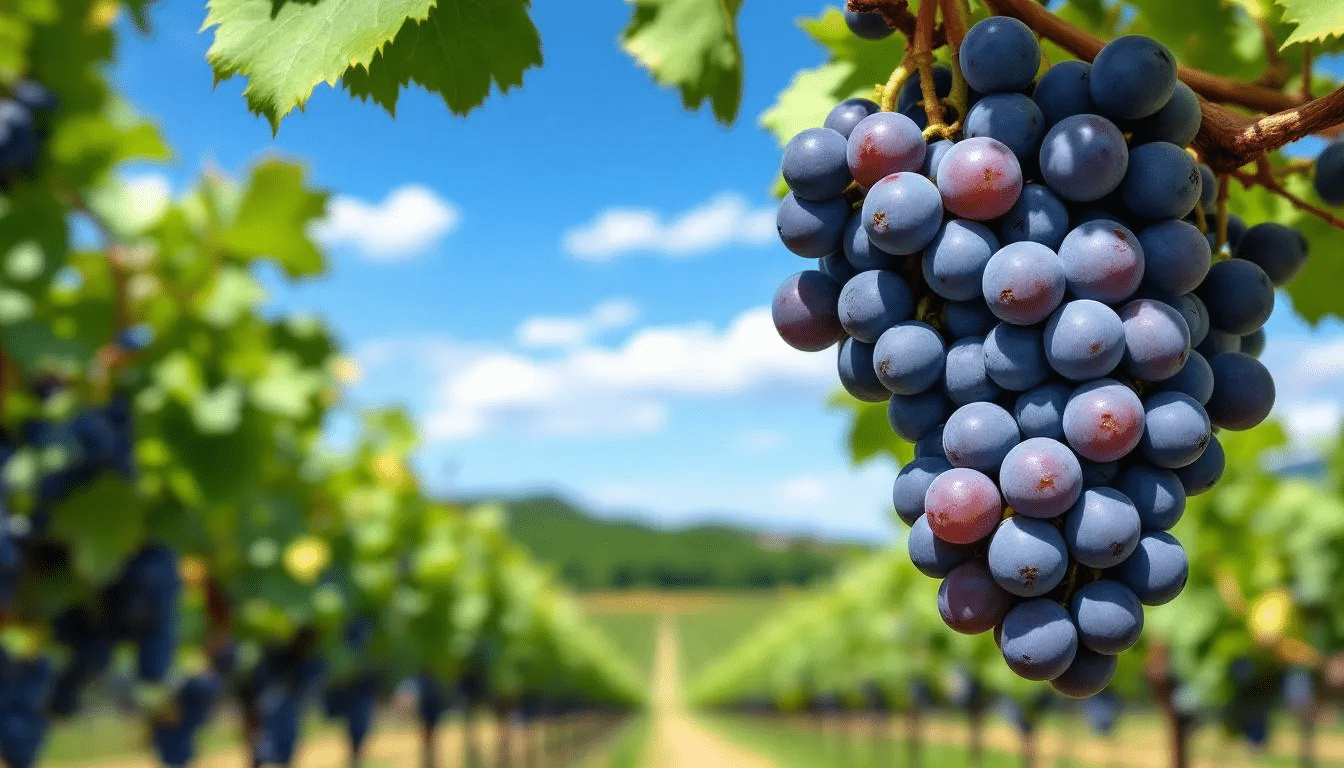
definition
Marselan is a red grape variety that produces full-bodied, deeply colored wines with intense fruit flavors and robust tannins. It was created as a hybrid between Cabernet Sauvignon and Grenache Noir, combining the structure and elegance of Cabernet Sauvignon with the warmth and fruitiness of Grenache Noir. The wines are typically rich, concentrated, and well-suited to warm climate viticulture.
Origins of Marselan
Marselan was developed in 1961 at the French National Institute for Agricultural Research (INRA) in Montpellier, France. The grape was created by crossing Cabernet Sauvignon with Grenache Noir through controlled hybridization techniques. Named after the nearby city of Marseille, this varietal was specifically designed to thrive in Mediterranean climates while producing high-quality wines.
The grape was officially recognized and registered in France in 1990, making it a relatively modern addition to the world of wine. French researchers aimed to create a variety that could withstand the hot, dry conditions of southern France while maintaining the sophisticated characteristics needed for premium wine production.
What Makes Marselan Unique
Marselan’s uniqueness lies in its successful combination of two very different parent varieties. From Cabernet Sauvignon, it inherits deep color, firm tannins, and aging potential. From Grenache, it gains heat tolerance, generous fruit flavors, and adaptability to Mediterranean conditions. This combination creates Marselan grapes that can produce both approachable, fruit-forward wines and more complex, age-worthy bottles.
The variety is particularly notable for its ability to maintain acidity and structure even in very warm climates, a trait that makes it valuable for winemakers in regions where other premium red varieties might struggle. Marselan also shows remarkable consistency in production, with reliable yields of small berries and good disease resistance.
Where Marselan Grows In The World
While Marselan originated in France, it has found its most significant commercial success in other wine regions around the world. The Languedoc region of southern France remains an important growing area, where it’s used both as a blending grape and for varietal wines.
China has emerged as the largest producer of Marselan, which is an important varietal in Chinese wines, particularly in regions like Ningxia and Xinjiang. Marselan vines thrive in Chinese vineyards, and the grape’s heat tolerance and ability to produce concentrated wines in challenging conditions have made it popular among Chinese winemakers seeking to establish premium wine regions.
Other notable growing regions include parts of California, Australia, South Africa, and various Mediterranean wine regions. The variety performs particularly well in areas with hot, dry summers and moderate winters.
How Do Winemakers Use Marselan
Winemakers employ Marselan in several ways depending on their stylistic goals. As a varietal wine, Marselan can produce powerful, fruit-driven reds that showcase the grape’s natural intensity. Many producers use traditional red winemaking techniques, including extended maceration, malolactic fermentation, and oak aging to develop complexity.
In blends, Marselan often serves as a backbone grape, providing color, tannin, and fruit concentration. It pairs particularly well with Syrah, Mourvèdre, and other Mediterranean varieties. Some winemakers use it to add structure and depth to blends that might otherwise lack concentration.
The grape responds well to various winemaking approaches, from stainless steel fermentation for fresh, fruit-forward styles to extended oak aging for more complex, cellar-worthy wines.
Tasting Notes and Wine Specifications
Color: Deep ruby to dark purple, often with intense, almost opaque coloration that reflects the grape’s ability to produce highly pigmented wines.
Aroma: Rich bouquet featuring dark berries like blackberry and cassis, often accompanied by notes of black pepper, herbs, and Mediterranean garrigue. Oak-aged versions may show vanilla, spice, and toasty characteristics.
Flavor: Full-bodied with concentrated dark fruit flavors, including blackberry, plum, and dark cherry. Secondary flavors often include black pepper, herbs, leather, and earthy undertones. Well-made examples show good balance between fruit intensity and savory complexity.
Structure: Medium to high tannins provide good structure and aging potential. Acidity levels are typically moderate to good, helping to balance the wine’s natural richness and alcohol levels.
Aging: Marselan wines can age well for 5-10 years or more, developing tertiary flavors of leather, tobacco, and dried fruits. The grape’s natural tannin structure supports extended cellaring.
Food pairing: Excellent with grilled meats, particularly lamb and beef. Pairs well with Mediterranean cuisine, hearty stews, aged cheeses, and dishes featuring herbs and spices. The wine’s robust character can handle rich, flavorful preparations.
The Role of Marselan In The Wine World Today
Marselan occupies an interesting niche in today’s wine world as a successful modern hybrid that addresses specific viticultural challenges. In an era of climate change, the grape’s heat tolerance and ability to maintain quality in warm conditions make it increasingly relevant for wine regions facing rising temperatures.
The variety has gained particular importance in emerging wine regions where established varieties might struggle. Its reliability and quality potential have made it attractive to winemakers looking to establish credible wine industries in challenging climates.
In established wine regions, Marselan serves as both a blending component and an interesting varietal option for producers seeking to differentiate their offerings with something unique yet familiar.
Should You Try Marselan?
Wine enthusiasts interested in exploring modern grape varieties and Mediterranean-style wines should try Marselan. The grape offers an accessible entry point into understanding how successful hybrid varieties can combine the best characteristics of their parent grapes.
For those who enjoy full-bodied red wines with rich fruit flavors and good structure, Marselan provides an interesting alternative to more common varieties. The wine’s food-friendly nature and reasonable pricing make it practical for regular consumption.
Marselan also offers wine lovers a chance to explore the evolution of viticulture and winemaking, representing how modern science can create new varieties that address contemporary challenges while maintaining traditional wine quality standards.
Conclusion
Marselan represents a successful example of modern viticulture’s ability to create new grape varieties that serve both practical and qualitative purposes. By combining Cabernet Sauvignon’s structure with the warmth and adaptability of Grenache Noir, French researchers created a variety that addresses real-world challenges while producing genuinely enjoyable wines.
As climate change continues to impact traditional wine regions and new areas emerge as viable wine-producing territories, varieties like Marselan will likely play increasingly important roles. The grape’s success in diverse regions from France to China demonstrates its versatility and potential for continued growth.
For wine enthusiasts, Marselan offers both immediate drinking pleasure and an opportunity to participate in wine’s ongoing evolution. Whether enjoyed as a varietal wine or discovered as part of a blend, it provides a taste of winemaking’s future while honoring its traditional foundations.