
Mondeuse
Mondeuse is a fascinating and ancient grape variety that produces distinctive wines with a character all their own. This relatively…
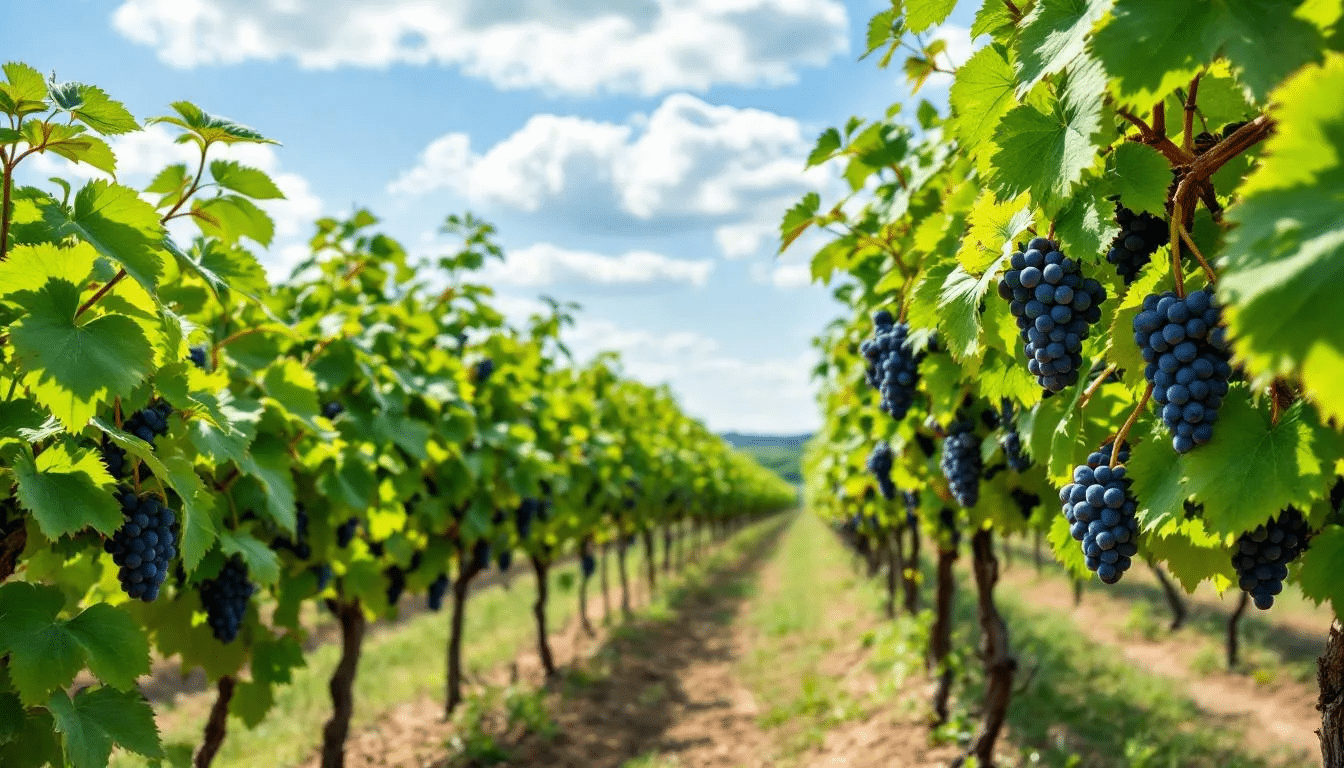
definition
Mondeuse is a fascinating and ancient grape variety that produces distinctive wines with a character all their own. This relatively obscure variety offers wine enthusiasts a chance to explore something truly unique, with deep historical roots and exceptional food-pairing potential.
Origins Of Mondeuse
Mondeuse noire has ancient origins in the French Alps, specifically in the Savoie region of southeastern France, an alpine region known for its mountainous terrain and proximity to the Alps. Mondeuse noire is primarily grown in several French departments, including Savoie, Ain, Isère, Drôme, Hautes-Alpes, and Doubs. Historical records suggest this grape has been cultivated in the area for over a thousand years, making it one of France’s oldest indigenous varieties.
The grape’s name likely derives from the Latin “Mons Deus” (Mountain of God), reflecting its alpine heritage and the reverence local winemakers held for this hardy variety. Mondeuse noire also has a historical presence in Switzerland, where it was once widely planted along the lake shores and recognized as Gros Rouge.
DNA analysis, conducted with the involvement of Davis and the university (University of California at Davis), has revealed that Mondeuse Noire is the parent grape of Syrah, one of the world’s most important red wine varieties. This discovery has elevated Mondeuse’s status among wine historians and enthusiasts, as it represents a direct link to one of the noble grapes’ ancestry. The grape thrived in the mountainous terrain of Savoie for centuries before phylloxera and changing agricultural practices left its plantings significantly reduced in the 19th and early 20th centuries.
Today, Mondeuse Noire is grown not only in its traditional French departments but also in other regions around the world, including the state of California (notably Napa Valley), other U.S. states, and Argentina, reflecting its international adaptation and renewed interest among winemakers.
What Makes Mondeuse Unique
Mondeuse stands apart from other grape varieties in several remarkable ways. Its extreme cold hardiness allows it to thrive in alpine climates where other red varieties would fail, making it perfectly adapted to high-altitude vineyards with short growing seasons and the stony, limestone-rich soils typical of Savoie. These stony soils benefit Mondeuse by promoting drainage and concentrating flavors in the grapes.
The grape’s thick skin contributes to deeply colored wines with substantial tannin structure, while its natural high acidity provides excellent aging potential. In terms of viticulture, Mondeuse is a vigorous vine, often producing many large clusters. This vigor requires careful vineyard management, including specific planting densities and pruning techniques to control growth and improve wine quality. Green harvesting practices, such as removing leaves and excess clusters, are used to further concentrate the grapes. The variety’s unique combination of rustic mountain character with refined complexity makes it unlike any other red wine grape.
Where Mondeuse Grows In The Alpine Region And The World
While Mondeuse remains most closely associated with its native Savoie region in France, small plantings exist in several other locations worldwide. In Savoie, the grape is a permitted variety in the Vin de Savoie appellation and is grown primarily in the Arbin, Montmélian, and Saint-Jean-de-la-Porte areas, where steep, south-facing slopes provide optimal growing conditions. Notable domaines, such as Domaine Fabien Trosset, have produced highly regarded examples of Mondeuse, further enhancing the grape’s reputation. Many of the key vineyards in Savoie have been owned by local families for generations, contributing to the preservation and propagation of Mondeuse Noire in the region.
Outside France, Mondeuse has found homes in Switzerland’s Valais region, where it’s known as Humagne Rouge, and in small experimental plantings in Australia, California, and other New World wine regions. In these areas, Mondeuse is produced using a range of vinification techniques, often reflecting local winemaking traditions. However, the total global acreage remains quite limited, with perhaps fewer than 1,000 acres planted worldwide. This rarity, combined with its growing popularity among wine professionals and enthusiasts, contributes to Mondeuse’s appeal among collectors and adventurous wine drinkers seeking unique experiences.
How Winemakers Use Mondeuse
Traditional Savoie winemakers typically ferment Mondeuse using indigenous yeasts and age the wine in large, neutral vessels to preserve the grape’s distinctive character. The winemaker plays a crucial role in managing fermentation and aging decisions to highlight the unique qualities of Mondeuse. Modern producers often employ extended maceration to extract maximum color and tannins, followed by aging in a combination of stainless steel and neutral oak barrels. The choice of press, such as basket or pneumatic presses, can significantly influence tannin extraction and the overall style of the wine.
Some innovative winemakers experiment with whole-cluster fermentation to enhance the wine’s spicy characteristics, while others focus on single-vineyard expressions to showcase terroir differences. According to masters like Jancis Robinson, the grape responds well to both traditional and modern winemaking techniques, though most producers agree that heavy oak treatment can overwhelm Mondeuse’s delicate alpine character.
Tasting Notes and Wine Specifications
Color:
Mondeuse wines display deep ruby to garnet colors, often with purple highlights in young wines that evolve toward brick-red hues with age. The intensity of color reflects the grape’s thick skin and the concentrated nature of mountain-grown fruit.
Aroma:
The aromatic profile features distinctive black pepper and white pepper spice, complemented by dark berry fruits like blackberry and black cherry. Floral notes of violet are common, along with herbal elements including thyme, rosemary, and mountain herbs. Earthy undertones of forest floor, leather, and mineral notes reflect the alpine terroir.
Flavor:
On the palate, Mondeuse delivers concentrated dark fruit flavors with prominent spicy pepper notes that define the variety’s character. The wine often shows gamey, meaty qualities with hints of olive tapenade and cured meats. Subtle smoky and mineral notes add complexity, while the mountain terroir contributes a distinctive alpine freshness.
Structure:
Mondeuse wines typically show medium to full body with firm tannins that soften beautifully with age. The variety’s naturally high acidity provides excellent structure and food-pairing versatility. Alcohol levels generally range from 12.5% to 14%, reflecting the cool climate growing conditions.
Aging:
Well-made Mondeuse wines can age gracefully for 10-15 years or more, developing complex secondary and tertiary aromas while maintaining their distinctive spicy character. The wine’s high acidity and tannin structure provide the backbone for extended cellaring.
Food pairing:
Mondeuse’s spicy character and mountain heritage make it an ideal partner for alpine cuisine. Classic pairings include game meats like venison, wild boar, and duck, as well as aged cheeses from the region, such as Reblochon and Beaufort. The wine also complements grilled lamb, beef stew, charcuterie, and herb-crusted roasted meats.
Mondeuse Today In Vin de Savoie
Today’s Mondeuse represents a fascinating intersection of ancient tradition and modern winemaking innovation. A small but dedicated group of producers in Savoie continues to champion this variety, creating wines that showcase both the grape’s unique character and the distinctive terroir of the French Alps.
Interest in indigenous and rare grape varieties has brought renewed attention to Mondeuse among sommeliers, wine writers, and adventurous consumers. This revival has encouraged some producers to expand plantings and experiment with new winemaking approaches while respecting the variety’s traditional character.
Climate change paradoxically benefits Mondeuse, as its cold-hardy nature and high-altitude growing sites become increasingly valuable. Some wine regions are exploring Mondeuse as an alternative to varieties that may struggle with changing climate conditions.
Should You Try Mondeuse?
Absolutely. Mondeuse offers wine lovers a chance to experience something genuinely unique and historically significant. For those who appreciate Syrah, discovering its parent variety provides fascinating insights into flavor development and grape genetics. The wine’s distinctive spicy character and food-friendly nature make it an excellent addition to any wine enthusiast’s repertoire.
Given its limited production and growing cult following, Mondeuse represents both an immediate pleasure and a potential collector’s item. The variety’s rarity means that finding bottles can be challenging, but the reward is experiencing one of wine’s best-kept secrets.
Conclusion
Mondeuse stands as a testament to the diversity and richness of the wine world’s lesser-known treasures. This ancient Alpine variety offers a unique combination of historical significance, distinctive character, and exceptional food-pairing potential that sets it apart from more common red wines.
Whether you’re drawn by its role as Syrah’s parent, its distinctive peppery character, or simply the appeal of discovering something new, Mondeuse provides a memorable wine experience that connects drinkers to centuries of Alpine winemaking tradition. In an era of global wine homogenization, Mondeuse represents the kind of authentic, place-driven wine that reminds us why exploring diverse grape varieties enriches our understanding and enjoyment of wine.