
Bee Friendly Wine
Bee friendly wineWhat does Bee Friendly Wine Mean? Bee-fr… More refers to wine produced using viticultural practices to actively support…
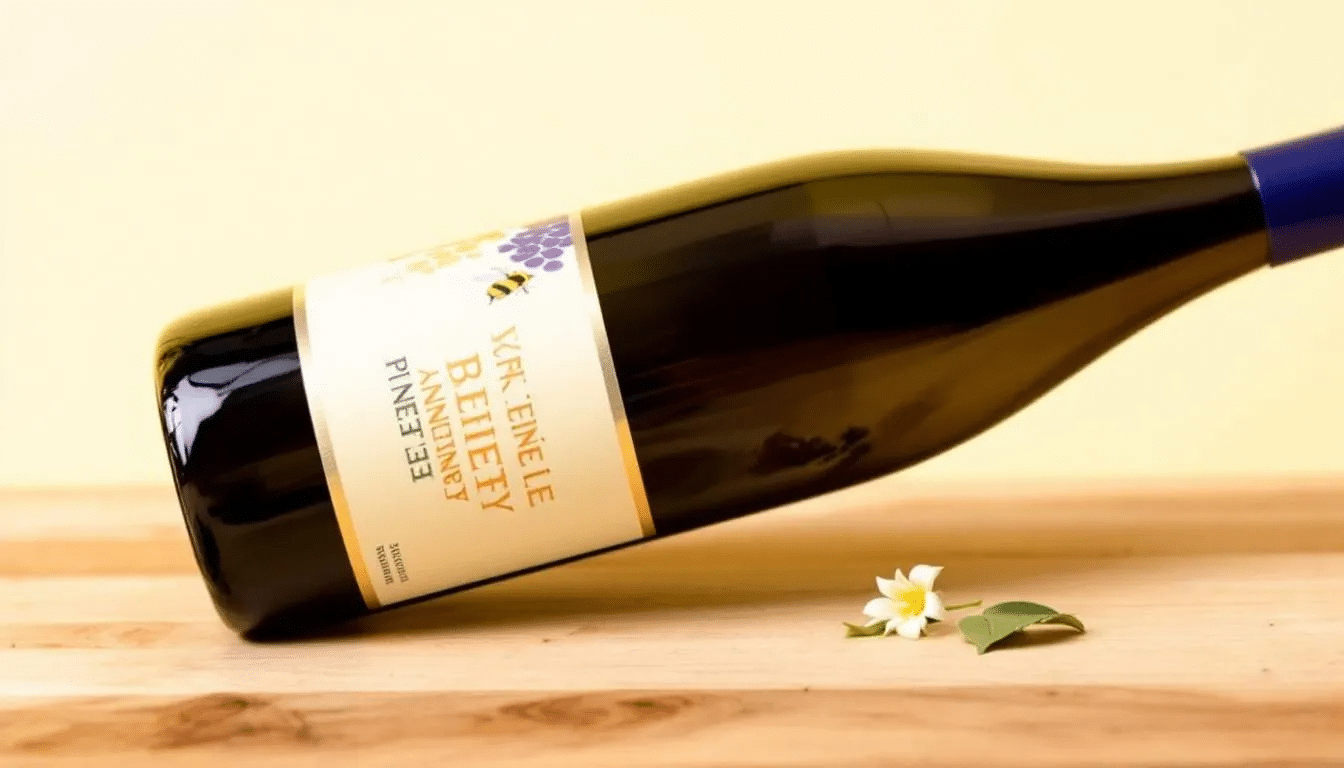
definition
Bee friendly wine refers to wine produced using viticultural practices to actively support and protect bee populations, as they are crucial pollinators in ecosystems, playing a vital role in the growth of many crops, including those adjacent to vineyards.
The “Bee Friendly Farming” certification is a specific sustainability designation that wineries can achieve. It recognizes farms, gardens, and other businesses that support bees directly or indirectly. Some wineries, like Scheid Family Wines, have successfully obtained this certification, a demonstration of their commitment to sustainability and environmental stewardship.
The certification typically involves:
- Pesticide restrictions: The label prohibits the use of pesticides harmful to bees and requires partnerships with local beekeepers.
- Habitat creation: Establishing and maintaining bee habitat by planting bee-friendly cover crops and pollinator-friendly plants around vineyard properties. Specific plants are grown to attract and support a variety of bee species, creating resilient pollinator habitat for native pollinators.
- Sustainable farming practices: Using methods that don’t harm bee populations while still maintaining grape quality.
- Collaboration with beekeepers: Working with local beekeeping operations and a beekeeper who may provide education about bee habitat and pollinator health on vineyard properties to ensure farming practices align with bee health.
Certification requirements often include ongoing monitoring and reporting. Making wine in a bee friendly way involves careful stewardship of the land and a commitment to supporting a pollinator habitat and biodiversity.
This certification is part of a broader movement in sustainable winemaking, alongside other certifications like organic, biodynamic, and various regional sustainability programs. While grapevines themselves don’t require bee pollination, the surrounding ecosystem and biodiversity that bees support can enhance overall vineyard health and sustainability. Several projects around the world are focused on supporting different bee species and enhancing pollinator habitat in vineyards.
The Bee Friendly certification helps consumers identify wines produced by wineries that are actively contributing to pollinator conservation, which is increasingly important given global concerns about the decline in the bee population. Choosing bee friendly wine supports a healthier world and food system.
Growers recognize the interconnectedness of nature, food production, and the need to protect bee habitat for future generations.
Introduction to Sustainable Wine
Oregon Vineyards
The Oregon wine industry has wholeheartedly embraced certified organic vineyard practices, focusing intensely on the health of the land, the vines, and the surrounding ecosystem. A key part of this passionate commitment is the protection and support of pollinators, especially bees, who play an essential role in maintaining biodiversity and healthy habitats throughout the region!
The Role of Bees in Vineyards
Oregon Vineyard Bees
Bees are a super important part of Oregon’s vineyard world, even though wine grapes can pollinate themselves! In these amazing Oregon vineyards, you’ll find native bees, wild bees, and mason bees all working together to keep the land healthy and strong. These busy pollinators are like tiny garden helpers, making sure all the different plants around the vines stay diverse and thriving! This supports natural pest control and keeps the soil in great shape.
Vineyard managers are beginning to understand how vital bees are and are taking action by planting native plants and pollinator-friendly plants all over their properties. These efforts create fantastic bee homes that attract tons of pollinators, which then help the whole vineyard flourish! The Oregon Department of Agriculture is right there supporting these cool projects, giving farmers and vineyard managers the guidance and resources they need to make their farms bee friendly. By creating healthy spots where bees can thrive, Oregon vineyards are making sure their wine grapes and the whole farming landscape will be sustainable and healthy for years to come!
Bee Conservation and Wine Production
Bee Conservation in Oregon Vineyards
The health of pollinators is directly linked to the success of wine production, making bee conservation an absolutely crucial part of vineyard management! The use of toxic pesticides (especially the most dangerous ones like neonicotinoids!) poses a massive threat to bee populations and the overall health of the vineyard ecosystem.
Recognizing this critical connection, many Oregon wineries are stepping up to the challenge:
• Sokol Blosser Winery and Remy Wines are leading the charge with their commitment to sustainable farming practices that minimize or eliminate the use of harmful chemicals.
• These forward-thinking wineries are creating amazing pollinator habitats by: ○ Planting native gardens (often featuring dozens of local flowering species!) ○ Installing bee hotels throughout their properties ○ Maintaining natural areas that support an incredible variety of pollinating insects
• Such dedicated efforts not only protect our precious bees but also enhance the quality and resilience of wine grapes in remarkable ways!
By making bee conservation part of their operations, these wineries are truly leading the way in producing wines that are both delicious and environmentally responsible! The results speak for themselves as these sustainable practices create a thriving ecosystem where both bees and vines can flourish together.
Wine Tours and Events
Bee Friendly Wine Tours in Oregon
Exploring Oregon vineyards through bee friendly wine tours and events offers an amazing opportunity to learn about sustainable wine production and the crucial role of pollinators (these tiny workers are essential for healthy ecosystems!). Many wineries now offer guided tours that showcase their bee friendly practices, from stunning pollinator gardens to natural habitat restoration projects that cover hundreds of acres.
Visitors can enjoy tastings in the vineyard or tasting room while discovering how bees and other pollinators contribute to the health of the vines and the quality of the wine (did you know that a single bee colony can pollinate up to 300 million flowers in one day!). Educational programs and workshops, often organized in partnership with Oregon State University, provide deeper insights into pollinator conservation and sustainable viticulture techniques that have been perfected over decades.
Annual celebrations like Oregon Wine Month highlight the region’s commitment to sustainability, giving wineries a fantastic platform to share their efforts in protecting bees and promoting biodiversity across the Pacific Northwest! These experiences not only enhance appreciation for Oregon wines but also inspire visitors to support pollinator-friendly practices in their own communities (there’s an old saying among Oregon vintners that “happy bees make happy vines, and happy vines make exceptional wine!”).
Choosing Bee Friendly Wines
Selecting bee friendly wines is a simple yet impactful way for consumers to support sustainable farming practices and pollinator conservation! The bee-friendly label on a bottle indicates that the wine has been produced with careful attention to the health of bees and other pollinators (quite a feat in today’s agricultural world!), using methods that avoid the most toxic pesticides and promote biodiversity across vineyard landscapes.
Many Oregon wineries, such as Sokol Blosser Winery and Remy Wines, proudly offer bee-friendly wines that are crafted from grapes grown in certified organic vineyards or under sustainable guidelines that protect these essential pollinators. There’s almost a joke among sustainable vintners that you can tell a bee-friendly vineyard by the buzz of activity during harvest season!
Consumers can also look for wines labeled as organic or made from sustainably farmed grapes, knowing that these choices help protect pollinator habitats and support the future of the Oregon wine industry for generations to come. By choosing bee-friendly wines, wine lovers can enjoy exceptional flavors while making a positive difference for bees, vineyards, and future generations – quite an achievement for any wine enthusiast!