
Auslese
The term Auslese comes from the German wine classification system (Prädikatswein) and refers to a specific ripeness level of grapes…
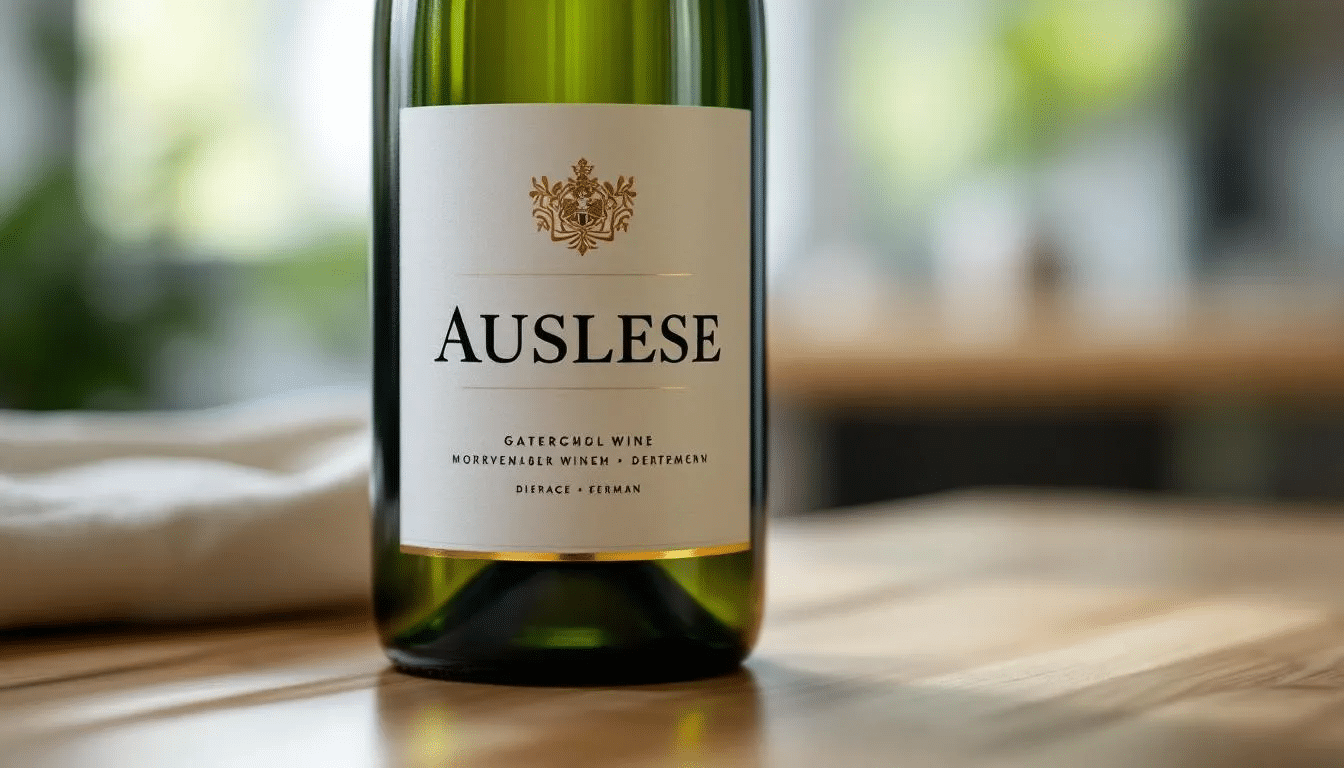
definition
The term Auslese comes from the German wine classification system (Prädikatswein) and refers to a specific ripeness level of grapes at harvest. It’s primarily used for Riesling and other quality German wines and literally translates to “selected harvest”.
Within the German wine classification system, the entry-level categories are deutscher wein and table wine, which refer to wines produced exclusively from grapes grown in Germany and represent the most basic tier. Above these, Auslese is a type of quality wine within the Prädikatswein system, indicating a higher standard based on grape ripeness and regional regulations.
If you are wondering what Auslese is and what the different levels of classification are, this guide can help you better understand how it is used in the German wine classification system.
1. What Auslese Means: Very Ripe Grapes
- Auslese wines are made from very ripe, hand-selected grapes, with fully ripened grapes picked at a later stage of harvest—often riper grapes than those used for lower classifications.
- The grapes typically have high sugar content (due to extended ripening), and the sugar present in the grape juice at harvest determines the sweetness level of the finished wine. Some grapes may be affected by noble rot (Botrytis cinerea), which concentrates sugars and flavors.
- These wines are richer, sweeter, and more complex than lower classifications but less sweet than Beerenauslese or Trockenbeerenauslese.
- While usually sweet, dry versions (Trocken) are also produced, especially in regions like the Mosel and Rheingau.
2. The German Prädikatswein Level
Auslese is part of six main quality levels within Germany’s Prädikatswein system (known as Prädikat wines in the German classification), which classifies wines based on grape ripeness at harvest, not final sweetness.
Here’s the hierarchy from least ripe to most ripe:
| Level | Meaning | Ripeness / Oechsle*(approx.)* | Style | Typical Sweetness |
|---|---|---|---|---|
| Kabinett | “Cabinet wine” | 67–82° Oechsle | Light, crisp, refreshing | Dry → Off-dry |
| Spätlese | “Late harvest” | 76–90° Oechsle | More body & flavor than Kabinett | Off-dry → Semi-sweet |
| Auslese | “Selected harvest” | 83–100° Oechsle | Hand-picked, very ripe grapes; made from a select harvest of individually selected grapes | Semi-sweet → Sweet |
| Beerenauslese (BA) | “Berry selection” | 110–128° Oechsle | Noble rot grapes, intensely rich; made from a berry select harvest of overripe berries | Sweet dessert wines |
| Trockenbeerenauslese (TBA) | “Dry berry selection” | 150–154° Oechsle | Hand-picked, shriveled noble rot berries; made from a dry berry select harvest | Ultra-sweet, rare |
| Eiswein | “Ice wine” | Similar to BA | Grapes harvested frozen, concentrated sugars | Very sweet & pure |
(Oechsle = German measure of grape must weight, indicating sugar levels.)
3. Where Auslese Stands In German Wine Classification System
- Position: Middle-upper tier of the system.
- Sweetness range: Often medium-sweet but can also be vinified dry (Auslese Trocken), resulting in a style similar to an off-dry wine or half-dry wine.
- Flavor profile: Rich, honeyed, tropical fruit notes, sometimes with botrytis complexity.
- Aging potential: Rieslings can age
 In wine terms, “age” refers to how long … More for 15–30+ years, developing petrol-like aromas and deep complexity.

4. Grape Varieties
The hallmark of these wines lies in their use of very ripe grapes that are carefully hand-selected at a later stage of harvest to ensure optimal ripeness and sugar content! Among German wines, Riesling stands out as the classic grape variety for Auslese, prized for its naturally high acidity and remarkable ability to balance sweetness with freshness. This makes Riesling the perfect choice for producing sweet wines with vibrant flavors and incredible aging potential!
While Riesling is the most traditional and widely used grape for Auslese, other grape varieties are also permitted under German wine law:
• Pinot Gris (Grauburgunder) • Pinot Blanc (Weissburgunder)
These varieties can bring subtle differences in taste and texture, but Riesling remains the gold standard for quality and complexity in this classification!
The process of making Auslese involves individually selecting grapes that have reached a very high level of ripeness, often with some berries affected by noble rot (Botrytis cinerea). This noble rot works like magic, concentrating the sugars and flavors! The result is a higher concentration of residual sugar and a richer, more complex wine. The German wine classification system, including the VDP classification, sets strict standards for production:
• Minimum must weight of 95 degrees Oechsle to guarantee the necessary sweetness and quality • Only the ripest, most perfect grapes make the cut!
By focusing on ripe grapes and specific grape varieties, Auslese wines achieve a unique balance of sweetness, high acidity, and layered flavors that is simply extraordinary! These sweet wines are celebrated for their depth, elegance, and amazing ability to express the character of their vineyard site and grape variety. Whether enjoyed as a dessert wine or paired with savory dishes, it represents the pinnacle of German wine craftsmanship and the enduring appeal of wines made from fully ripened grapes!
4. Key Tips for Understanding Auslese Sweet Wine
- Labeling: If you see “Auslese Trocken,” it’s dry despite the high ripeness level.
- Sweetness level: German wine labels may indicate ‘dry wine’ (trocken) or ‘semi dry’ (halbtrocken), helping you identify the sweetness level of the wine.
- Regional variation:
- Mosel: Often lighter, elegant, with vibrant acidity.
- Rheingau & Pfalz: Fuller-bodied, richer styles. Pinot NoirPinot Noir is one of the world’s most re… More is a notable grape variety in some regions, especially for red wines.
- Pairing: Sweet Auslese works beautifully with blue cheese, spicy Asian cuisine, foie gras, or fruity desserts.

Conclusion
Auslese = Wines made from hand-selected, very ripe grapes, typically rich, sweet, and complex. It sits above Spätlese and below Beerenauslese in Germany’s Prädikatswein hierarchy.