
Old World Wine vs New World Wine
Old World wine vs New World wine is a fundamental concept that helps wine lovers navigate the diverse styles and…

definition
Old World wine vs New World wine is a fundamental concept that helps wine lovers navigate the diverse styles and flavors found across the globe. The world of wine is a tapestry woven from centuries of tradition, innovation, and the unique characteristics of countless regions (we’re talking about thousands of different wine regions across the globe!). At the heart of this vast landscape lies the distinction between
The distinction between Old World wine vs New World wine reflects both geography and winemaking philosophy, creating fascinating differences in style, tradition, and approach.
When considering Old World wine vs New World wine, the comparison frames the historical roots and evolving innovations that define each region’s approach to wine.
Old World wines, which are rooted in the historic vineyards of Europe, some more than 2,000 years old, are celebrated for their subtlety, complexity, and deep connection to terroir. These wines often reflect time-honored winemaking practices. In contrast, New World wines, crafted in regions outside of Europe, are known for their bold, fruit-forward profiles and a willingness to embrace modern winemaking techniques (including everything from temperature-controlled fermentation to reverse osmosis!).
This dynamic interplay between Old World wine vs New World wine shapes not only the flavor profiles of wines but also the cultural and historical narratives that define the world of wine. Whether you are drawn to the earthy elegance of a classic Bordeaux (with its perfect balance of Cabernet Sauvignon and Merlot!) or the vibrant intensity of a California Cabernet (often reaching alcohol levels of 15% or higher!), understanding these distinctions enriches every sip and deepens your appreciation for the artistry of winemaking.
Old World wines come from traditional wine regions in Europe (places like France, Italy, Spain, Germany, and Portugal), the Middle East, and Northern Africa. These Old World wine regions have been making wine for thousands of years, with deeply rooted traditions and strict regulations. Old World winemakers typically emphasize terroir, the idea that wine should express the unique characteristics of its specific place, including soil, climate, and local grape varieties.
Old World wines tend to be made with a greater emphasis on restraint, earthiness, and complexity that develops over time, with higher acidity, more minerality, lighter body, and lower alcohol compared to their New World counterparts. Think of a Burgundy that speaks of limestone soils or a Barolo that captures the essence of Piedmont’s fog-covered hills.
New World wines come from regions that began serious winemaking more recently, primarily the Americas, Australia, New Zealand, and South Africa. These winemakers tend to be more experimental and technology-focused, often emphasizing the grape variety itself rather than place. The new world style is characterized by a fuller body, lower acidity, and bold flavors. New World wines frequently showcase riper fruit flavors, higher alcohol levels, and more immediate accessibility.
A Napa Cabernet or Australian Shiraz might burst with bold fruit flavors from day one. Climate change is also influencing Old and New World wine characteristics, leading to shifts in ripeness, alcohol, and acidity. The philosophy of the winemaker plays a significant role, and many winemakers are now blending Old and New World techniques to reach the same level of quality and complexity, further blurring traditional distinctions.
The regulatory approaches differ significantly. Old World regions often have strict appellation systems dictating which grapes can be grown where and how wine must be made, while New World producers generally have more freedom to experiment with blends, techniques, and vineyard practices. These differences in wine production are sometimes highlighted in blind tastings, where experts attempt to distinguish styles without knowing the wine’s origin.
These distinctions are increasingly blurred as globalization brings techniques and philosophies across traditional boundaries, creating a sense of one world in winemaking. However, they still provide a useful framework for understanding different winemaking traditions and styles.
Food pairings are also influenced by these stylistic differences, as Old World wines often complement nuanced dishes while New World wines can stand up to bolder flavors. Wine experts and wine enthusiasts alike appreciate the broad strokes of Old World vs New World distinctions, using them as a foundation for deeper exploration and discussion.
Old World Wine vs New World wine: History and Tradition
The story of wine is absolutely fascinating; it’s a tale of two completely different worlds! One side is steeped in ancient tradition (we’re talking thousands of years here!), while the other is driven by cutting-edge modern innovation. Old World countries like France, Italy, and Spain have been producing some of the planet’s most incredible wines for millennia, developing super strict appellation systems and winemaking practices that put terroir and heritage at the heart of everything they do.
These regions have set the gold standard for classic wine styles, influencing winemakers all around the globe in ways that are pretty amazing when you think about it. But here’s where it gets really interesting. New World winemakers, from sunny California to the vast landscapes of Australia, have taken a completely different approach. They’ve embraced experimentation like nobody’s business, using modern winemaking techniques that would make Old World traditionalists’ heads spin and focusing on unlocking the incredible potential of grape varieties through innovative vineyard management.
This bold willingness to try new things has led to the creation of entirely new wine styles (some that didn’t even exist fifty years ago!) and has totally expanded what we think wine can be. The fascinating interplay between the time-honored traditions of the Old World and the pioneering spirit of the New World continues to shape how wine evolves today, offering wine lovers an ever-expanding array of flavors and experiences that keep getting more exciting every year!
Old World Wine Regions
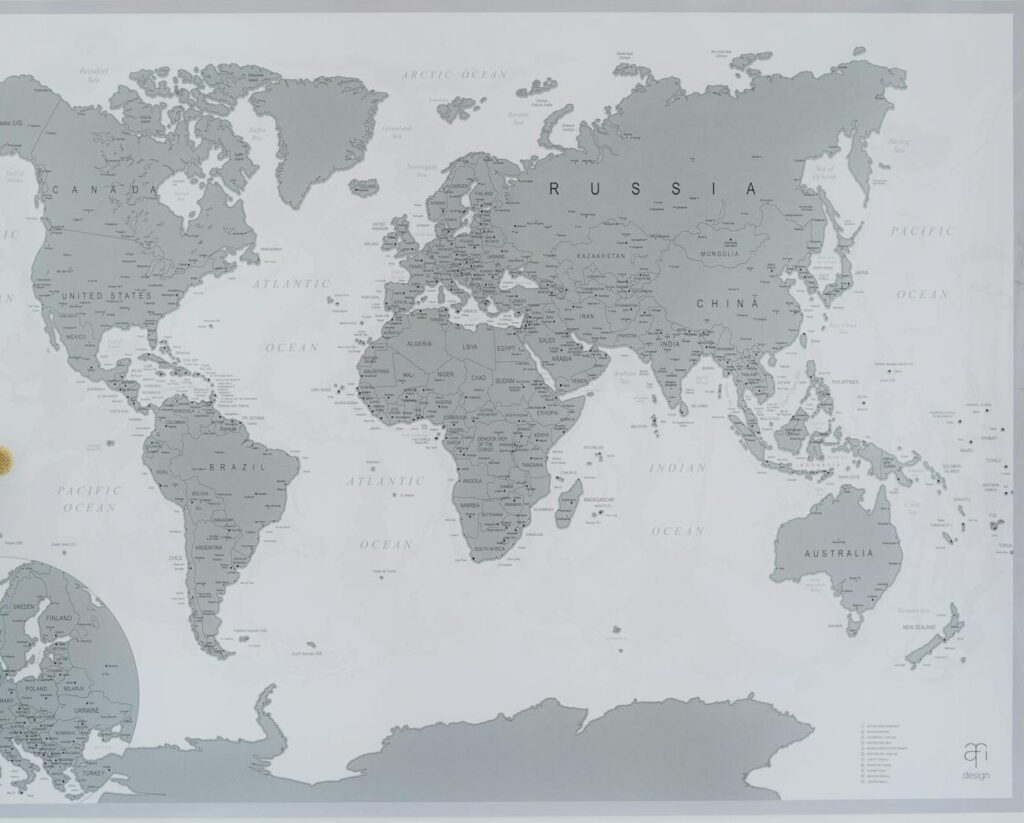
Old World wine regions are absolutely packed with history, tradition, and a deep respect for the land. Europe sits right at the heart of the Old World, with countries like France, Italy, Spain, Portugal, and Germany each bringing their own amazing wine styles and winemaking techniques to the table. In France, regions such as Bordeaux, Burgundy, and Champagne are celebrated for their terroir-driven wines. Italy dazzles with its incredible diversity, offering everything from the bold reds of Tuscany to the aromatic whites of the Veneto, all crafted from grape varieties that have been growing there for centuries.
Spain and Portugal, with their own distinctive traditions, produce wines that reflect hundreds of years of local expertise and cultural heritage that’s been passed down through generations. Germany, famous for its elegant Rieslings, really shows off the importance of climate and careful winemaking. Across these old-world wine regions, the focus stays laser-sharp on expressing the unique qualities of each vineyard, preserving traditional winemaking practices that have stood the test of time, and honoring the legacy of generations past who knew exactly what they were doing!
New World Wine Regions
New World wine regions are defined by their incredible spirit of exploration and an unwavering commitment to pushing the boundaries of winemaking. In the United States, California leads the charge with its world-renowned Cabernet Sauvignon and Chardonnay, offering rich wines, fruit-forward, and bursting with character. Australia has made its spectacular mark with bold, powerful wines like Barossa Valley Shiraz (talk about intensity!), while also producing elegant whites and innovative blends that continue to surprise and delight. New Zealand has completely captured the attention of wine lovers worldwide with its vibrant, citrus-driven Sauvignon Blanc.
South America, with powerhouse countries like Chile and Argentina, has emerged as an absolute force in the world wine scene, delivering high-quality wines that offer exceptional value and an incredibly wide range of styles (from high-altitude Malbecs to coastal Sauvignon Blancs!). These dynamic New World wine regions are characterized by their enthusiastic embrace of modern winemaking techniques, advanced vineyard management (some using technology that would amaze old-world vintners!), and an adventurous willingness to experiment with grape varieties and blends. The result is an absolutely dynamic and diverse selection of wines that continue to expand the horizons of the global wine industry in ways that keep surprising even the most seasoned wine professionals!