
Wine Cantina
Wine Cantinas are an essential part of any Italian winery. They are the wine cellar where the grapes are transformed…
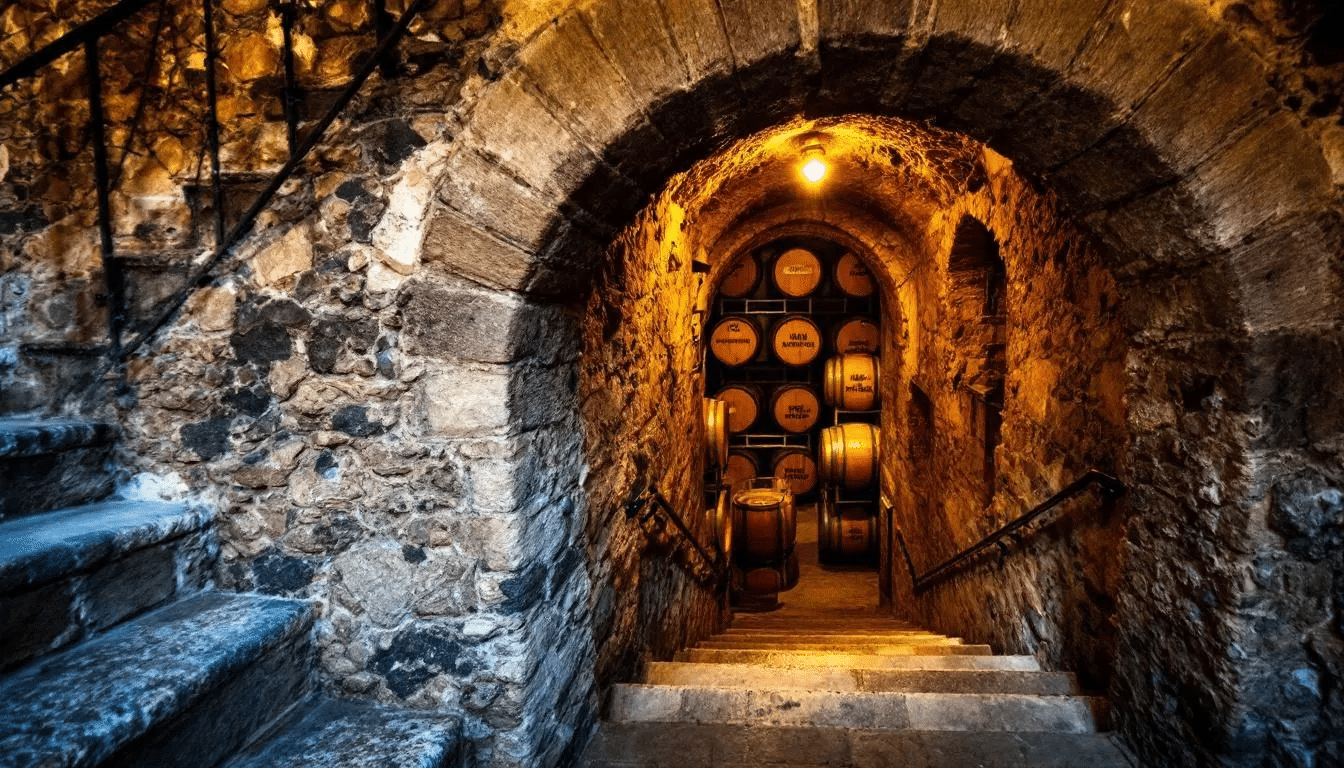
definition
Wine Cantinas are an essential part of any Italian winery. They are the wine cellar where the grapes are transformed into wine. Wine has been produced for generations in every one of the twenty Italian regions, which means that wine cantinas are found throughout the entire country.
Most of the wineries are located on mainland Italy; however, Sardinia and Sicily are renowned for their wine cantinas that are creating wines of excellence.
- Veneto – Known for Prosecco and Pinot Grigio production
- Tuscany – Famous for Chianti and Brunello di Montalcino
- Piedmont – Renowned for Barolo and Barbaresco wines
- Emilia-Romagna – Traditional winemaking region
- Sicily and Sardinia – Island wine production
- Campania – Known for unique volcanic soil wines
Beyond Italy, the wine cantina concept has spread around the globe, particularly in wine regions with Italian heritage, where cantina often appears on winery names and signage.
Examples include wine cantinas in the United States, Saint Lucia, and other countries with Italian immigrant communities.
Wine Making in Italy
Wine is much more than just a drink. In Italy, making wine is a tradition that is passed down from parents to their children for generations. Each winery and cantina has its own unique story that comes from the land, the weather, and all the hard work that goes into growing grapes from the vine, all the way to your glass.
At the heart of every wine is the grape, and Italy’s got some incredible variety in its territory! From the crisp and refreshing Trebbiano to the bold and powerful Montepulciano and Sangiovese varieties, Italian winemakers really know how to bring out the best natural flavors. This know-how gets better with each harvest season, and that’s how wineries can make such unique collections that show off what makes their region special!
wine Cantinas
A cantina encompasses both the production area where fermentation, aging, and bottling occur, as well as the storage cellars where wines mature. Their primary functions include:
Wine Production: Cantinas handle the entire winemaking process from grape processing through fermentation, barrel aging, and on-site bottling. Modern cantinas incorporate advanced technology while maintaining traditional winemaking principles, featuring temperature-controlled fermentation tanks, barrel aging rooms, and sophisticated bottling lines.
Wine Storage: The term derives from the Latin cantina, meaning corner or vault, reflecting the traditional underground or semi-underground construction that provides optimal temperature and humidity conditions for winemaking.
Visitor Experience: Many cantinas also serve as tasting rooms and retail spaces where visitors can sample and purchase wines directly from the producer. They offer tours, wine tastings, and educational experiences about winemaking traditions.
Cultural Preservation: The cantina represents the heart of Italian wine culture, where generations of winemaking knowledge converge with contemporary techniques to create wines that express both terroir and tradition.
How many Wine Cantinas Are There?
The number of cantinas varies significantly depending on how they’re counted:
Italy: Between 2018 and 2021, there was a decrease in the number of wineries in Italy. Approximately 310 thousand wineries are operating in Italy, which likely includes smaller grape growers.
Between 2010 and 2020, the number of wineries fell by a third to 255,520, showing significant consolidation in the industry. Italian cantinas range from small family operations producing a few thousand bottles annually to large commercial facilities processing millions of liters.
Major Producers: The largest winery in Italy bears the name of the Caviro Group, which manages as many as 36,500 hectares of vineyards cultivated by 12,800 winemakers.
Worldwide: The cantina concept exists globally wherever Italian winemaking traditions have taken root, though exact numbers for cantinas outside Italy are difficult to quantify, as the term is used variably.
Conclusion
Wine cantinas are fundamental institutions in Italian wine culture, serving as the physical and cultural heart where traditional winemaking meets modern techniques. From small family-run operations to massive cooperative ventures, these facilities transform grapes into wine while preserving centuries of tradition. While primarily concentrated across Italy’s twenty wine regions, the cantina concept has spread worldwide, particularly in areas with Italian heritage.
Though the exact number of wine cantinas is evolving through industry consolidation, Italy maintains tens of thousands of these vital wine production facilities, ensuring the continuation of one of the world’s most celebrated winemaking traditions. Whether visited for their exceptional wines, cultural significance, or stunning vineyard settings, cantinas remain essential destinations for wine enthusiasts and guardians of Italian viticultural heritage.