Domaine
A domaine is a French term for a wine estate that owns vineyards and produces wine from its own grapes….
definition
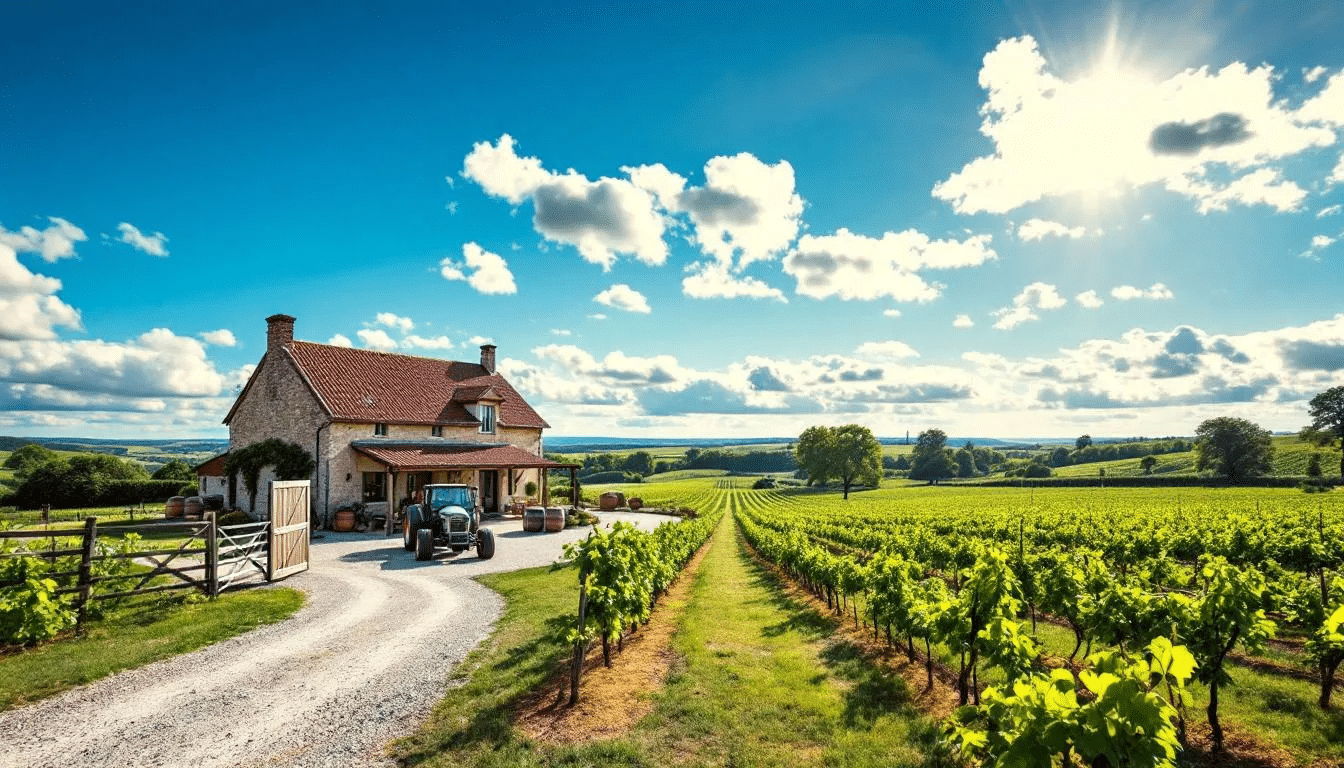
A domaine is a French term for a wine estate that owns vineyards and produces wine from its own grapes. It’s essentially a wine property where the entire winemaking process happens under one roof—from growing the grapes to bottling the final product.
The term is most commonly used in French wine regions, particularly in Burgundy, where it carries significant weight. In Burgundy, the term ‘domaine’ is often associated with prestigious appellations such as those in the Côte d’Or, and helps to define the origin and quality of the wines. A domaine typically includes:
- The vineyards themselves.
- The winemaking facilities (cellar, production equipment).
- A domaine is often a historic house or château where the winemaking family resides.
The key distinction is that a domaine grows and vinifies its own fruit, rather than purchasing grapes from other growers. When discussing French wines, understanding the terms used to describe estates, such as domaine and château, also refers to specific classifications and regional traditions.
These terms are essential for understanding the structure and classification of French wine estates.
Why is it Important?
The concept of a domaine matters greatly in the wine world for several reasons:
Quality Control and Terroir Expression: When one entity controls the entire process from vine to bottle, they can ensure consistent quality standards and express the unique characteristics of their specific plots of land. The winemaker intimately knows every parcel, understanding the subtle differences in soil, exposure, and microclimate. Some domaine wines are particularly well-suited for cellaring, allowing their complexity and character to develop and mature over time.
Traceability and Authenticity: Domaine-bottled wines (often labeled “mis en bouteille au domaine”) guarantee the wine’s origin. You know exactly where the grapes came from and who made the wine. Many domaines offer exclusive membership programs that provide access to special tastings and limited-release wines.
Tradition and Heritage: Many domaines have been family-owned for generations, with winemaking knowledge passed down from one generation to the next. This continuity preserves traditional techniques and historical connections to specific vineyard sites.
Market Value: Domaine bottlings typically command higher prices than négociant wines (made from purchased grapes) because of the perceived quality advantage and single-source authenticity.
Are Domaines Unique?
Yes, domaines are inherently unique in several ways:
Geographic Specificity: Each domaine owns particular plots of land with distinct terroir—the combination of soil, climate, elevation, and exposure that cannot be replicated elsewhere. For Burgundy, for example, a domaine in Vosne-Romanée produces fundamentally different wines than one in Meursault, even though they’re only miles apart. The minerality and aromatic profile of a wine can vary dramatically from one plot to another, contributing to the unique nose and palate of each domaine’s wines.
Individual Style: Each winemaker brings their own philosophy, techniques, and choices to the process. Some practice organic or biodynamic farming, others use more interventionist approaches. Fermentation vessels, aging regimens, and harvest decisions all create a signature style. Different choices, such as aging in oak barrel,s can impart notes of cedar, clove, and licorice, while also influencing the wine’s finish and overall complexity. A wine may take time to open, revealing layers of aromas and subtle hints of fruit, spice, and minerality as it breathes.
Historical Parcels: In regions like Burgundy, many domaines own small parcels in prestigious vineyards that have been recognized for centuries. These specific plots have unique characteristics that make each domaine’s interpretation of even the same vineyard distinctive. Domaines may produce both red wine and white wine, each with its own palette of flavors such as cherry, strawberry, pear, apricot, tangerine, almonds, and honeysuckle.
Size and Scale: Domaines vary dramatically in size, from tiny producers making just a few hundred cases to larger estates producing thousands. This scale affects everything from vinemaking decisions to market presence. Regardless of size, each domaine strives to create wines with a balanced palate, expressive nose, and a memorable finish.
The diversity of aromas, flavors, and textures, ranging from fruity notes like cherry and strawberry to nutty hints of almonds and floral notes of honeysuckle, makes exploring different domaines a rich sensory experience.
Vineyard Management
Vineyard management is the real secret behind every amazing domaine, especially in world-famous wine regions like Burgundy and throughout France. The way a vineyard gets looked after directly creates the quality, smells, and balance of the wines, making it one of the most important parts of winemaking that goes way beyond just growing some grapes.
In France, vineyard teams work super closely with the winemaker to keep the special terroir of each estate alive and kicking. This means paying attention to the soil, weather, and landscape that make each vineyard unique. By taking care of the land and respecting what nature gives them, domaines make wines that truly show off where they come from—whether that’s a rich, fruity Bordeaux blend or a crisp Burgundian Pinot Noir that makes your taste buds dance.
Sustainable practices are popular these days, and many domaines are choosing to hand-prune and hand-harvest their grapes. These traditional methods ensure that every step of the winemaking process, from winter pruning in the vineyards to fruit choices at harvest time, winemaking, and aging, is meticulously adhered to ensure that only perfect wines are produced.
Visiting a domaine’s vineyards is hands down the best way to discover just how beautiful and complex wine really is at its very source! Whether you find yourself in the rolling hills of Bordeaux or the gorgeous countryside of Oregon (both absolutely stunning!), these estates give you an incredible chance to experience the land, meet the awesome people behind the wines, and taste what all their hard work creates. For anyone who’s crazy about wine, exploring vineyard management practices is like taking a fascinating trip right into the heart of what makes each bottle so special.
By focusing on sustainable vineyard management, domaines don’t just create balanced and expressive wines—they also preserve their precious land for the generations that come after them, which ensures that winemaking will be around for future generations to enjoy. This commitment to quality and caring for the earth is exactly what sets the great estates apart from the rest, and every single sip tells the amazing story of where it came from.
Conclusion
A domaine represents more than just a wine producer—it’s a complete expression of place, tradition, and winemaking philosophy. The concept embodies the French notion of terroir, where wine is seen as an agricultural product intimately connected to its specific origin.
Understanding domaines is essential for appreciating fine wine, particularly from France. When you purchase a domaine-bottled wine, you’re buying into a complete story: the land, the family, the tradition, and the unique character that can only come from that specific place and producer.
For wine lovers, exploring different domaines offers an endless journey of discovery, as each estate presents its own interpretation of its vineyards and its region’s potential. This diversity and authenticity are what make the domaine system a cornerstone of the wine world.