
Spätlese
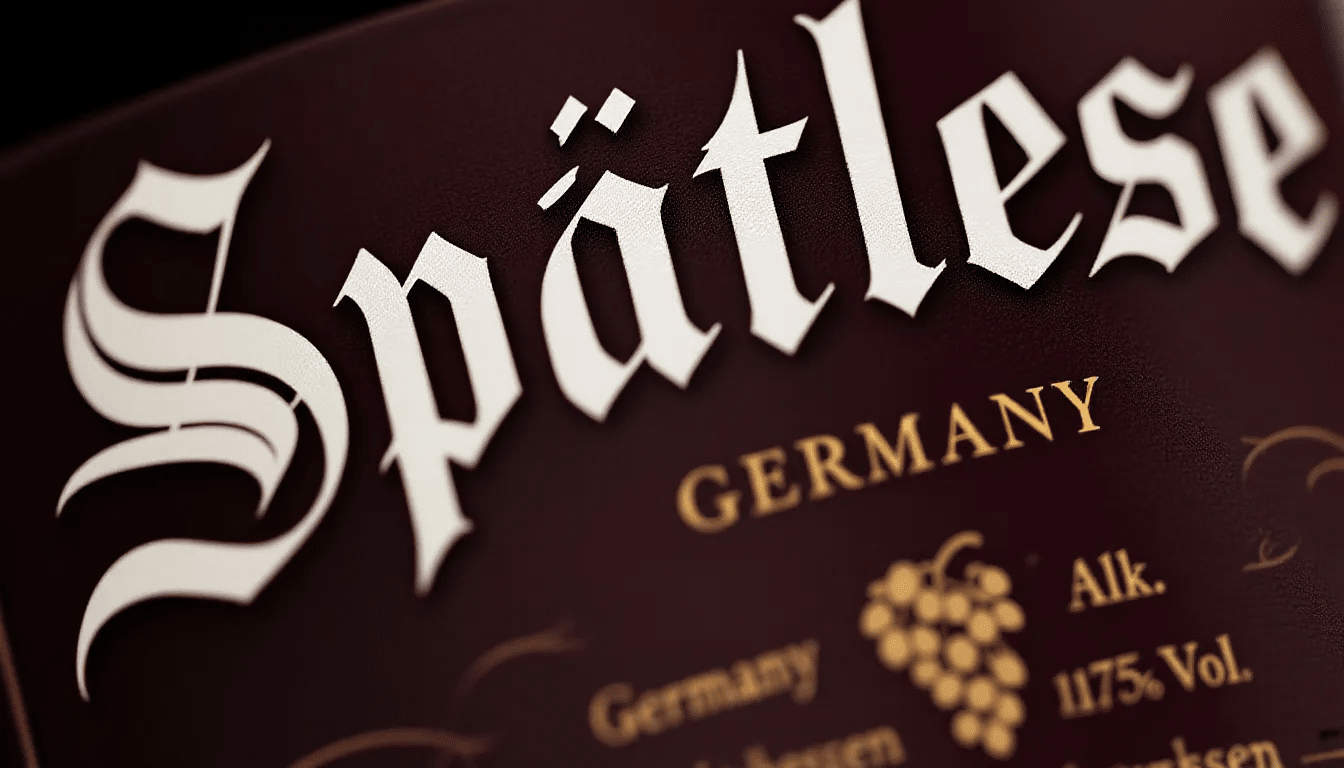
Spätlese, which translates from German as “late harvest”, is a celebrated style of German wine that stands out for its…
definition
Spätlese, which translates from German as “late harvest”, is a celebrated style of German wine that stands out for its rich, fruity character and vibrant acidity. These wines are crafted from grapes that are left to ripen longer on the vine (sometimes well into autumn when other grapes have already been picked), allowing them to develop more sugar and complex flavors before harvest. As a result, Spätlese wines typically offer a semi-sweet to sweet profile, with a higher sweetness level than most dry wines but less than a full dessert wine.
Most Spätlese wines are made from Riesling grapes, renowned for their ability to balance sweetness with refreshing acidity that cuts through beautifully. This style is officially classified as a Prädikatswein, a quality tier in the German wine classification system indicating the ripeness of the grapes at harvest.
The extended ripening period gives Spätlese wines their signature richness and depth, making them a favorite among those who appreciate sweet wine with a lively, balanced finish that lingers on the palate. Whether enjoyed on their own (perfect for a sunset sip!) or paired with food, Spätlese wines showcase the best of German winemaking tradition and the unique character of late-harvest grapes that have had extra time to develop their full potential!
What Grape Varietals are Used to Make Spätlese?
Spätlese can be made from various grape varietals, but the most common examples include:
White Varietals:
- Riesling – The most prestigious and widely produced Spätlese, particularly from Germany’s Mosel, Rheingau, and Pfalz regions.
- Gewürztraminer – Creates aromatic, spicy Spätlese wines with intense floral notes; Gewurztraminer Spatlese is a notable example of Austrian wine, reflecting the region’s traditions and qualities.
- Grüner Veltliner
 Grüner Veltliner is Austria’s flagship w… More – Austrian Spätlese offerings with distinctive minerality; both Grüner Veltliner and Gewurztraminer Spätlese are classic examples of Austrian wine, showcasing the unique regional character of Austrian Spätlese.

Red Varietals (less common):
- Pinot NoirPinot Noir is one of the world’s most re… More – Occasionally used in cooler climates
- DornfelderDornfelder is a red wine grape variety t… More – German red variety sometimes made in Spätlese style

Riesling remains the gold standard for Spätlese, representing about 80% of all Spätlese production.
How Spätlese Is Made
The production of Spätlese follows specific protocols that distinguish it from other wine styles:
Harvest Timing:
- Grapes are harvested later than normal table wines (Spätlese means “late harvest” in German)
- Picking occurs 1-2 weeks after standard harvest, typically in October or November
- Grapes achieve higher sugar concentrations (minimum 76-90 Oechsle degrees in Germany), and the extent of ripeness is crucial, with some grapes reaching exceptional over-ripeness for quality wine production.
Production Process:
- Selective Picking – Grapes are hand-selected for quality and ripeness, ensuring only the best fruit is used.
- In some years, grapes may be affected by botrytis (noble rot), which increases sugar concentration and complexity.
- Gentle PressingPressing is the process of extracting ju… More – Slow, careful extraction to preserve delicate flavors.
- Cool Fermentation – Temperature-controlled fermentation preserves aromatics.
- Stopped Fermentation – Process halted to retain residual sugar.
- ClarificationClarification is the process of removing… More – Extended settling and filtration for clarity.

Select harvest methods, including berry selection and dry berry selection, are used for rarer, higher-quality wines. These involve meticulous selection of overripe or raisinated grapes, often influenced by noble rot, to produce unique wines with great aging potential.
Key Characteristics:
- Natural acidity is preserved through careful handling.
- Residual sugar levels typically range from 18-45 grams per liter.
- Alcohol content usually remains moderate (7-11% ABVWhat Does A.B.V. Mean in Wine? What does… More).

Classification and Labeling
German wine labels are an absolute treasure trove of information, offering incredible insight into the wine’s origin, grape variety, style, and quality. Understanding these labels is absolutely key to navigating the world of German wines, especially when it comes to identifying Spätlese. The classification system is based on the ripeness and sugar content of the grapes at the time of harvest, with Spätlese representing a perfect mid-level category—riper than Kabinett but less so than Auslese.
On a German wine label, you’ll discover the grape variety, the region, and sometimes the specific vineyard where the grapes were grown, the producer’s name, and the vintage year. The term “Spätlese” will be clearly indicated, signaling that the wine was made from late-harvest grapes with a higher natural sugar content. This system helps wine lovers quickly identify the style and expected wine sweetness, place of origin, and producer’s reputation.
Wine Styles
German wines are celebrated for their remarkable diversity, offering an incredible range of styles to suit every palate imaginable! Spätlese wines are a prime example of this amazing variety, sitting perfectly between dry and dessert wines. Spätlese is famous for its semi-sweet to sweet character (typically containing 18-45 grams of residual sugar per liter).
The sweetness level of any German wine is determined by the exact amount of residual sugar left after fermentation. Spätlese wines typically have significantly more residual sugar than dry wines, giving them that richer, sweeter taste that wine lovers adore, but they are definitely not as intensely sweet as dessert wines like Beerenauslese or Trockenbeerenauslese.
Where is Spätlese Produced
Spätlese production is concentrated in specific wine regions known for their cool climates and suitable grape varieties. Spätlese is produced in several countries, including Germany and Austria, each with its own wine regulations and traditions:
Primary Regions:
Germany (The birthplace and leader):
- Mosel – Produces the most elegant, mineral-driven Riesling Spätlese
- Rheingau – Historic region known for structured, age-worthy examples
- Pfalz – Germany’s largest wine region, offering diverse Spätlese styles
- Nahe – Combines Mosel eleganceElegance in alcoholic beverages — whethe… More with Rheingau structure
- Württemberg – Notable for both white and red Spätlese
Most German wines in higher quality categories, such as Spätlese, are known for their balance and traditional style.
Austria:
- Wachau – Premium Grüner Veltliner and Riesling Spätlese
- Kamptal and Kremstal – Growing reputation for quality late-harvest wines
In Germany, the Schloss Johannisberg winery in the Rheingau is the birthplace of the Spätlese category. Germany produces approximately 70% of the world’s Spätlese.
Color
Spätlese wines display distinctive visual characteristics that vary by grape variety:
White Spätlese:
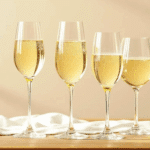
- Young wines – Pale yellow to light golden colorWine color refers to the visual appearan… More with a hint of green
- Mature wines – Deeper golden hue, sometimes with amber reflections
- Riesling Spätlese – Often shows brilliant clarity with a hint of green tinge
- Gewürztraminer Spätlese – Tends toward deeper gold with copper highlights

Red Spätlese (rare):
- Light to medium ruby color
- Often, more translucent than regular red wines due to the gentle extraction process
The color intensity generally correlates with the wine’s age and the specific grape variety used, with sweeter examples often displaying richer golden tones.
Aroma
The aromatic profile of Spätlese is one of its most captivating features:
Riesling Spätlese:
- Fruit – Peach, apricot, apple, pear, citrus zest
- Floral – Jasmine, honeysuckle, orange blossom
- Mineral – Wet stone, slate (especially Mosel examples)
- Honey – Subtle sweetness indication
- Petrol/Kerosene – Classic aged Riesling characteristic
Gewürztraminer Spätlese:
- Intense lychee, rose petal, and spice box aromas
- Exotic fruit notes like passion fruit and mango
- Distinctive perfumedPerfumed refers to wines that exhibit pr… More quality

General Characteristics:
- High aromatic intensity due to concentrated flavors
- Complex layering that evolves in the glass
- Balance between fruit purity and terroir expression
- Often displays both primary fruit and secondary fermentation aromas
Flavor
The flavor profile of Spätlese represents a harmonious balance between sweetness and acidity. Spätlese is a classic example of a late harvest wine, known for its rich, sweet, and aromatic profile:
Taste Characteristics:
- Sweetness Level – Noticeably sweet but not cloying
- Acidity – Bright, refreshing acidity provides balance
- Fruit Flavors – Concentrated stone fruits, orchard fruits, and citrus
- Mineral Notes – Especially prominent in German examples
- Texture – Medium-bodied with excellent length
Riesling Spätlese Flavor Profile:
- Lime, green apple, and white peach flavors
- Distinctive mineral backbone
- Honeyed sweetness balanced by crispCrisp wines come from several key grape … More acidity
- Long, clean finish with fruit and mineral persistence
Development Over Time:
- Young wines emphasize fresh fruit flavors
- Mature wines develop honey, petrol, and complex tertiary flavors
- The balance between sweet and tart remains consistent throughout aging
Structure
The structural elements of Spätlese create a distinctive drinking experience:
Acidity:
- High natural acidity (typically 6-8 g/L)
- Provides freshness and prevents cloying sweetness
- Enables excellent aging potential
Alcohol:
- Moderate levels (7-11% ABV)
- Lower than dry wines due to residual sugar
- Contributes to the wine’s elegant, refinedRefined is a term that refers to wine th… More character

Residual Sugar:
- 18-45 grams per liter (varies by producer and vintage)
- Provides richness without overwhelming the palate
- Balanced by high acidity for harmony
- Spätlese wines can range in dryness, from off-dry wine to fully sweet, depending on the fermentation process and residual sugar content.
- Spätlese Trocken is a style made from late-harvest grapes that are fermented dry, resulting in a wine with higher ripeness but lower residual sugar.
Tannins:
- Minimal in white varieties
- Soft, gentle structure in rare red examples
Body and Weight:
- Medium-bodied with substantial mouthfeel.
- Glycerol content adds texture and richness.
- Well-integrated alcohol creates a smooth drinking experience.
- The dryness level of Spätlese can vary, with some examples classified as Trocken (dry), Halbtrocken (half-dry), or Feinherb (off-dry), each offering a different balance of sweetness and body.
Aging
Spätlese wines are renowned for their exceptional aging potential and are widely recognized for their good aging potential, often developing more complex flavors over 10 to 20 years or more:
Aging Capacity:
- Premium examples can age 15-30+ years.
- Standard quality wines develop well for 8-15 years.
- Peak drinking window often occurs 5-10 years after vintage.
Development During Aging:
- Primary flavors (fresh fruit) gradually evolve.
- Secondary characteristics (honey, petrol, spice) emerge.
- Tertiary complexity develops with extended cellaring.
- Color deepens from pale yellow to rich gold.
Storage Recommendations:
- Cool, consistent temperature (50-55°F/10-13°C).
- Proper humidity levels (60-70%).
- Protection from light and vibration.
- Wines should be stored on their side.
Signs of Proper Aging:
- Developing complexity while maintaining freshness.
- Integration of sweet and acid components.
- Emergence of mineral and honeyed characteristics.
- Sustained length and finish.
Food Pairing
Spätlese’s unique sweet-tart balance makes it exceptionally versatile with food:
Classic Pairings:
Spicy Cuisine:
- Thai, Indian, and Szechuan dishes
- The sweetness balances heat and spice
- Aromatic complexity complements complex seasonings
Foie Gras and Pâtés:
- Traditional pairing showcasing sweet-savory harmony
- Rich textures complement the wine’s body
Soft Cheeses:
- Brie, Camembert, and aged Gouda
- Creamy textures pair beautifully with the wine’s richness
Seafood:
- Shellfish with cream sauces
- Smoked salmon and trout
- Sushi and sashimi (especially with Riesling Spätlese)
Fruit-Based Desserts:
- Fresh fruit tarts and pavlovas
- Light fruit sorbets
- Peach and apricot-based desserts
Additional Pairings:
- Roasted pork with fruit glazes
- Duck and other rich poultry
- Caramelized onion dishes
- Nuts and dried fruits
Should You Try Spätlese?
Spätlese offers compelling reasons for wine enthusiasts to explore this category:
Unique Flavor Profile:
- Distinctive balance rarely found in other wine styles
- Complex interplay between sweet and tart elements
- Exceptional aromatic intensity and development
Food Versatility:
- Pairs with both savorySavory wine refers to wines that exhibit… More and sweet dishes
- Excellent with spicy cuisines
- Perfect for challenging food pairing situations

Aging Potential:
- Represents excellent value for age-worthy wines
- Develops fascinating complexity over time
- Can be enjoyed young or mature
Cultural Significance:
- Represents centuries of German winemaking tradition
- Showcases the potential of cool-climate viticulture
- Demonstrates terroir expression in sweet wine styles
Who Should Try Spätlese:
- Wine enthusiasts seeking new experiences
- Lovers of aromatic white wines
- Those interested in food and wine pairing
- Collectors looking for age-worthy wines
- Anyone curious about traditional European wine styles
Conclusion
Spätlese represents one of wine’s most elegant and balanced expressions, combining the concentrated flavors of late-harvest grapes with the refreshing acidity that makes these wines both food-friendly and age-worthy. Born in Germany’s cool-climate vineyards and perfected over centuries, Spätlese offers a unique tasting experience that bridges the gap between dry and dessert wines.
For wine lovers seeking to expand their palate beyond conventional dry wines, Spätlese offers an accessible entry point into the world of naturally sweet wines. The combination of moderate alcohol, vibrant acidity, and concentrated flavors creates a drinking experience that is both sophisticated and approachable.
As climate change continues to affect traditional wine regions, the techniques and philosophy behind Spätlese production may become increasingly relevant for winemakers worldwide, making this traditional German style more important than ever in the modern wine landscape.