
Retronasal Aroma
Retronasal aroma is an important part of wine tasting, which is much more than just taking a sip – it’s…
definition
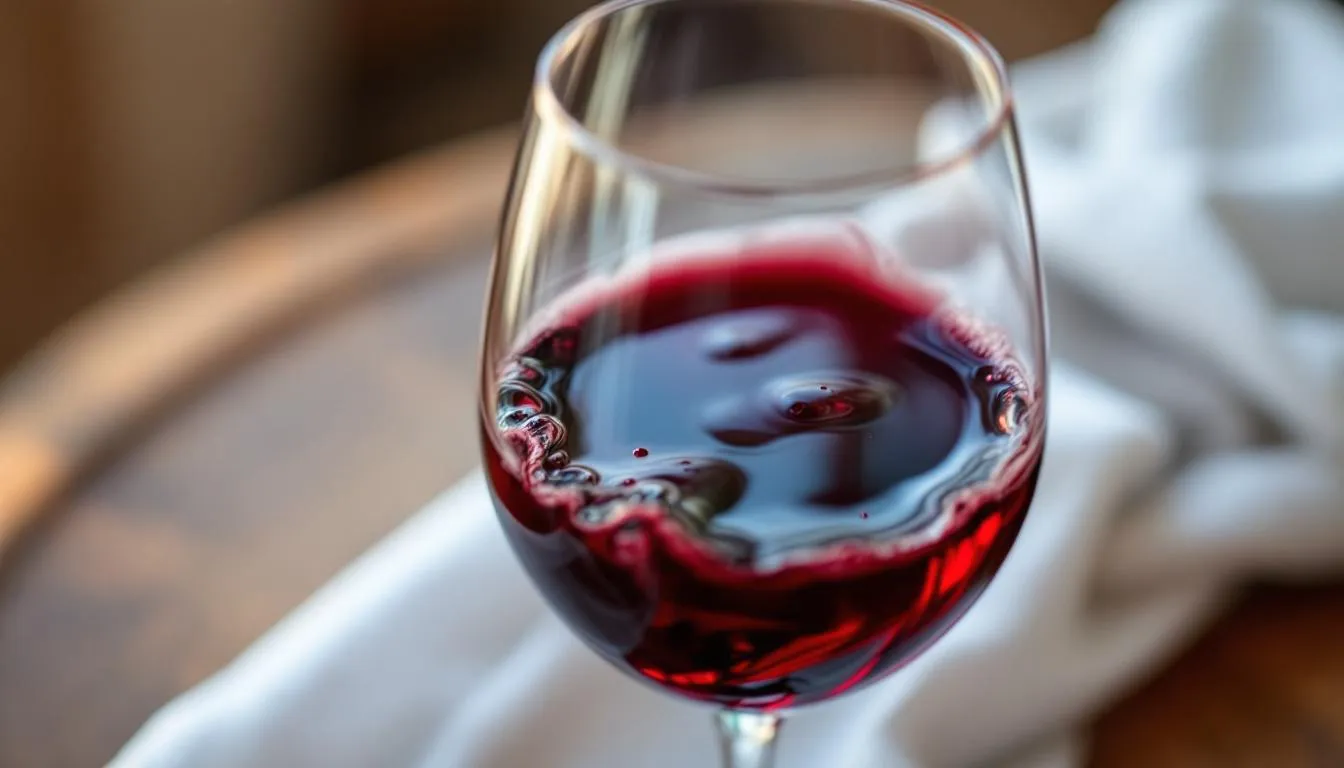
Retronasal aroma is an important part of wine tasting, which is much more than just taking a sip – it’s about using smart wine tasting tricks to discover all the wonderful smells and flavors hiding in each glass. When you swirl wine around in your glass, you’re actually helping to release the smell compounds, making it much easier to pick up on the wine’s special bouquet.
Taking a good sniff of the wine lets you find the aromas – from fruity and flowery smells to spicy and earthy ones – and each one helps make the wine what it is. When you finally take that sip, you get to taste not just the basic flavors but also the smells that give the wine its own special personality.
In recent years, scientists have discovered an element that affects how we taste wine, the “second nose” (retronasal olfaction) that happens when smell compounds travel from your mouth up to your nose through a special passage. This aids in experiencing all the complex flavors and aromas of the wine. Learning simple wine tasting techniques and understanding how your senses work together, your wine tasting skills will improve.
Physiological Factors
The way we taste and smell wine is deeply personal to each wine taster. Things like how much saliva you make, what’s in your saliva, and even the tiny bacteria living in your mouth all play a huge role in how you experience a glass of wine. When wine hits your mouth, it dances around your tongue, teeth, and the inside of your cheeks, which totally changes how the aroma compounds are released and perceived.
Your nose, packed with special smell detectors, then picks up these released compounds and sends signals to the brain that create your unique perception of smells and flavors. Factors such as age, sex, and how your mouth is built can make a massive difference in how you experience wine – for example, some people are more sensitive to tannins, which really affects how bitter and drying wines like Cabernet Sauvignon and Syrah taste to them.
These morphological differences mean that tasting wine is very personal; each person picks up and understands aroma compounds in their own special way. These factors explain why certain wines appeal way more to some wine enthusiasts than others, and why the same wine can taste completely different from one person to the next.
Aroma Compounds
Aroma compounds are the building blocks that create the smells and flavors that make wine tasting such an exciting and varied adventure. These tiny molecules can be picked up in two ways: smelling the wine straight from your glass, and when the aromas travel from your mouth up to your nose while you’re actually tasting. The variety of aroma compounds in wine is extensive, going from fruity and floral notes to spicy and oak-flavored aromas.
How these compounds are released and how we smell them depend on how the wine is made, fermented, and aged—steps that shape how strong and complex the aromas are in the glass. Wines that age in oak barrels often develop layers of vanilla, chocolate, and caramel aromas; certain types of yeast used during fermentation can boost fruity and floral characteristics.
Retronasal olfaction is the perception of aromas through the back of your nose while wine is in your mouth. Unlike smelling wine from a glass (orthonasal olfaction), retronasal perception happens when volatile compounds travel from your mouth up through the nasopharynx—the passage connecting your mouth and nose—to reach your olfactory receptors from behind.
This pathway creates what we commonly call “flavor.” What you might think you’re “tasting” is actually a combination of basic tastes detected by your tongue’s taste buds (sweet, sour, salty, bitter, umami) and these retronasal aromas. Both aromas and odors are perceived through this retronasal pathway. This is why food seems flavorless when you have a stuffy nose—or when you have a cold—your tongue still detects taste, but you’ve lost the retronasal aroma and odor component.
In wine, retronasal olfaction is particularly important because it reveals aromatic nuances that may not be apparent when simply nosing the glass. The warmth of your mouth and the interaction with wine’s texture volatilize different compounds than those released into still air.
How is wine tasting used?
Wine professionals and enthusiasts use retronasal olfaction as a critical evaluation technique:
The Technique: After taking a sip, hold the wine in your mouth briefly, then swallow while exhaling gently through your nose. Some people slightly part their lips and draw in a small amount of air to further volatilize the aromas. Pay attention to the flavors that emerge in this “finish” or “aftertaste.” Aroma release in the mouth is influenced by physiological factors, including the action of enzymes in saliva, which help in releasing aroma compounds for retronasal perception.
What it reveals: Retronasal perception often uncovers different aromatic layers than nosing the glass. You might detect subtle fruit characters, earthy notes, spices, or oak influences more clearly. The progression of these flavors—how they evolve and linger—is key to assessing wine quality and complexity. The process of releasing aroma compounds in the mouth is complex and involves both physical and biochemical mechanisms.
Professional applications: Sommeliers, winemakers, and critics use retronasal analysis to evaluate a wine’s structure, balance, and finish length. A wine with good “length” continues to reveal interesting retronasal aromas long after swallowing—sometimes for 30 seconds or more.
Conclusion
Retronasal olfaction is essential to experiencing wine’s full sensory profile. While the glass reveals a wine’s aromatic promise, retronasal perception delivers the complete flavor experience, revealing the complexity and nuances that define quality and character. Understanding this dual pathway—smelling and “tasting” through your nose—transforms wine appreciation from a simple sensory activity into a more conscious, layered exploration. Next time you enjoy wine, pause after swallowing to notice these retronasal aromas; you’ll discover an entirely new dimension to what’s in your glass.