
Cigar Box
Cigar box in wine is a desirable aromatic descriptor in wine tasting that refers to a complex, woody, cedar-like aroma…
definition
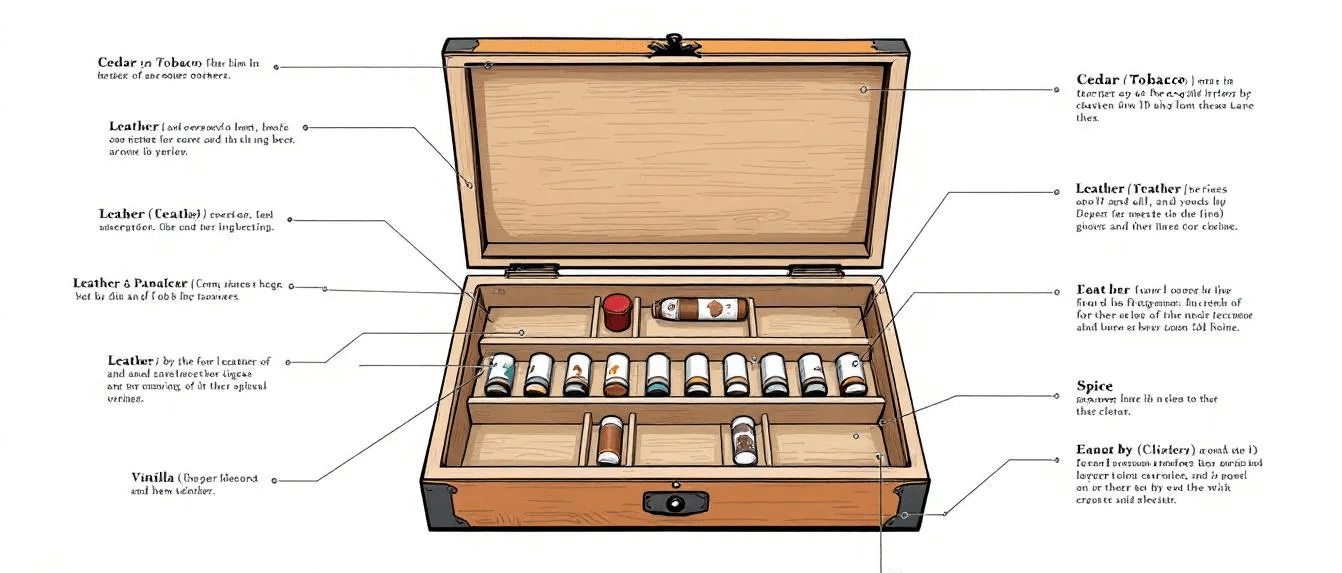
Cigar box in wine is a desirable aromatic descriptor in wine tasting that refers to a complex, woody, cedar-like aroma reminiscent of the interior of a cedar-lined cigar humidor. ‘Cigar box’ is one of several terms used to describe the nose of a wine, helping tasters identify and communicate specific aroma characteristics. It’s characterized by scents of dry cedar wood, tobacco leaf, pencil shavings, and sometimes hints of leather or spice.
These aromas are often found in wine vintages that have undergone oak and bottle aging. One thing to note is that cigar box aromas refer to the subtle, nuanced notes of cedar and tobacco, not to actual smoky or burnt characteristics. This is considered a tertiary aroma that adds sophistication and complexity to a wine’s bouquet. By learning to understand and appreciate these terms, wine lovers can better recognize the unique complexity that cigar box aromas bring to wine.
What Causes Cigar Box?
The cigar box aroma develops through several mechanisms:
Oak aging: Extended maturation in oak barrels, particularly American oak, contributes cedar and woody compounds. The toasting level of the barrels also plays a role in developing these aromatic precursors. The development of cigar box aromas depends on factors such as barrel type, toasting level, and aging duration.
Bottle aging: As wine matures in the bottle, primary fruit aromas evolve into more complex tertiary characteristics. Chemical compounds interact and transform over time, creating these cedar-tobacco notes.
Grape variety: Certain varieties naturally develop these characteristics more readily, particularly Cabernet Sauvignon and other Bordeaux varieties, which contain specific tannin structures and aromatic compounds that evolve into cigar box notes. The quality and careful selection of grapes, often hand-harvested from specific vineyards, play a crucial role in the development of these aromas. Some grape varieties express these cigar box notes with confidence, resulting in wines that stand out for their bold character.
Terroir: The growing conditions, particularly in regions with gravelly, well-drained soils, can influence the development of these aromatics. Certain regions, such as Bordeaux and Rioja, are particularly known for producing wines with pronounced cigar box aromas.
The place where the wine is produced and aged can significantly influence the presence and expression of cigar box notes.
Is It a Fault?
Cigar box is not a fault. It’s actually a highly prized characteristic in fine wines, particularly aged red wines. Wine critics and connoisseurs often consider cigar box notes a hallmark of quality and proper maturation. It indicates a wine has developed complexity and elegance through careful aging.
Typical Wines with Cigar Box
The home of cigar box aromas is often found in classic wine regions, where tradition and terroir shape the wine’s character. These distinctive notes are commonly found in wines from specific regions, and the enjoyment of such wines is often compared to the indulgence of fine cigars, both offering a luxurious experience for those who understand and appreciate life’s pleasures.
Bordeaux reds (particularly from the Left Bank): Pauillac, Margaux, and Saint-Julien wines based on Cabernet Sauvignon frequently display cigar box after 5-10+ years of aging. Cigar box notes are commonly found in this region, making it a destination for ones who seek out complex, age-worthy wines.
Napa Valley Cabernet Sauvignon: Premium examples, especially those aged in American oak, often develop pronounced cigar box characteristics with age. This region is known for wines where black fruits predominate, contributing to a rich and intense flavor profile.
Rioja Gran Reserva: Extended oak aging (traditional American oak) and bottle maturation produce classic cigar box notes alongside leather and tobacco. These aromas are often found in this region, the home of some of the world’s most celebrated aged wines.
Premium Cabernet blends: From regions like Margaret River (Australia), Bolgheri (Italy), and Maipo Valley (Chile), where cigar box nuances are found in wines that appeal to wine drinkers who appreciate sophistication and depth.
These wines are best enjoyed in a place and context that allows their complexity to shine—whether at a special dinner or a contemplative tasting. We invite you to understand the appeal of these wines, as they offer a sensory journey akin to savoring a fine cigar, reserved for those who truly appreciate the finer things in life.
Food Pairing Recommendations
Pairing food with Cigar Box wines is an experience that will absolutely blow you away and bring out the best in both the wine and your meal! The intense purple color and that amazing cigar box aroma — you know, the one with those cedar, tobacco, and spicy notes — make these red wines, especially Cabernet Sauvignon and Pinot Noir, a real standout choice for all kinds of dishes.
For those who love the deep red colors and black fruits in Pinot Noir, with dishes that complement the wine’s elegance and gentle spice. The vanilla and cloves in the wine work beautifully with pan-seared duck breast topped with cherry compote, or with roasted root vegetables that express the wine’s earthy side. The spicy touch and complex smells of Pinot Noir also make it a fantastic match for grilled salmon or mushroom risotto — the wine’s flavor shines on the palate with these savory dishes.
Cabernet Sauvignon, with its bold structure and that aged, oak-driven character, is a classic partner for hearty food! Think grilled steak with a Cabernet Sauvignon reduction, or roasted lamb with rosemary and garlic — now that’s a combination! The cigar box notes of cedar and tobacco in the wine blend with the richness of the meat, while the wine’s strong tannins cut right through the fat, creating a perfect balance. For cheese lovers, aged cheddar or blue cheese brings out the very best in Cabernet’s complex smells!
To create a memorable multi-course meal, start with a Malbec from Chile! Its bright spices and deep color make it a lively companion for grilled vegetables or spicy sausage. Then move on to a Cabernet Sauvignon from Argentina for the main course, where its full-bodied flavor and cigar box aroma really elevate dishes like braised short ribs or wild game. Finish with a glass of Pinot Noir, whose refined notes and silky feel add a touch of class to lighter dishes or even a dark chocolate dessert!
The secret to successful food pairing with Cigar Box wines is to match the wine’s intensity and aromatic complexity with dishes that work well with those flavors. Don’t be afraid to experiment — there are tons of options to explore, and each pairing gives you a new way to enjoy the unique character of these wines. There’s a saying among wine lovers that the best pairing is the one you discover yourself!
Ready to find your perfect match? Create an account, sign up for updates, or visit the company website to discover more about Cigar Box wines! Whether you’re just getting started or already a confident wine enthusiast, there’s a whole world of flavor waiting for you. Enjoy the journey, and let each pairing add a new layer of enjoyment to your next meal!
Conclusion
Cigar box is a sophisticated, desirable aroma that signals a wine’s evolution from youthful fruitiness to mature complexity. The development of these cigar box aromas often takes many months or even years of careful aging. Far from being a fault, it represents the successful marriage of quality fruit, thoughtful oak aging, and patient cellaring.
Discovering these aromas can lead to a deeper appreciation of fine wine. When you encounter cigar box notes in your glass, you’re experiencing one of wine’s most elegant transformations—a testament to time, terroir, and traditional winemaking.
It’s particularly magical in aged Bordeaux and premium Cabernet Sauvignon, where it joins a symphony of leather, earth, and dark fruit to create wines of remarkable depth and character. One thing to remember: enjoying the journey of wine tasting is just as important as the destination.