
Pinot Meunier
Pinot Meunier stands as one of the most underappreciated grape varieties in the wine world. It is one of the…
definition
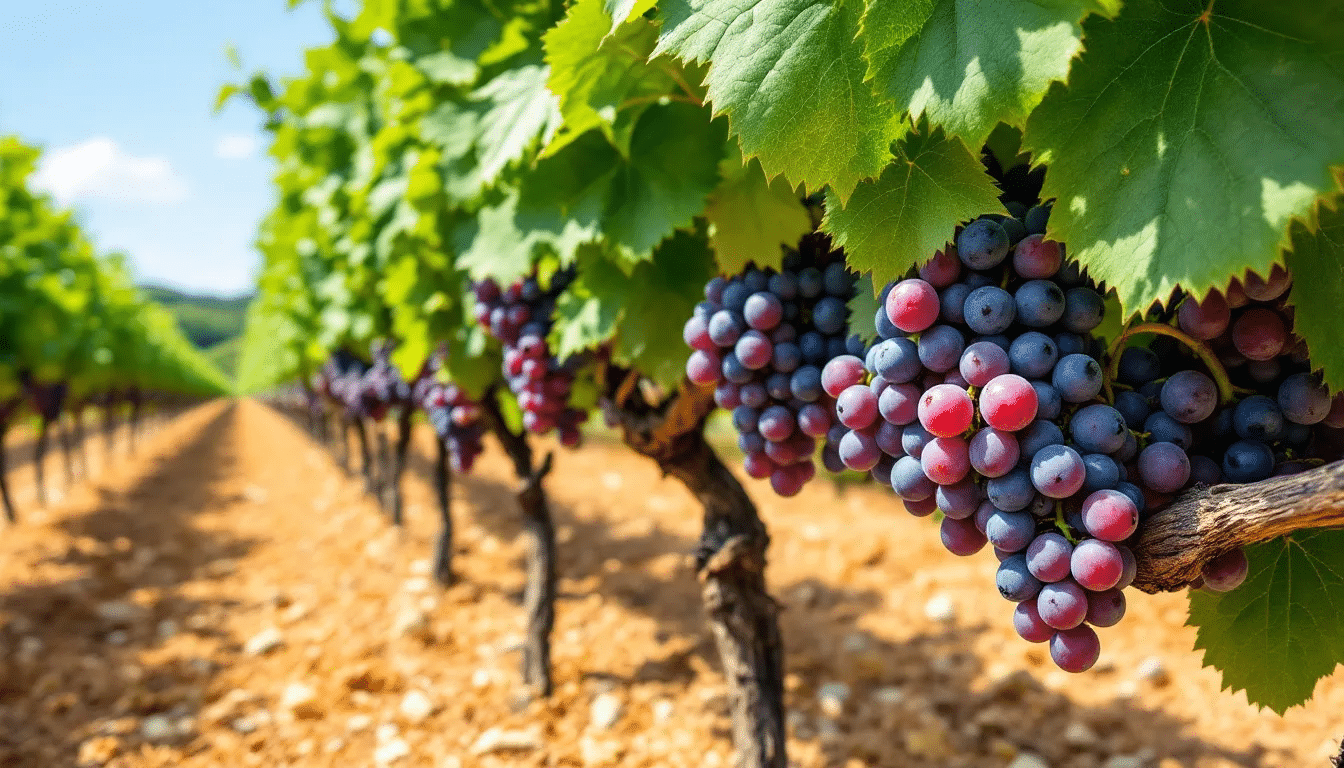
Pinot Meunier stands as one of the most underappreciated grape varieties in the wine world. It is one of the three main varieties used in Champagne, alongside Pinot Noir and Chardonnay. Often overshadowed by its more famous cousins, Pinot Noir and Chardonnay, this noble grape plays a crucial role in some of the world’s most celebrated wines, particularly Champagne. Yet few wine enthusiasts truly understand its unique characteristics and potential.
Origins of Pinot Meunier
Pinot Meunier’s history traces back to the Burgundy region of France, where it emerged as a natural mutation of Pinot Noir sometime during the Middle Ages. The name “Meunier” derives from the French word for “miller,” referring to the distinctive white, flour-like appearance of the underside of its leaves, which resembles the dusty hands of a miller after a day’s work. Meunier translates to “miller” in French, a reference to the fine white hairs and indented leaves that are characteristic of the grape, giving its foliage a powdery look.
Genetic studies have confirmed that Pinot Meunier is indeed a chimeric mutation of Pinot Noir, sharing the same DNA but with different genetic expression. This mutation occurred naturally in vineyards, and observant vignerons noticed its distinct characteristics and started growing it separately. By the 16th century, Pinot Meunier had established itself as a significant variety in French viticulture.
The grape’s early adoption in Champagne proved fortuitous. Its ability to ripen earlier than Pinot Noir and its resistance to frost made it invaluable in the challenging climate of northern France. Benedictine monks were instrumental in developing Champagne’s winemaking traditions, recognized Meunier’s potential, and incorporated it into their blends.
What Makes Pinot Meunier Unique
Pinot Meunier has several distinctive characteristics that set it apart from other grape varieties. Most notably, its leaves display a unique white, downy underside that gives the vine its name. This fuzzy coating isn’t merely cosmetic—it provides additional protection against frost and helps regulate the plant’s temperature. Growers often choose to plant Meunier in regions where its resilience and adaptability to challenging conditions are especially valued.
The grape clusters themselves are typically smaller and more compact than those of Pinot Noir, with berries that ripen earlier and consistently. This early ripening characteristic makes Meunier particularly valuable in cooler climates where the growing season is shorter. The grapes are prized for their adaptability and reliable ripening, making them a preferred choice in many vineyard site selections. The variety also demonstrates remarkable adaptability to different soil types and growing conditions.
From a winemaking perspective, Pinot Meunier offers winemakers a unique tool for blending. It provides immediate fruit-forward appeal, softer tannins than Pinot Noir, and a rounder, accessible texture. These qualities make it particularly valuable in sparkling wine production, where it contributes body and fruit character without the sometimes austere nature of young Pinot Noir.
The grape’s genetic instability, while potentially challenging for growers, also contributes to its uniqueness. There is significant diversity, as Pinot Meunier tends to produce more variation in its offspring than other varieties, leading to numerous clones with subtly different characteristics. This diversity allows winemakers to select clones that best suit their specific terroir and style preferences.
Where Pinot Meunier Grows in the World
Champagne, France, remains Pinot Meunier’s most important home, accounting for roughly 32% of all plantings in the region—making it actually the most planted grape in Champagne. The grape is widely grown in the Champagne region and is widely planted. The variety thrives particularly well in the Vallée de la Marne, where the slightly warmer microclimate and clay-limestone soils provide ideal growing conditions. Here, entire villages like Aÿ and Mareuil-sur-Aÿ have built their reputations on exceptional Meunier.
Australia has emerged as another significant producer, particularly in the Adelaide Hills, Yarra Valley, and Tasmania. Australian winemakers have been pioneers in exploring Pinot Meunier’s potential as a standalone varietal wine, creating both still and sparkling expressions that showcase the grape’s distinctive character. The cooler climate regions have proven especially suitable for producing high-quality Meunier.
Germany cultivates Pinot Meunier under the name Schwarzriesling, primarily in Württemberg, where it’s used for both still red wines and Sekt (German sparkling wine). The variety adapts well to Germany’s continental climate and has developed a following among local wine enthusiasts, with select vineyard sites in Württemberg known for their quality Schwarzriesling.
California’s cooler regions, including Sonoma Coast, Anderson Valley, and parts of Santa Barbara County, have seen increased plantings of Pinot Meunier. Forward-thinking producers recognize its potential for both sparkling wine production and interesting still wines that offer an alternative to ubiquitous Pinot Noir, with some vineyards in these areas focusing on Meunier’s unique attributes.
Other notable growing regions include England’s emerging wine regions, where climate change has made viticulture increasingly viable; small plantings are found in Oregon, New Zealand, and even cool-climate areas of South Africa. Pinot Meunier is also found in the Loire Valley, though only in dwindling quantities compared to Champagne, where it is used in various red and rosé wines.
How Winemakers Use Pinot Meunier
In Champagne, Pinot Meunier serves as the backbone of many prestigious blends. It is often blended with Chardonnay and Pinot Noir, the other key varieties in Champagne blends, to create complex sparkling wines. It provides immediate approachability and fruit character that balances the mineral precision of Chardonnay and the structural backbone of Pinot Noir.
Many of the world’s most famous Champagne houses, including Krug and Dom Pérignon, incorporate significant amounts of Meunier in their blends, valuing its ability to add complexity and drinkability. Chandon is another notable producer that uses Pinot Meunier in its sparkling wine blends, following traditional Champagne techniques to achieve desired wine qualities.
For sparkling wine production outside Champagne, winemakers appreciate Pinot Meunier’s contribution to both base wines and finished blends. The quality of the juice extracted from Pinot Meunier grapes is crucial in traditional sparkling wine production, as it impacts the final wine’s character. The variety’s naturally high acidity and fruit-forward character make it ideal for traditional method sparkling wines.
Pinot Meunier is commonly used in blanc de noirs styles, which are white sparkling wines made from black grape varieties like Meunier and Pinot Noir, while blanc de blancs are made exclusively from Chardonnay. It often forms the foundation of rosé sparkling wines, where its gentle extraction provides color and flavor without excessive tannins. Pinot Meunier is also used in rosé wines and in red and rosé wines in regions like Germany, where it is known as Müllerrebe or Schwarzriesling.
As a still wine, Pinot Meunier presents unique opportunities for winemakers willing to explore its potential. The grape produces elegant, medium-bodied red wines with silky textures and bright acidity. It has moderate tannin levels and can bring notable richness to certain styles, enhancing the wine’s body and depth. Some producers treat it similarly to Pinot Noir, using whole cluster fermentation, extended maceration, and aging in French oak to add complexity and structure.
Innovative winemakers have also experimented with Pinot Meunier in unexpected ways. Some produce light, Beaujolais-style wines using carbonic maceration, while others create more serious, age-worthy wines that rival quality Pinot Noir. The variety’s versatility allows for experimentation with different winemaking techniques and styles.
Tasting Notes and Wine Specifications
Color:
Pinot Meunier produces wines with a distinctive pale to medium ruby color, typically lighter than Cabernet Sauvignon but often displaying more intensity than young Pinot Noir. The hue tends to be bright and clear, with occasional hints of brick or orange at the rim in aged examples. In sparkling wines, Meunier contributes to a beautiful salmon-pink color in rosé blends.
Aroma:
The aromatic profile of Pinot Meunier is one of its most appealing characteristics. Fresh examples display vibrant red fruit aromas—strawberry, raspberry, and red cherry dominate, often accompanied by floral notes of rose petal and violet. As the wine develops, more complex aromas emerge: spice notes like cinnamon and clove, earthy undertones of forest floor and mushroom, and sometimes a distinctive smoky or bacon-like character that comes from the grape’s unique terpene profile.
Flavor:
On the palate, Pinot Meunier offers an immediately appealing combination of fruit and freshness. The primary flavors mirror the aromatics—bright red berries, tart cherry, and strawberry—supported by vibrant acidity that provides lift and energy. Unlike some Pinot Noirs, Pinot Meunier rarely shows the green or vegetal notes that can appear in cooler vintages. Instead, it maintains a consistent fruit-forward character with subtle herbal nuances of thyme and oregano.
Structure:
Pinot Meunier’s structure is characterized by moderate tannins that are typically softer and more approachable than those found in Pinot Noir. The acidity is naturally high, providing excellent balance and food-friendliness. Alcohol levels usually range from 12.5% to 13.5%, contributing to the wine’s overall elegance and drinkability. The texture is often described as silky or velvety, with a medium body that feels substantial without being heavy.
Aging:
While Pinot Meunier is often enjoyed young for its fresh fruit character, quality examples can age gracefully for 5-10 years or more. With time, the bright red fruit flavors evolve into more complex notes of dried fruit, leather, and earth. The wine’s natural acidity helps preserve freshness even as it develops secondary and tertiary characteristics. In sparkling wine blends, aged Meunier-based wines develop beautiful brioche and honey notes that add depth and complexity.
Food Pairing:
Pinot Meunier’s versatility makes it an excellent food wine. Its bright acidity and moderate tannins pair beautifully with a wide range of dishes. Classic pairings include roasted poultry, particularly duck and game birds, as well as roasted chicken, where the wine’s fruit character complements rich, fatty meats. The variety also works wonderfully with salmon and other meaty fish, grilled vegetables, and mushroom-based dishes.
For cheese pairings, Meunier complements both soft and hard cheeses. Try it with Brie, Camembert, or aged Gruyère. The wine’s fruit-forward nature also makes it suitable for charcuterie boards and light appetizers. In its sparkling form, Meunier-based wines are incredibly food-friendly, working with everything from oysters to fried chicken.
Pinot Meunier Today
Today’s wine world is witnessing a renaissance in Pinot Meunier appreciation. Sommeliers and wine enthusiasts are increasingly recognizing the variety’s unique qualities and seeking out single-varietal expressions that showcase its distinctive character. There is renewed interest in Pinot Meunier as a table wine, particularly in Australia, where producers are exploring its potential beyond traditional sparkling wine blends. This growing interest has encouraged producers worldwide to experiment with Meunier as a standalone wine rather than merely a blending component.
Climate change has also played a role in Pinot Meunier’s rising profile. As traditional wine regions experience warmer temperatures, Meunier’s early-ripening characteristics become increasingly valuable. The variety’s ability to maintain acidity and freshness even in warmer conditions makes it an attractive option for producers concerned about maintaining elegance in their wines.
The craft wine movement has embraced Pinot Meunier as a point of difference in crowded markets. Small producers appreciate the variety’s ability to express terroir clearly while offering something unique to consumers tired of ubiquitous varieties. This trend is particularly evident in emerging wine regions where producers are establishing their identity through distinctive grape choices.
Social media and wine education have contributed to greater awareness of Pinot Meunier’s role in famous Champagnes. As consumers become more knowledgeable about blending and winemaking techniques, they develop an appreciation for previously unknown components of their favorite wines.
Should You Try Pinot Meunier?
Absolutely. Pinot Meunier offers wine lovers an opportunity to explore a variety that combines accessibility with sophistication. Whether you’re a newcomer to wine or an experienced enthusiast, Meunier provides a different perspective on red wine and sparkling wine production.
For those who find young Pinot Noir too austere or tannic, Meunier offers a gentler introduction to elegant, terroir-driven wines. Its immediate fruit appeal doesn’t sacrifice complexity—rather, it presents complexity in a more approachable package. The variety’s food-friendliness makes it an excellent choice for dinner parties and casual dining.
Collectors and serious wine enthusiasts should consider Meunier for its rarity and aging potential. Quality single-varietal Meunier wines are still relatively uncommon, making them conversation pieces and potential discoveries. As the variety gains recognition, early adopters may find they’ve identified the next important wine trend.
From an educational standpoint, tasting Pinot Meunier alongside Pinot Noir provides valuable insight into how genetic mutations can create distinctly different wines while maintaining family resemblance. This comparison helps develop palate sophistication and understanding of viticultural nuances.
Conclusion
Pinot Meunier represents one of wine’s best-kept secrets, hiding in plain sight within some of the world’s most celebrated Champagnes while quietly developing an identity as a distinctive varietal wine. Its combination of historical significance, unique characteristics, and emerging potential makes it a fascinating study in how great grape varieties can evolve and find new expressions.
The variety’s journey from Burgundian mutation to Champagne, essential to an emerging varietal wine, demonstrates the dynamic nature of wine culture. As climate change, market demands, and winemaker creativity continue to reshape the wine world, Pinot Meunier’s adaptability and distinctive character position it well for continued growth and recognition.
For wine enthusiasts seeking new experiences and winemakers looking for distinctive tools, Pinot Meunier offers compelling opportunities. Its ability to express terroir clearly, age gracefully, and provide immediate pleasure makes it a variety worthy of serious attention. Whether encountered in a prestigious Champagne blend or a small-production varietal bottling, Pinot Meunier rewards those curious enough to explore beyond the mainstream.
The future looks bright for this “miller’s grape.” As more producers recognize its potential and more consumers discover its charms, Pinot Meunier may finally step out of the shadows to claim its rightful place among the world’s great wine varieties. For those willing to explore, the rewards are significant—discovering a variety that offers both immediate pleasure and long-term fascination, wrapped in a story of resilience, adaptation, and quiet excellence.