
robola
Robola (also spelled Robolla or Ribolla) is an ancient white grape variety with deep roots in the Ionian island of…
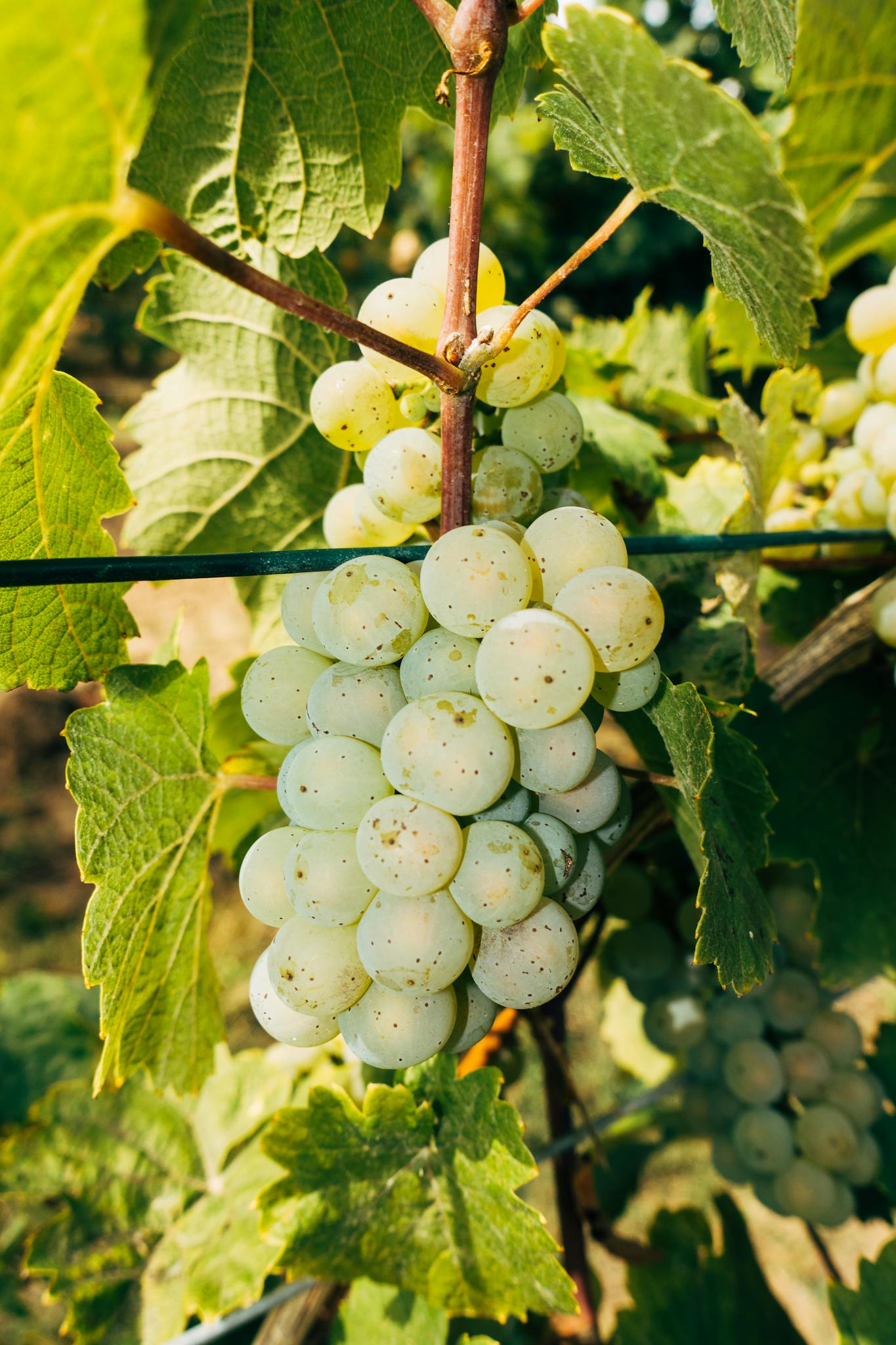
definition
Robola (also spelled Robolla or Ribolla) is an ancient white grape variety with deep roots in the Ionian island of Kefalonia, Greece. Kefalonia is part of the broader Ionian Islands, and Robola is also cultivated in central Greece, both regions being significant for the grape’s unique terroir and viticultural qualities. While some ampelographers have debated connections to Italian varieties like Ribolla Gialla, especially considering the influence of Italy and its renowned white wine regions such as Soave and Gavi, DNA analysis has confirmed that Greek Robola is a distinct indigenous variety that has thrived on Kefalonia for centuries—possibly since Venetian rule in the medieval period, though its true origins likely stretch back even further into antiquity.
The grape found its ideal home in the mountainous terrain of Kefalonia, Greece, particularly in the appellation of Robola of Kefalonia PDO (Protected Designation of Origin), established in 1971. The volcanic limestone soils and high-altitude vineyards of Mount Aenos create perfect conditions for this temperamental but rewarding variety. The historical order and noble lineage of winemaking families, such as Gentilini, played a crucial role in the development of Robola vineyards and the region’s winemaking tradition. It was first planted in these challenging terrains to take advantage of the unique terroir, and yields have historically been carefully managed and kept low to ensure the highest quality of wine.
What Makes Robola Unique
Robola stands apart from other Greek white varieties in several compelling ways:
Mountain character: Unlike many Greek whites that thrive at sea level, Robola performs best at elevations between 600-800 meters, where cool nights and intense sunlight create remarkable complexity in the wine’s profile.
Mineral intensity: The combination of limestone-rich volcanic soils and high altitude gives Robola an almost electric minerality—a limestone and flint character that wine enthusiasts often describe as “crunchy” or “stony.” This terroir also shapes the wine’s characteristic fruit flavors, highlighting its unique regional expression.
Natural acidity: Robola maintains vibrant acidity even in Greece’s warm climate, making it refreshing and age-worthy in a way that few Mediterranean whites can match.
Aromatic restraint: While aromatic, it is more subtle than overtly perfumed varieties, favoring elegance over exuberance with delicate citrus and herbal notes rather than tropical fruit. The wine displays citrusy aromas and flavors, expressing all the characteristic fruit of the variety in a refined manner.
In terms of structure, Robola is typically a dry white wine with medium body, offering a balanced mouthfeel that complements its crisp acidity and mineral complexity.
Robola Grows Only In Greece
The grape remains almost exclusively a Greek phenomenon, with Kefalonia as its undisputed heartland. The Robola of Kefalonia PDO accounts for the vast majority of plantings, concentrated around the slopes of Mount Aenos in the center of the island. The wines from Kefalonia are distinct for their unique terroir, flavor profile, and quality, setting them apart from Robola wines produced elsewhere.
Small experimental plantings exist elsewhere in Greece, but none have achieved the quality or character of Kefalonian Robola. The processes and challenges involved in planting Robola outside its traditional region—including adapting vineyard management techniques, soil preparation, and climate considerations—have made it difficult to replicate the success found in Kefalonia. The variety’s specificity to its terroir makes it challenging to replicate elsewhere—the unique combination of altitude, volcanic limestone soils, island microclimate, and winemaking tradition seems impossible to duplicate.
A few adventurous winemakers in other Mediterranean regions have attempted Robola plantings, but these remain insignificant. Yields outside Kefalonia are typically lower, which can further impact the quality and consistency of Robola wines produced in these regions. For all practical purposes, if you want authentic Robola, you’re drinking wine from Kefalonia.
How Winemakers Use It
Winemakers approach this grape varietal with respect for its delicate aromatics and natural structure:
Harvesting: Typically picked in late August to early September, winemakers carefully monitor acidity levels, as its naturally high acidity is crucial to its identity.
Fermentation: Most producers ferment Robola in stainless steel tanks to preserve its crisp fruit and mineral character. Temperature-controlled fermentation (15-18°C) helps retain the variety’s subtle aromatics.
Oak usage: While traditionally made unoaked, some modern producers experiment with neutral oak or brief lees contact to add texture without overwhelming the wine’s natural elegance. Lees stirring (battonage) is sometimes led to enhance complexity and finesse. The best examples show restraint—Robola is about purity, not power.
Blending: The wine is almost always bottled as a single-varietal wine. Its distinctive character doesn’t lend itself well to blending, and regulations for the Robola of Kefalonia PDO require 100% Robola.
The best way to vinify Robola involves careful timing and specific processes throughout fermentation and aging to highlight its unique qualities.
Tasting Notes and Wine Specifications
Color Wine color refers to the visual appearan… More: Pale straw to light gold, often with greenish reflections that hint at its youthful acidity. Crystal clear with brilliant luminosity.
Aroma: Elegant and restrained rather than exuberant. Expect citrus (lemon, lime, grapefruit), green apple, white peach, and distinctive herbal notes (fennel, wild herbs). Characteristic mineral notes of wet stone, chalk, and flint. Subtle white flowers (jasmine, orange blossom) emerge with the air.
Flavor: Intensely mineral-driven with racy acidity. Citrus fruits dominate—lemon zest, lime, and bitter orange—alongside green apple and hints of white peach. A distinctive saline quality evokes the Mediterranean. The mid-palate shows remarkable tension between fruit and minerality. Herbal nuances (thyme, oregano) echo the island’s wild landscape.
Structure: Medium-bodied with a lean, focused profile. The defining characteristic is vibrant, mouthwatering acidity (typically pH 3.0-3.2) balanced by moderate alcohol (12-13% ABV). Fine, almost chalky texture from the volcanic soils. The wine delivers a long finish, with a persistent aftertaste that enhances its complexity and quality, featuring lingering citrus and mineral notes.
Aging: Best enjoyed within 2-4 years of vintage to capture its youthful vibrancy, though quality examples from top producers can age gracefully for 5-8 years, developing honey, almond, and petrol notes while maintaining that signature acidity.
Food pairing: Robola’s acidity and mineral character make it extraordinarily food-friendly. Ideal matches include grilled fish and seafood (especially octopus, sea bass, or prawns), Greek salads with feta, herb-crusted chicken, fresh oysters, goat cheese, vegetable dishes with lemon, and traditional Greek mezze. The wine’s structure can handle richer preparations like fish in lemon sauce or dishes with olive oil and herbs.
Today
Robola is experiencing a renaissance as wine lovers are beginning to discover high-quality Greek wines. The Robola of Kefalonia PDO has gained international recognition, with critics praising its distinctive character and excellent value. Leading producers like Gentilini, Sclavos, and the Robola Cooperative of Kefalonia have elevated quality standards while respecting traditional practices.
Climate change presents challenges, as rising temperatures could threaten Robola’s signature acidity, but the variety’s high-altitude vineyards provide some protection. In recent years, hot summers and frequent heatwaves have accelerated grape ripening and shifted harvest timing, making it more difficult to maintain balance and freshness. Forward-thinking producers are experimenting with organic and biodynamic viticulture, and some are exploring earlier harvesting to preserve freshness.
The variety has become an ambassador for Greek wine, appearing on wine lists at quality restaurants worldwide and winning over critics who appreciate its combination of elegance, minerality, and Mediterranean character at accessible price points (typically $15-30).
Should You Try It?
Absolutely—especially if you appreciate mineral-driven white wines with personality and sense of place.
- Love wines like Chablis, Muscadet
 What Kind of Wine Is Muscadet? Muscadet … More, or AlbariñoAlbariño: An Exciting Refreshing White W… More that showcase minerality and acidity
- Seek distinctive alternatives to ubiquitous ChardonnayChardonnay is a white wine made from gre… More or Pinot Grigio
- Appreciate wines that reflect their unique terroir
- Enjoy Mediterranean cuisine and need versatile food wines
- Want to explore indigenous Greek varieties beyond AssyrtikoAssyrtiko is a white wine grape variety … More


Robola offers exceptional value for its quality level and provides a genuine taste of Kefalonia’s ancient winemaking heritage.
Conclusion
Robola stands as one of Greece’s most distinctive and accomplished white wine varieties. Its marriage of vibrant acidity, intense minerality, and elegant restraint creates wines of remarkable character and food compatibility. While it remains tied to its Kefalonian homeland—perhaps even defined by those limestone slopes and mountain breezes—this specificity is precisely what makes it special.
In a wine world increasingly dominated by international varieties, Robola reminds us why indigenous grapes matter. It offers something no other variety can: the pure, crystalline expression of an ancient island, captured in a glass. For anyone seeking authentic, terroir-driven wines with both history and quality, Robola deserves a place on your table.