
Nielluccio
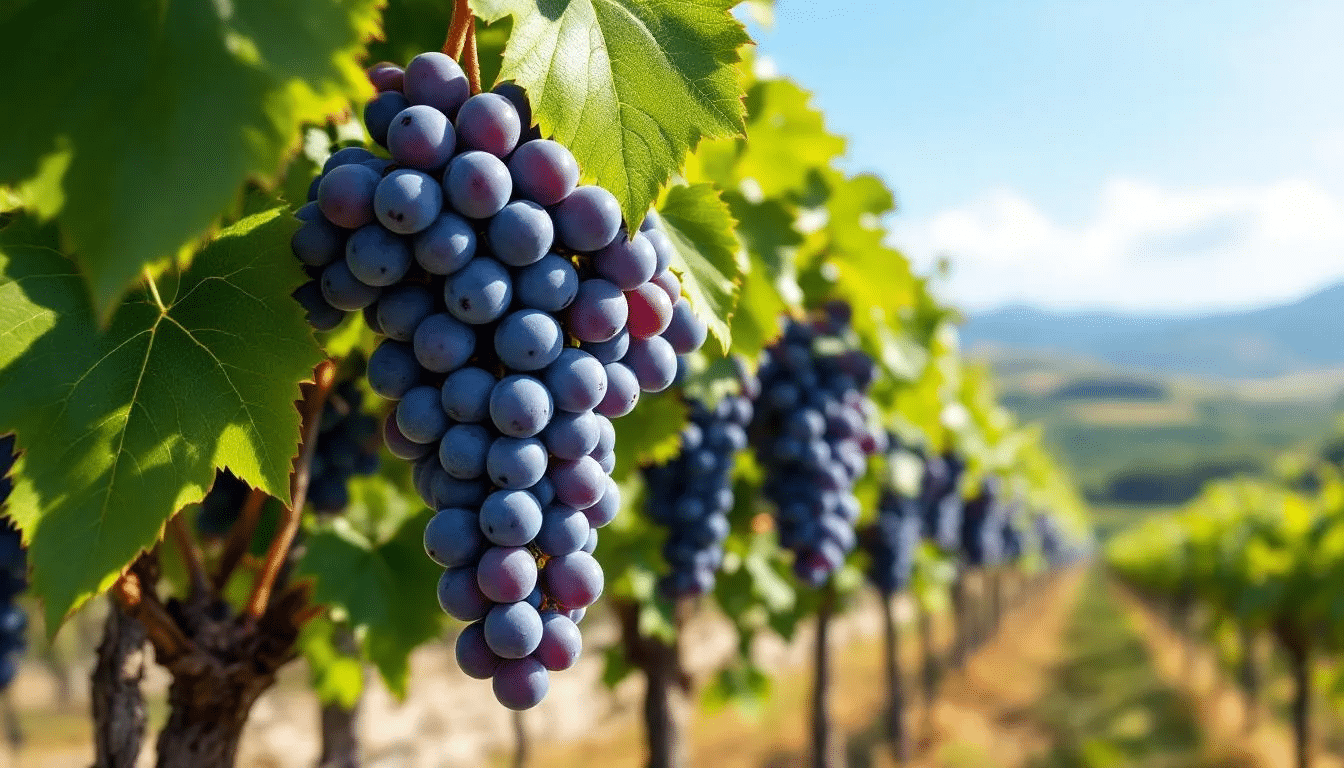
Nielluccio is Corsica’s most important red wine grape variety; it has been part of the island’s viticultural identity for centuries….
definition
Nielluccio is Corsica’s most important red wine grape variety; it has been part of the island’s viticultural identity for centuries. For many years, locals believed it to be indigenous to Corsica; however, DNA analysis in the late 20th century revealed a surprising connection: Nielluccio is genetically identical to Sangiovese, the renowned grape of Tuscany, confirming the grape’s Italian origin and its close relationship to Sangiovese in Italy.
Corsica has a long association with Italian maritime republics, particularly Genoa, which ruled the island from the 13th to the 18th centuries. The grape likely arrived during this period, adapting so completely to Corsican terroir that it developed its own distinct character and local identity. Specific clones of Nielluccio have been identified based on principal ampelographic elements and genetic markers.
Nielluccio is officially listed and regulated as a grape variety in France, underscoring the country’s role in its classification and conservation.
What Makes Nielluccio Unique
Despite sharing DNA with Sangiovese, Nielluccio has evolved its own personality through centuries of adaptation to Corsica’s unique Mediterranean environment. The island’s combination of limestone and granite soils, sea breezes, mountainous terrain, and intense sunlight has shaped the grape into something distinctly Corsican. The specific site of each vineyard, including soil composition and microclimate, plays a crucial role in the development and expression of Nielluccio.
The grape thrives in Corsica’s climate, producing wines that reflect the island’s wild, rugged character. What truly sets Nielluccio apart is how it captures Corsica’s aromatic landscape—the wines often display notes of the island’s maquis (wild scrubland), incorporating herbal and garrigue characteristics that you won’t find in mainland Italian Sangiovese.
Where Nielluccio Grows In The World
Nielluccio’s cultivation is almost exclusively confined to Corsica, where it covers approximately 1,600 hectares. Of these, significant numbers of hectares are planted in the departments of Haute-Corse and Corse-du-Sud, where Nielluccio is most prominent. The grape is rarely found elsewhere, making it a true ambassador of Corsican wine culture.
The most prestigious growing region is Patrimonio AOC in northern Corsica, where limestone slopes produce the most refined expressions of the variety. Other important appellations include:
- Vin de Corse AOC (various sub-regions across the island, with vineyards located in both coastal and inland areas)
- Côteaux du Cap Corse AOC (the northern peninsula)
- Ajaccio AOC (western coast, though Sciaccarellu dominates here)
- Notably, Nielluccio is also present in the south of Corsica, particularly in the Porto-Vecchio area, where it is often blended with other varieties.
Small experimental plantings exist in a few other Mediterranean regions, with trials located in select departments outside Corsica. Nielluccio remains fundamentally a Corsican phenomenon, intrinsically linked to the island’s terroir and traditions.
How Winemakers Use Nielluccio
Winemakers approach Nielluccio with techniques that honor both its Sangiovese heritage and its Corsican character. The grape is often used as a base for blends in certain appellations, serving as the foundational component in the wine’s profile. It is vinified as a single varietal wine and used in blends, depending on the appellation rules and winemaker philosophy.
In Patrimonio, regulations require at least 90% Nielluccio for red wines, often resulting in pure varietal expressions. When blended, it’s typically paired with Sciaccarellu (Corsica’s other important red grape), Grenache, and Vermentino. The list of typical blending partners includes Sciaccarellu, Grenache, and occasionally Vermentino, each contributing unique characteristics to the final blend.
Traditional winemaking involves relatively long maceration periods to extract color and tannins, followed by aging in large neutral vessels or concrete tanks. High-quality Nielluccio requires careful management of maceration and aging techniques to balance its tannic structure and aromatic profile. However, modern producers increasingly experiment with oak aging—using French barriques or larger Slavonian casks—to add structure and complexity to premium bottlings.
The base characteristics of Nielluccio, such as its freshness, tannic structure, and aromatic intensity, guide winemakers in their stylistic choices. The grape responds well to both traditional and contemporary approaches, though most winemakers aim to preserve its characteristic freshness and aromatic intensity rather than pursuing overextraction or heavy oak influence.
Tasting Notes and Wine Specifications
Color: Medium to deep ruby red, often with garnet reflections. With age, the wines develop brick-orange hues at the rim.
Aroma: The nose is aromatic and complex, typically featuring red cherry, wild strawberry, and raspberry. Distinctive herbal notes emerge—think rosemary, thyme, and the wild herbs of the Corsican maquis. You’ll often find hints of violet, leather, and earthy undertones. With oak aging, subtle spice and tobacco notes may appear.
Flavor: On the palate, expect bright red fruit flavors—sour cherry, cranberry, and red plum. The herbal character continues through the mid-palate, accompanied by savory notes of Mediterranean herbs, black pepper, and sometimes a mineral, stony quality. The finish often shows a pleasant bitter-almond note characteristic of Sangiovese-related varieties.
Structure: Medium to full body with lively acidity that keeps the wine fresh and food-friendly. Tannins are firm but generally refined, especially from quality producers in Patrimonio. Alcohol levels typically range from 12.5-14%, providing substance without heaviness.
Aging: Younger Nielluccio wines (under 3 years) are vibrant and fruit-forward, and perfect for everyday drinking. Premium examples from top vintages can age gracefully for 5-10 years, developing greater complexity, softer tannins, and more pronounced earthy and tertiary characteristics.
Food Pairing: Nielluccio’s bright acidity and herbal character make it incredibly versatile with food. Traditional Corsican pairings include wild boar stew (civet de sanglier), herb-crusted lamb, aged sheep’s milk cheeses (especially Brocciu), and charcuterie featuring local coppa and figatellu. It also works beautifully with tomato-based pasta dishes, grilled vegetables with herbs, roasted poultry, and medium-aged hard cheeses, particularly those that complement Nielluccio’s acidity and herbal notes.
Conservation
Saving Nielluccio is important in protecting the unique wine character and production of Nielluccio wines in the future. This grape grows in the sun-soaked vineyards of northern Corsica and is a close cousin to Sangiovese – it is genetically identical to its Tuscan relative. Nielluccio has developed its own special personality thanks to the island’s unique climate, soils, and hundreds of years of careful growing by local farmers.
Corsican winemakers have created a special conservatory in the north of the island. This place is home to about 20 different Nielluccio clones, and each one has been chosen as it adapts to the region’s medium green soils and Mediterranean weather. This variety in genetics is really important because it helps the grape stay strong and adapt to changes in the environment.
Nielluccio vines are trained using the traditional gobelet or cordon systems, which work perfectly with the island’s landscape and the best sun exposure and air flow. Hand-picking enables growers to choose only the best medium-sized berries that have just the right balance of tannins and acidity. Keeping the harvest small and giving the grapes plenty of time to ripen are key tricks that make the wines more complex and structured.
Even though Nielluccio can handle different conditions, it struggles with drought and vine diseases such as flavescence dorée. Nielluccio wines are known for their strong structure, bright acidity, and nicely balanced tannins, making them perfect partners for grilled meats and hearty island food. With the ability to age for 5 to 10 years, these wines get better with time and careful storage.
Today
Nielluccio is experiencing a renaissance as part of the broader revival of Corsican wine culture. A new generation of winemakers is balancing tradition with innovation, producing wines that honor the grape’s heritage while appealing to contemporary palates.
Quality has risen dramatically over the past two decades, with better vineyard management, modern cellars, and more thoughtful winemaking. Patrimonio, in particular, has gained recognition among wine enthusiasts seeking distinctive Mediterranean wines with a sense of place.
The variety benefits from growing interest in indigenous grapes and regional wine identities. Despite its genetic link to Sangiovese, Nielluccio is marketed and appreciated as a uniquely Corsican expression, representing the island’s independent spirit and distinctive terroir.
Should You Try It?
Nielluccio offers excellent value and a unique taste of Corsican terroir that you won’t find elsewhere. If you enjoy Sangiovese-based wines from Tuscany but want something with a different accent—more herbal, more Mediterranean, with that wild maquis character—Nielluccio is calling your name.
The wines are generally food-friendly, age-worthy at the premium level, and moderately priced compared to many Italian reds. For adventurous wine drinkers interested in exploring beyond mainstream varieties, Nielluccio represents an authentic taste of one of the Mediterranean’s most distinctive wine regions.
Conclusion
Nielluccio stands as a fascinating example of how a grape variety can adapt to new terroir and develop a distinct regional identity over the centuries. Though genetically Sangiovese, it has become thoroughly Corsican—shaped by the island’s soils, climate, and culture into something unique and compelling.
The grape produces wines that are simultaneously elegant and rustic, refined yet wild, carrying the aromatic signature of Corsica’s herb-covered hillsides and limestone slopes. In a wine world increasingly dominated by international varieties, Nielluccio offers something genuinely different: a taste of Corsica’s fierce independence and Mediterranean soul in every glass.
Whether you’re a Sangiovese lover curious about its Corsican cousin or simply an explorer of distinctive regional wines, Nielluccio deserves a place in your wine journey.