
Flowers
“Flowers in wine” refers to a wine fault caused by a film-forming yeast that grows on the surface of wine,…
definition
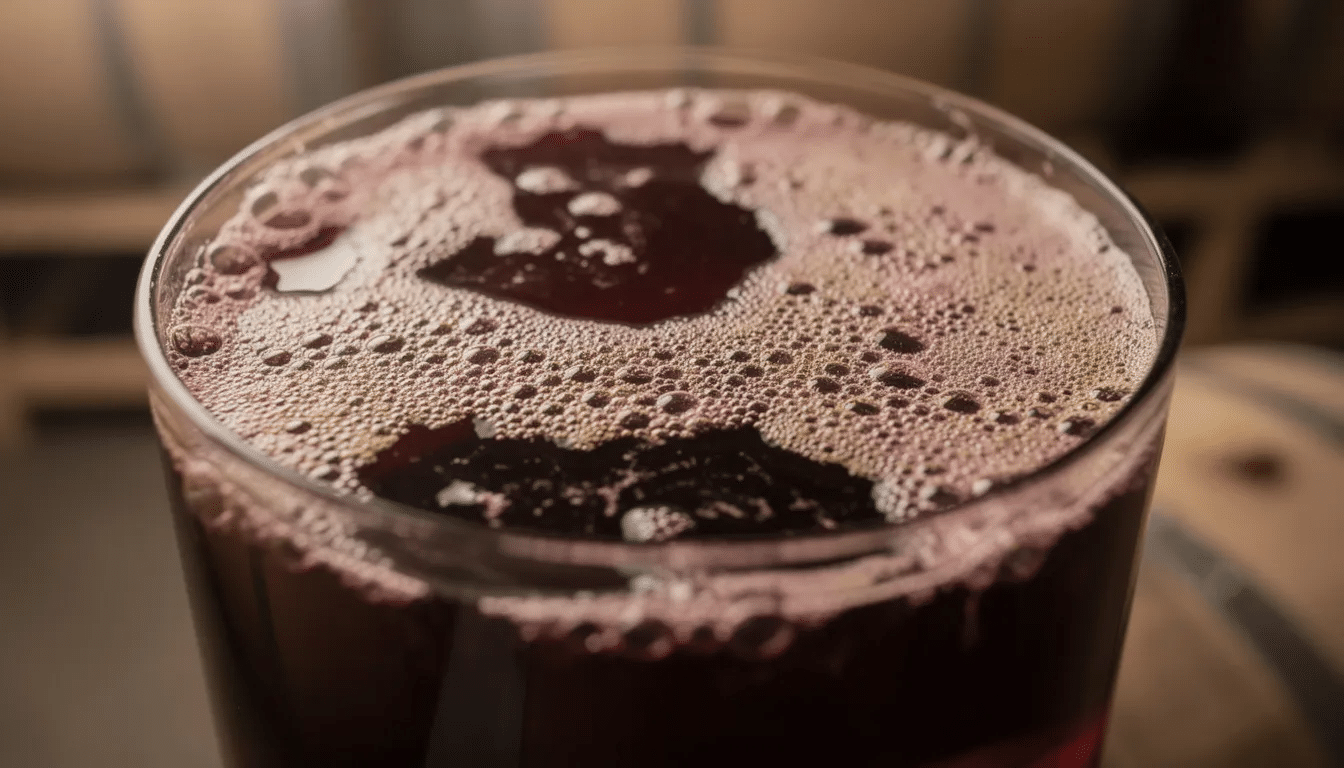
“Flowers in wine” refers to a wine fault caused by a film-forming yeast that grows on the surface of wine, creating a whitish, veil-like layer that resembles the petals of flowers. This condition is known as “flor” when it is intentionally cultivated (in Sherry production); when it occurs unintentionally in table wines, it’s considered a serious defect that compromises wine quality.
The film consists of aerobic yeast species, primarily from the Candida genus, that form colonies on the wine’s surface when conditions allow. Unlike the controlled flor in fortified wines, spontaneous flower formation typically signals inadequate cellar management and can lead to significant wine degradation.
What Causes Flowers in Wine Fault
A combination of several different conditions has to be present for flowers to develop in wine. The primary cause is exposure to oxygen combined with low alcohol content (typically below 15% ABV) and inadequate sulfur dioxide protection. When wine containers are not kept topped up, the air space (ullage) provides oxygen that these surface yeasts need to proliferate.
Temperature also plays a crucial role—warmer cellar conditions (above 15°C/59°F) accelerate yeast growth. Poor sanitation practices, contaminated equipment, or using grapes already carrying high populations of these wild yeasts can introduce the problem. Lactic acid bacteria can metabolize sorbic acid, leading to off-odors reminiscent of crushed geranium leaves.
Wild yeasts and bacteria, which can become infected, are potential sources of spoilage and off-flavors. Grape skins can harbor microorganisms and precursors that contribute to the development of faults. Additionally, wines with residual sugar and low acidity are more vulnerable, as these conditions favor yeast metabolism. High pH levels can also increase the risk of microbial spoilage and wine faults.
The fault commonly occurs in barrels or tanks that haven’t been properly maintained, where wine levels have dropped due to evaporation, or in bottles with faulty corks that allow oxygen ingress over time. Different winemaking techniques can influence the likelihood of developing surface yeast films and other faults. Most winemakers are familiar with these types of faults and take steps to prevent them.
Detection Methods
Detecting wine faults is essential for winemakers and drinkers. There are several reliable methods to identify faulty wines, each offering unique insights into the presence of unwanted aromas, flavors, or textures that can ruin what should be a perfect wine experience.
The most accessible approach is sensory evaluation, where wine drinkers use their senses (sight, smell, and taste) to assess the wine’s appearance, smell, and taste. This method can reveal a range of wine faults, from the unmistakable musty aroma of cork taint (affecting up to 7% of wines with natural corks) to the sharp, vinegary notes caused by acetic acid that makes wine taste like salad dressing.
Sensory evaluation also helps identify subtle issues, such as the burnt rubber scent of hydrogen sulfide, or the cooked cabbage smell linked to TCA taint.
For a more scientific approach, laboratory testing is used to detect specific compounds involved in wine faults with precision that would make any chemistry teacher proud! Labs can measure levels of sulfur compounds, acetic acid, phenolic compounds, and other markers that indicate spoilage or contamination down to parts per million.
Winemaking analysis is another valuable tool, focusing on the techniques and practices used throughout wine production from grape to bottle! By examining factors like the use of oak barrels (which can harbor bacteria if not properly cleaned), secondary fermentation, and malolactic fermentation processes, winemakers can pinpoint exactly where faults may have originated.
For instance, improper management of sulfur dioxide levels (the wine’s natural preservative) or poor sanitation during primary fermentation can lead to the development of off-flavors and aromas. Reviewing these winemaking practices helps prevent future issues and ensures consistency across wine styles, whether you’re making a bold Cabernet Sauvignon or a delicate Pinot Noir.
Blind taste tests are also a popular method, both for training purposes and quality control. In these tests, wine drinkers or professionals sample wines without knowing their identity, sharpening their ability to detect faults such as cork taint, wet dog aromas, or the loss of fresh fruit and floral notes that make wines special.
By combining sensory evaluation, laboratory testing, winemaking analysis, and blind taste testing, both wine drinkers and winemakers can effectively detect and address wine faults.
Wine Smell, Aroma, and Flavors
Once the flowers establish themselves, they metabolize wine components and produce highly undesirable sensory characteristics. The most prominent flaw is the development of acetaldehyde, which imparts a bruised apple, sherry-like, or nutty oxidative character that’s inappropriate in fresh table wines.
Other aromatic compounds include ethyl acetate (nail polish remover, solvent notes) and acetic acid (vinegar), as the yeasts convert ethanol into these volatile substances. The wine may smell musty, yeasty, or fermented in an unpleasant way, with a flatness that suggests the wine has lost its fruit character. Some faults can also impart a Band-Aid aroma, a medicinal, plastic-like off-odor caused by Brettanomyces yeast, which is a clear indicator of microbial wine taints.
Using your nose to assess wine smell is crucial for detecting wine taints and off-flavours. Certain compounds, such as geosmin or hydrogen sulfide, only become noticeable when they exceed their sensory threshold. For example, rotten eggs is a common descriptor for hydrogen sulfide faults, which can make the wine particularly unpleasant.
On the palate, affected wines taste thin, oxidized, and bitter, with sharp acetic notes that create an unbalanced, unappealing drinking experience. The texture becomes watery as the yeasts consume glycerol and other compounds that contribute to the wine’s body and mouthfeel. At this stage, the wine may be considered undrinkable and not safe to consume alcohol.
Sweet wines are particularly susceptible to certain faults, such as those caused by lactic acid bacteria, which can further compromise their aromatic profile. These faults can negatively impact the flavours and make the wine unpleasant to drink.
Conclusion on Wine Faults
Flowers in wine represent a preventable fault that results from inadequate cellar hygiene and oxygen management. While controlled surface yeast films serve valuable purposes in certain wine styles, their spontaneous appearance in table wines signals deterioration that cannot be reversed. Prevention through proper topping, sulfur dioxide management, temperature control, and sanitation remains the only effective strategy, as once established, the sensory damage is typically too severe for the wine to be salvaged for quality consumption.