
Primary Fermentation
Primary fermentation is the initial and most active stage of the winemaking process, where yeastWine yeast is a microorganism essential…
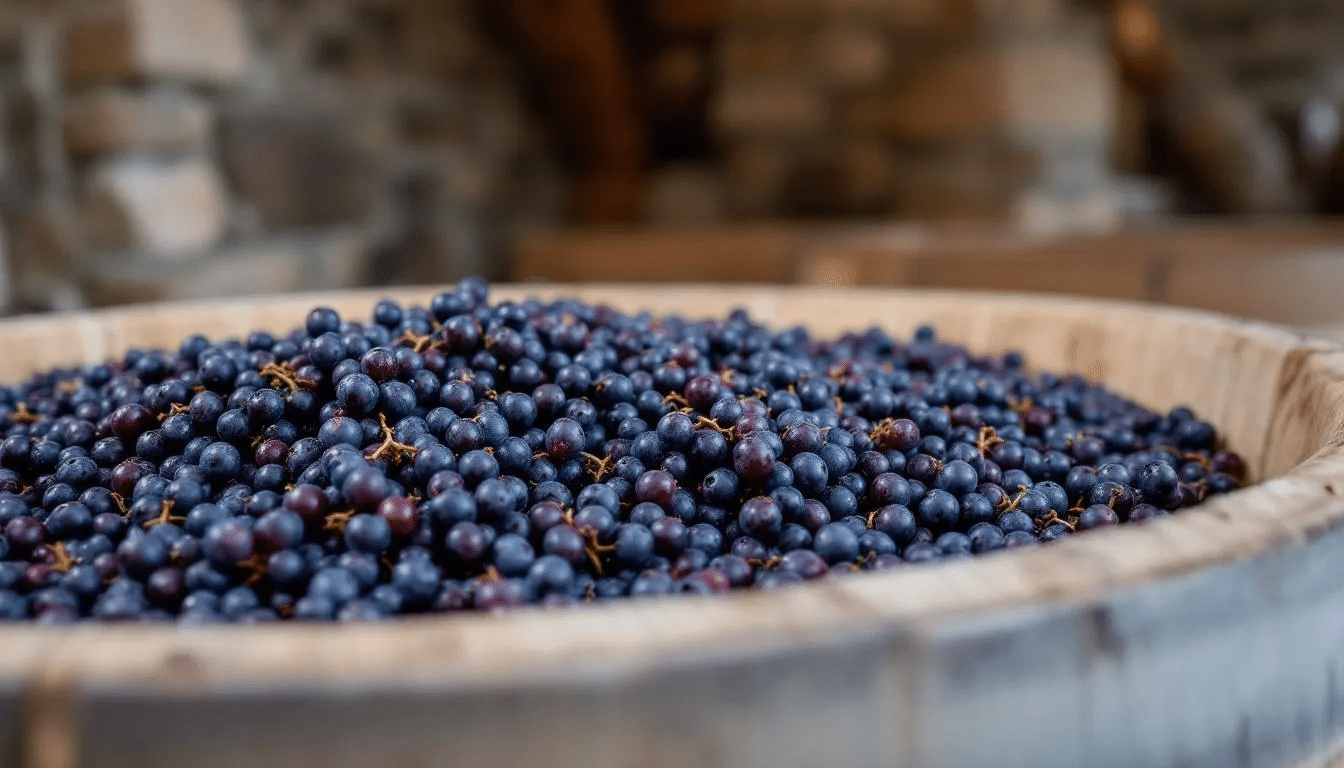
definition
Primary fermentation is the initial and most active stage of the winemaking process, where yeast converts the sugars in grape juice into alcohol and carbon dioxide. This is also referred to as the ‘primary stage’ or ‘first stage’ of the wine-making process. This fundamental transformation is a key part of making wine.
During primary fermentation, yeast cells (either naturally occurring wild yeasts or commercially cultured strains) consume the glucose and fructose present in the grape must. The yeast population grows rapidly during this phase, leading to visible activity such as bubbling and foam. As they metabolize these sugars, they produce ethanol (alcohol), CO2, and heat as byproducts. This process also generates hundreds of secondary compounds that contribute to the wine’s flavor, aroma, and character—including esters, higher alcohols, and other volatile compounds.
The fermentation is called “primary” because it’s the main phase of alcoholic fermentation and is quite dramatic: the must becomes turbulent and foamy as CO2 bubbles vigorously to the surface, and the temperature rises significantly. For red wines, this stage typically occurs with the grape skins still in contact with the juice, extracting color, tannins, and flavor compounds.
Red grapes are often fermented with their skins, and native yeasts present on red grape skins play a significant role in fermentation. White wines are usually fermented after the juice has been separated from the skins. In white winemaking, some wines are barrel fermented, which can influence mouthfeel and flavor. White winemaking involves specific techniques such as separating juice from skins before fermentation.
When it comes to yeast, it is important to include all the yeast in the process to ensure complete fermentation. Throughout the wine-making process, careful monitoring of wine fermentation is crucial for successful winemaking. After primary fermentation, processes like malolactic fermentation may occur to soften acidity, and testing titratable acidity before fermentation begins is important for achieving the desired wine style and stability.
Factors Affecting Fermentation
The journey from grape juice to finished wine is shaped by an amazing balance of science and artistry, and primary fermentation and secondary fermentation are influenced by a whole range of factors that can completely transform the outcome of the wine. Understanding these variables is absolutely key to mastering the winemaking process and crafting wines with the desired flavors, aromas, and textures.
One of the most critical elements is fermentation temperature. For red wines, warmer temperatures (typically 65°F to 75°F) help extract color and tannins from the grape skins, resulting in those robust, full-bodied wines we all love. In contrast, white wines benefit from cooler fermentation temperatures (around 55°F to 65°F), which help preserve delicate fruit and floral notes. If temperatures climb too high, the yeast population can become stressed, leading to off flavors or even a stuck fermentation. Fermenting too cool can slow the process, risking incomplete sugar conversion and unwanted residual sweetness.
Yeast strains also play a pivotal role in shaping the wine’s character. Different yeasts can produce a variety of esters and other compounds, influencing everything from the wine’s aroma to its mouthfeel. Some strains are chosen for their ability to ferment at lower temperatures, making them perfect for white wine fermentations, while others are prized for their toughness in red wine production.
Oxygen exposure is another factor that requires careful management. During the early stages of primary fermentation, a small amount of oxygen helps the yeast cells multiply and establish a healthy fermentation. However, too much oxygen can encourage the growth of unwanted microorganisms and off-flavors. Using an air lock or a primary fermenter with a narrow neck helps control oxygen exposure, protecting wine as it ferments.
The specific gravity of the must – essentially the sugar content of the grape juice – directly impacts the fermentation’s productive phase. Higher sugar levels can fuel a more vigorous fermentation, but they also increase the risk of stuck fermentation if the yeast simply cannot handle all the alcohol being produced. Monitoring specific gravity throughout the process helps ensure that fermentation is progressing exactly as it should and enables winmakers to step in if needed to correct any errors.
Winemaking techniques such as punch downs and the use of oak alternatives can further influence fermentation. Punching down the cap in red wines helps extract more color and flavor from the grape skins, but it also introduces oxygen, which must be managed with great care. Oak barrels or oak alternatives can impart additional complexity to the wine, affecting both the fermentation process and that final taste that makes all the hard work worthwhile!
By paying close attention to these factors – fermentation temperature, yeast strains, oxygen exposure, sugar content, and winemaking techniques winemakers can guide the primary and secondary fermentation stages toward producing wines with truly unique and desirable characteristics. Whether making red wine, white wine, or sparkling wines, understanding and controlling the variables in the fermentation process is key to successful winemaking.
How long does Primary Fermentation Take?
The duration of primary fermentation varies considerably depending on several factors, but typically ranges from 3 days to 2 weeks for most wines. After primary fermentation, the secondary stage—also called secondary fermentation—usually follows. For most wines, secondary fermentation lasts about one to two weeks, during which the activity slows down and the wine begins to clarify.
Key factors affecting fermentation speed include:
Temperature: Warmer fermentations (around 75-85°F or 24-29°C for reds) proceed faster but risk losing delicate aromas. Cooler fermentations (55-65°F or 13-18°C for whites) take longer but preserve more aromatic compounds and freshness.
Yeast strain: Different yeast strains have varying fermentation rates and alcohol tolerances. Some commercial strains are selected specifically for vigorous, quick fermentations, while others work more slowly.
Sugar content: Grapes with higher sugar levels take longer to ferment completely, as there’s simply more sugar for the yeast to convert.
Nutrient availability: Yeast needs nitrogen and other nutrients to thrive. Deficiencies can slow or even halt fermentation.
A typical timeline might look like this: fermentation starts slowly within 12-48 hours after yeast is added, builds to vigorous activity by days 2-4, then gradually slows as sugars are depleted and alcohol levels rise. The winemaker monitors this by measuring the specific gravity (sugar content) of the must daily. Primary fermentation is considered complete when the sugar level reaches the desired point—either fully dry (nearly all sugar converted) or at a specific residual sugar level for sweeter styles. The secondary stage then begins, and secondary fermentation lasts about one to two weeks. It’s important to monitor activity indicators such as bubbling and foam to determine when this phase is complete.
Note that second fermentation can refer to a distinct process, especially in sparkling wine production or back-sweetening, and should not be confused with secondary fermentation.
If malolactic fermentation is performed, it can take several weeks to complete after primary and secondary fermentation.
Conclusion
Primary fermentation is the heart of winemaking, representing the magical moment when grape juice becomes wine. While the basic chemistry is straightforward—yeast eats sugar and produces alcohol—the process is complex and requires careful management. Temperature control, yeast selection, and monitoring are all critical to achieving the desired wine style.
The relatively short duration of primary fermentation belies its importance. These few days or weeks set the foundation for everything that follows, including secondary fermentation (if applicable) and aging. Decisions made during this phase—from fermentation temperature to when to press the skins—profoundly influence the final wine’s body, flavor profile, and aging potential. Understanding primary fermentation helps us appreciate that winemaking is both an ancient art and a precise science, where living organisms and human skill combine to create one of civilization’s most celebrated beverages.