
Rich
Rich wine refers to wines that deliver an intense, full-bodied sensory experience characterized by deep flavors, substantial texture, and often…
definition
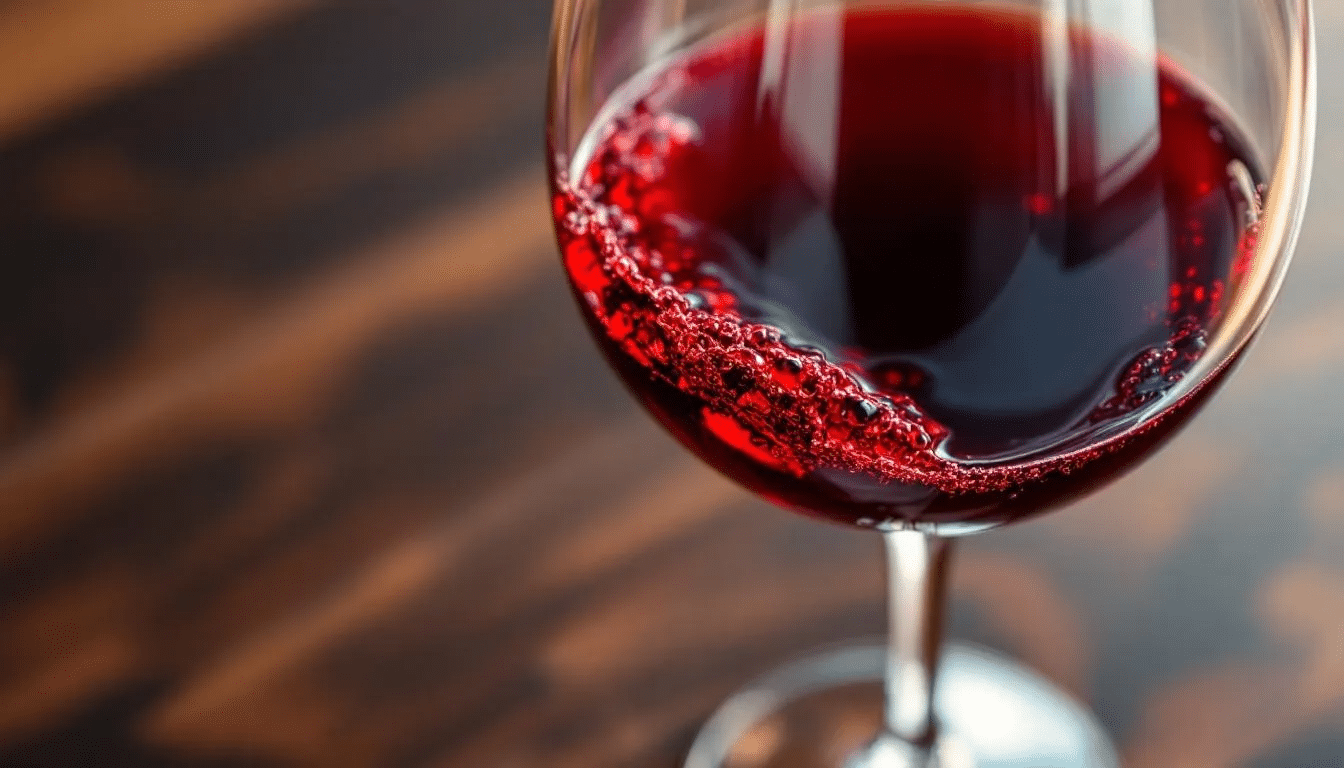
Rich wine refers to wines that deliver an intense, full-bodied sensory experience characterized by deep flavors, substantial texture, and often have a higher alcohol content. Some rich wines are described as fruit-driven, meaning they showcase generous, ripe, and concentrated fruit flavors that create a deep, jammy, and rich tasting profile. These wines feel luxurious and coating in the mouth, leaving a lasting impression on the palate.
What Causes Richness in Wine?
Grape ripeness and sugar content: Grapes harvested at peak ripeness or slightly overripe contain concentrated sugars that ferment into higher alcohol levels and more intense fruit flavors. Extended hang time on the vine allows sugars to accumulate while water evaporates, intensifying flavor compounds.
Winemaking techniques: Wines are often produced using methods such as free-run juice or high extraction techniques, which enhance both flavor and texture. Oak barrel aging adds vanilla, spice, and toasted notes that can contribute to a fuller mouthfeel. Malolactic fermentation converts sharp malic acid into softer lactic acid, creating a creamier texture. Extended maceration extracts more tannins, color Wine color refers to the visual appearan… More, and flavor compounds from grape skins.
Climate and terroir: Warm, sunny growing regions produce grapes with higher sugar levels and more concentrated flavors. Limited water availability can stress vines, producing smaller berries with higher skin-to-juice ratios and more concentrated flavors.
Alcohol content: Higher alcohol levels (typically 14-16% or above) contribute to viscosity and a warming sensation, enhancing the perception of richness and body.
Where This Characteristic Is Most Common
Rich wines are predominantly found in specific regions and from particular grape varieties:
Warm climate regions: California’s Napa Valley, Australia’s Barossa Valley, Argentina’s Mendoza, Spain’s Priorat, and southern France’s Châteauneuf-du-Pape are renowned for producing rich, powerful wines. These areas feature consistent sunshine and warmth that promote grape ripeness.
The specific vineyard site and viticultural practices also play a crucial role in shaping the richness and character of the wine, as the unique qualities of each vineyard contribute to the wine’s distinct profile and prestige.
Grape varieties: Red varieties such as Cabernet Sauvignon, Syrah/Shiraz, Malbec, Grenache, and Zinfandel naturally produce rich wines. White varieties such as Chardonnay (especially oaked versions), Viognier, and late-harvest Riesling can also achieve remarkable richness.
Specific wine styles: Amarone della Valpolicella uses dried grapes to concentrate sugars and flavors. Port and other fortified wines achieve richness by the addition of spirits and residual sugar. Super Tuscans and other premium blends often emphasize power and concentration.
Is It a Default?
Richness is not a default characteristic of all wine—it represents one winemaking approach. Wine exists on a broad spectrum from light and delicate to rich and powerful, with no single style being inherently superior.
The wine world has actually seen a pendulum swing regarding richness. In the late 1990s and early 2000s, a trend toward increasingly rich, high-alcohol wines was influenced by the preferences of wine critics. However, recent years have brought renewed appreciation for lighter, more elegant styles with lower alcohol and greater freshness. Many winemakers now pursue balance rather than maximum wine richness in response to consumer preferences and concerns about the impact of climate change on how grapes ripen.
How Does It Affect The Wine Drinking Experience?
Flavor profile: Wines typically showcase ripe or cooked fruit flavors that are often backed by the wine’s sweetness or other supporting qualities, creating a balanced and lasting impression. Dark fruits, chocolate, coffee, and spice dominate over bright citrus or floral characteristics. The intensity means flavors persist long after swallowing.
Food pairing: Wines pair best with equally substantial foods such as grilled steaks, braised meats, aged cheeses, and cream-based sauces. They can overwhelm delicate dishes such as fish or light salads. The higher alcohol and fuller body require heartier fare to achieve balance.
Aging potential: Wines often possess the structure to age for extended periods. High tannins, alcohol, and concentration act as preservatives, though not all rich wines are designed for cellaring.
Drinking occasion: These wines tend to be contemplative, meant for thoughtful, slow sipping rather than casual consumption. Their intensity makes them less refreshing in warm weather, as they are better suited for rich foods and cooler weather.
Wine Appreciation
Rich wines such as Cabernet Sauvignon and Pinot Noir offer a depth and complexity that transform a simple glass into an experience. Whether it’s the layered, fruity taste of a Châteauneuf du Pape or the bold, spicy kick of a Napa Valley Zinfandel, each wine has its own story to tell.
White wine offers amazing richness in a well-made Chardonnay, where the balance of sweetness, acidity, and body creates a taste that’s both complex and welcoming. Wine from different vineyards—whether they’re tucked away in California’s Sonoma and Napa Valley or sitting on Italy’s famous hills—lets enthusiasts discover the hard work and history behind every single bottle.
Conclusion
Rich wine represents a distinct and celebrated style characterized by intensity, full body, and concentrated flavors. While warm climates and specific winemaking choices promote richness, it is one stylistic choice among many valid approaches to winemaking—not a universal standard or default. The best wine is ultimately the one that matches personal taste preferences and the occasion. Whether it is the power of a rich Napa Cabernet or the elegance of a lighter Burgundy, understanding what creates richness helps wine drinkers make more informed choices and appreciate the remarkable diversity of the wine world.