
Blanc de Blancs
Blanc de Blancs is a French term that literally translates to “white from whites,” referring to sparkling wines made exclusively…
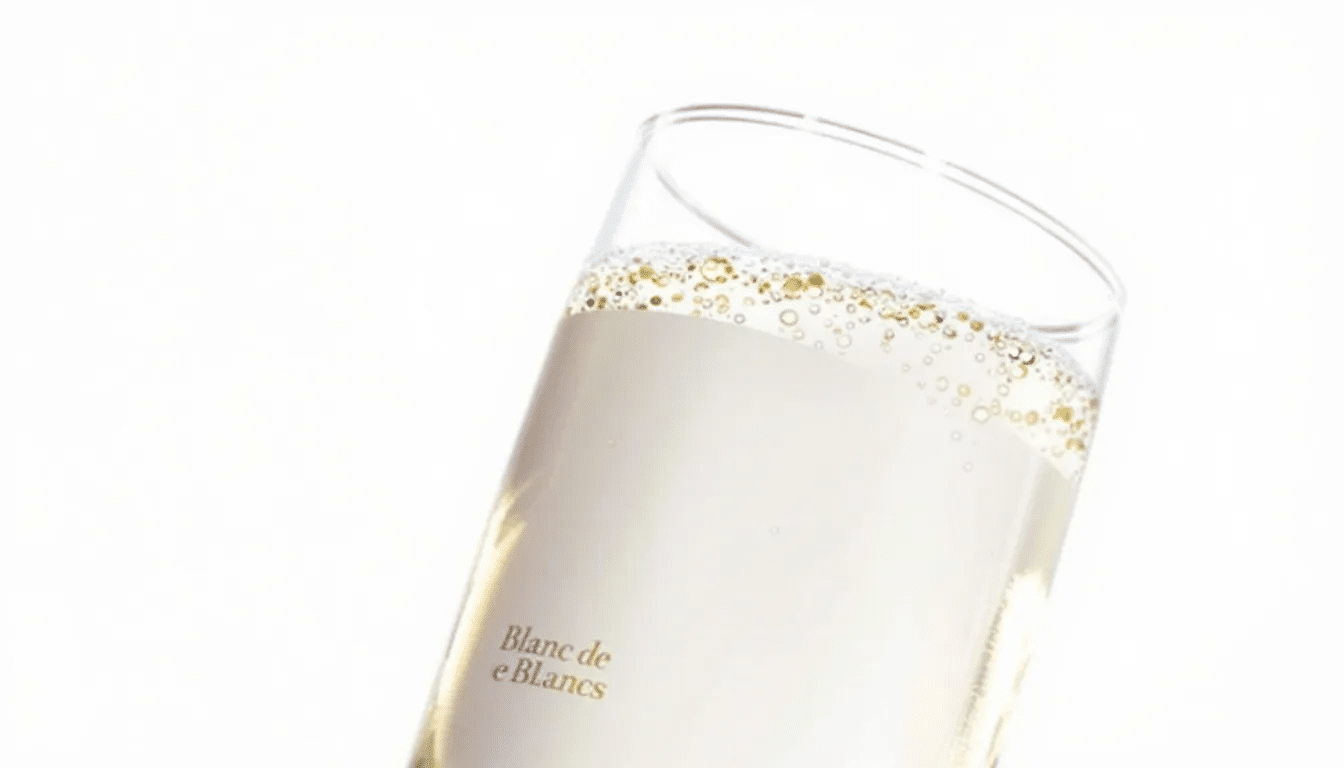
definition
Blanc de Blancs is a French term that literally translates to “white from whites,” referring to sparkling wines made exclusively from white grape varieties. This style represents one of the purest expressions in sparkling wine production, where the character and elegance of white grapes shine without influence from red varieties.
The term is most commonly associated with Champagne, and refers to wines made solely from Chardonnay grapes. However, the concept extends beyond Champagne to other sparkling wine regions worldwide, where producers craft elegant, refined bubbles using only white grape varieties.
Blanc de Blancs wines are prized for their finesse, minerality, and aging potential. They typically exhibit bright acidity, citrus flavors, and a crisp, clean profile that showcases the purity of the white grapes used in production.
How is it made?
The production of Blanc de Blancs follows the traditional méthode champenoise (Champagne method) or similar techniques for creating sparkling wine, with the crucial distinction being the selection of grapes.
Grape Selection and Pressing: Only white grapes are used, with Chardonnay being the most common choice in Champagne. The grapes are gently pressed to extract clear juice.
Primary Fermentation: The grape juice undergoes its first fermentation in stainless steel tanks or oak barrels, converting sugars to alcohol and creating a still base wine.
Blending: Winemakers may blend wines from different vineyards, vintages (for non-vintage styles), or reserve wines to achieve the desired house style and consistency.
Secondary Fermentation: The blended wine is bottled with added yeast and sugar (tirage), initiating a second fermentation in the bottle. This process creates the characteristic bubbles and increases alcohol content.
Aging on Lees: The wine ages on its lees (dead yeast cells) for a minimum period of 15 months for non-vintage Champagne, longer for vintage expressions. This aging contributes complexity, texture, and distinctive brioche-like flavors.
Riddling and Disgorgement: The bottles are gradually rotated and tilted to collect sediment in the neck, which is then frozen and removed (disgorged). A small amount of wine and sugar (dosage) is added to balance acidity before final corking.
What Wines Are Blanc de Blancs?
Champagne: The most prestigious examples are from Champagne, France, and made exclusively from Chardonnay. Notable producers include Dom Pérignon, Krug, Pol Roger, and Billecart-Salmon. The Côte des Blancs region is famous worldwide for the wines made from the grapes that are grown in the villages of Avize, Cramant, and Le Mesnil-sur-Oger, renowned for their Blanc de Blancs wine.
Crémant: French sparkling wines outside Champagne, such as Crémant de Loire or Crémant de Bourgogne, often produce Blanc de Blancs using regional white varieties like Chenin Blanc, Chardonnay, or Aligoté.
Cava: Spanish producers create Blanc de Blancs using traditional varieties such as Macabeu, Parellada, and Xarel-lo, or international varieties like Chardonnay.
California Sparkling Wine: Producers in Sonoma, Napa, and Anderson Valley craft Blanc de Blancs primarily from Chardonnay, with notable examples from Schramsberg, Roederer Estate, and Domaine Carneros.
Other Examples: Australia, New Zealand, England, and South Africa produce quality Blanc de Blancs, typically featuring Chardonnay as the primary grape variety.
Conclusion
Blanc de Blancs represents sparkling wine at its most refined and elegant, showcasing the pure expression of white grape varieties without the influence of red grapes. Whether from the prestigious chalk soils of Champagne or emerging sparkling wine regions around the world, these wines demonstrate how the careful selection of white grapes and traditional production methods can create beverages of exceptional finesse and complexity.
From mineral-driven Chardonnays from Champagne’s Côte des Blancs to the innovative interpretations of New World producers, Blanc de Blancs continues to evolve while maintaining its core identity as the purest expression of white grape sparkling wine craftsmanship.
For those seeking wines with bright acidity, elegant structure, and excellent aging potential, Blanc de Blancs represent one of the most compelling and sophisticated styles of sparkling wine.