
Véraison
Véraison is arguably one of the most important phases in grape development, marking the transition from berry growth to ripening….
definition
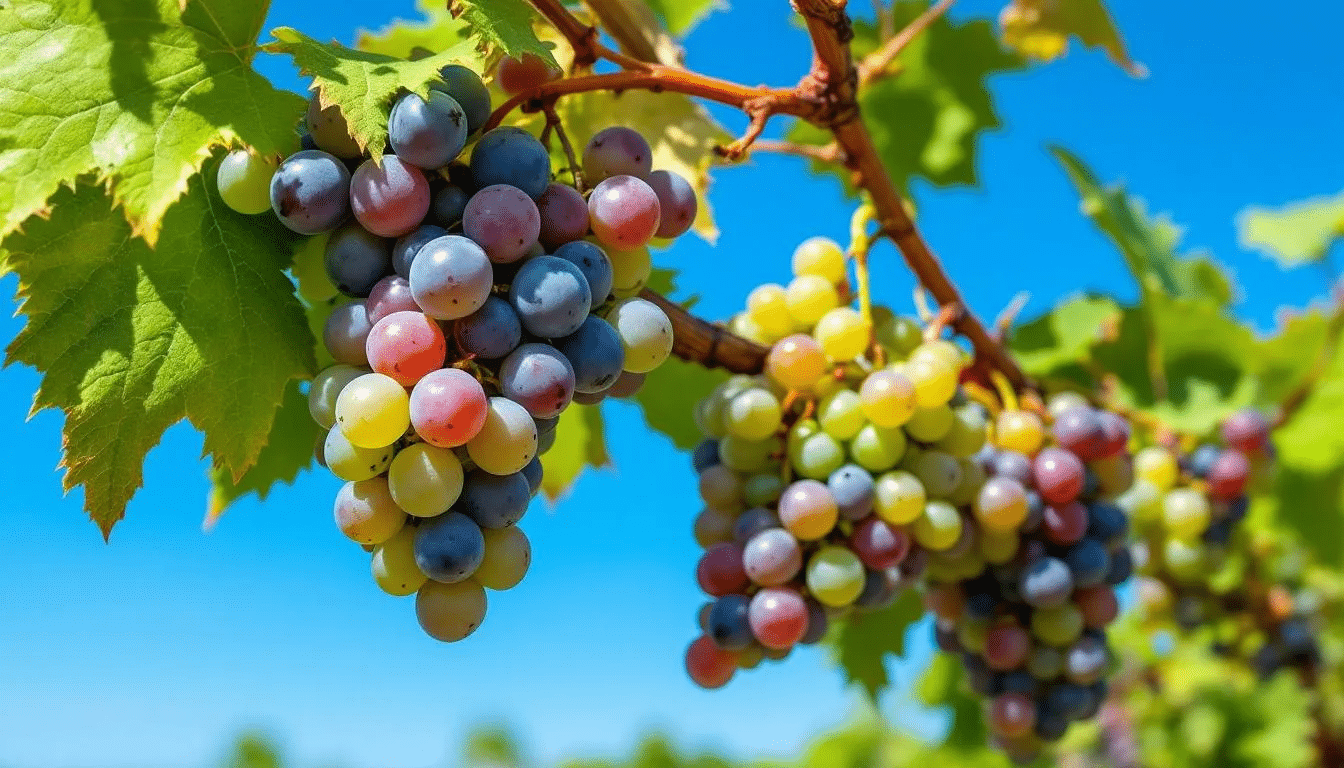
Véraison is arguably one of the most important phases in grape development, marking the transition from berry growth to ripening. The term comes from the French word “véraison,” derived from “virer,” meaning “to change color.” This dramatic transformation is one of the most visually striking and significant moments in the vineyard calendar.
What Causes Véraison?
A complex interplay of physiological and environmental factors triggers véraison. During this stage, the grapes are changing in color, texture, and composition as they transition toward ripeness:
Hormonal Changes: The onset is primarily controlled by plant hormones, particularly abscisic acid (ABA) and ethylene. These hormones signal the grape berries to begin the ripening process. At the same time, auxins (growth hormones) decrease, which slows cell division and expansion.
Accumulation of Sugars: As the process begins, the vine redirects its resources toward ripening the berries, reallocating energy from its vegetative growth to the fruit. Photosynthesis in the leaves produces sugars that are transported to the berries, where they accumulate rapidly.
The roots play a crucial role in supplying energy and nutrients to the developing berries. This sugar accumulation is both a cause and effect of véraison—the hormonal changes enable sugar transport, while rising sugar levels reinforce the ripening process.
Environmental Triggers: Temperature, sunlight exposure, and water availability all influence the timing and progression of véraison. Warm temperatures generally accelerate the process, while adequate sunlight is crucial for color development in red grape varieties. Vineyard management practices, such as irrigation and canopy management, can also affect when it occurs.
Genetic Programming: Each grape variety has its own genetic timetable, which is why different varieties ripen at different times, even if they grow in the same vineyard conditions. The number of days from the onset of véraison to harvest can vary depending on grape variety and environmental conditions.
Physiological Changes
Grape berries undergo a transformation that marks the shift from growth to ripening. As grapes begin this critical phase, one of the most significant changes is the rapid build-up of sugars, particularly glucose and fructose. This sugar accumulation is vital, as it provides the sweetness and potential alcohol content that define the character of the finished wine.
For red grapes, véraison represents the start of anthocyanin production—these are the pigments responsible for the dramatic change in color from green to vibrant red or deep purple. In contrast, white grapes experience an increase in carotenoids, which gradually replace the green hue with translucent yellow or golden tones. These color changes are not just visual cues—they signal the development of complex flavors and aromas that will ultimately be expressed in the wine.
The ripening process during véraison is heavily influenced by temperature, climate, and grape variety. For example, Pinot Noir grown in cooler climates tends to ripen more slowly, allowing for a longer development of nuanced aromas and flavors. The same variety in warmer climates may ripen faster creating different taste profiles. This interplay between grape variety and environment is a key factor in the diversity of wines produced in wine regions worldwide.
As véraison progresses, the vine shifts its energy consumption away from photosynthesis and vegetative growth, focusing instead on ripening the berries. This increased energy demand ensures that the grapes develop the sweetness and complexity needed for premium wine production. For winemakers, this stage is a crucial moment in the harvest season, as it helps determine the optimal time to harvest the grapes for the best balance of sugar, acidity, and flavor.
However, not all grape varieties ripen evenly. Uneven ripening, known as millerandage, can occur in varieties like Sangiovese, resulting in bunches with berries at different stages of maturity. This can pose real challenges for growers and may affect the overall quality of the wine, as some berries may be under- or overripe at harvest time.
The physiological changes that occur during véraison are crucial for the development of the complex flavors and aromas that distinguish great wines! As the berries ripen, they also become more susceptible to other stresses, such as birds and diseases, making careful monitoring by growers essential to protect the crop and ensure optimal ripening.
The French term “veraison” (veh-ray-zohn) is widely recognized in viticulture as a defining stage in the life of wine grapes. Whether it’s Chardonnay, Pinot Noir, or another grape variety, the onset of véraison signals the beginning of the final ripening process before harvest. By understanding and managing these physiological changes, winemakers and growers can produce wines that express the unique qualities of their grape varieties and regions.
Why is Véraison Important?
Véraison is a pivotal milestone that influences every aspect of wine quality and production:
Timing the Harvest: Véraison typically begins 40-50 days before harvest, giving winemakers a reliable indicator to plan their harvest schedule. Grapes are harvested once they reach optimal ripeness. Careful monitoring is essential to produce high-quality wines.
Quality Indicators: The uniformity and speed of véraison across a vineyard can signal the potential quality of the vintage. Even synchronized véraison usually indicates healthy vines and good growing conditions, while uneven véraison may suggest stress or imbalances that could affect wine quality. The conditions during véraison can result in different wine characteristics, impacting flavor balance and overall quality.
Flavor Development: During véraison, grapes undergo profound chemical changes. Acids (particularly malic acid) decrease while sugars increase. Tannins soften and become less astringent. Aromatic compounds begin to develop, laying the foundation for the wine’s eventual flavor profile.
Color Transformation: For red wine grapes, véraison causes anthocyanins (color pigments) to accumulate in the skins, transforming berries from green to red, purple, or black. The intensity and quality of this color development directly affect the wine’s color potential.
Vineyard Management Decisions: Véraison prompts critical decisions about crop thinning, irrigation, and canopy management. Many winemakers perform “green harvest” (removing excess grape clusters) around véraison to concentrate the vine’s energy into fewer, higher-quality bunches.
Vulnerability Period: The softening berries become more susceptible to pests, diseases, and weather damage. Winemakers monitor their vineyards very closely during this period and may need to adjust their protection strategies.
The timing of véraison varies by region due to differences in climate and location, so vineyard management practices are tailored to each region to optimize grape development and harvest timing.
Conclusion
Véraison represents a fundamental turning point in the grape’s life cycle and the winemaker’s year. This remarkable transformation—from hard, green, acidic berries to soft, colored, sugar-rich fruit—is not merely a cosmetic change but a profound biochemical shift that determines the wine’s ultimate character.
Understanding and observing véraison allows winemakers to make informed decisions about vineyard management and harvest timing, ultimately shaping the quality and style of wine in the bottle.