
Austere
An austere wine presents a lean, restrained, and serious character. These wines prioritize structure, purity, and mineral qualities over overt…
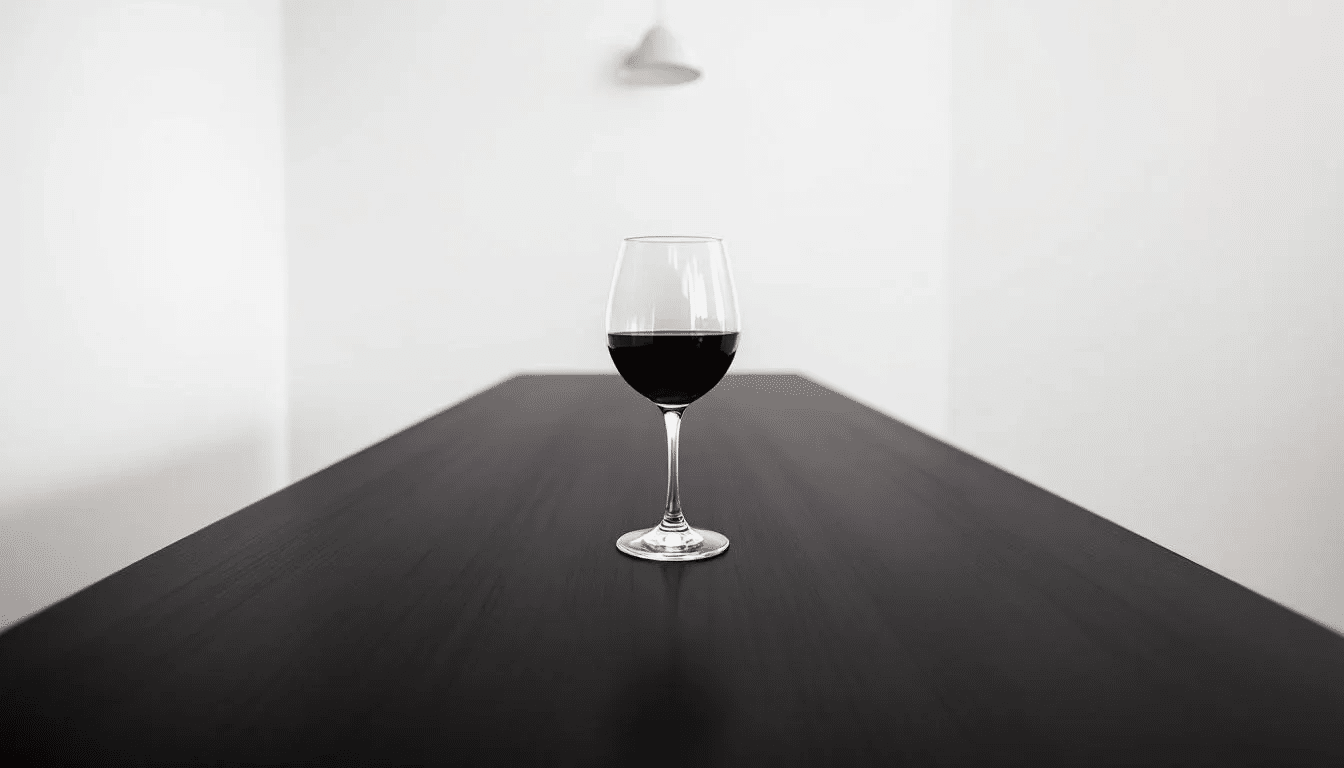
definition
An austere wine presents a lean, restrained, and serious character. These wines prioritize structure, purity, and mineral qualities over overt fruitiness or richness. The term “austere” in wine terminology refers to a deliberate style that many connoisseurs deeply appreciate for its elegance and aging potential. Many classic French wines are known for their austere style.
Key Characteristics
Minimal Fruit Expression: Austere wines showcase subtle, restrained fruit flavors rather than bold, ripe, or jammy notes.
High Acidity: Sharp, crisp acidity creates a bracing, mouth-watering quality that can feel almost tart. These wines are often described as acidic, which enhances their freshness and structure.
Prominent Tannins (in reds): Firm, grippy tannins create a dry, structured mouthfeel that can seem severe when young.
Mineral Character: Stony, chalky, or flinty notes often dominate, reflecting the terroir where the grapes were grown.
Lack of Opulence: These wines avoid richness, sweetness, or creamy textures. They’re linear rather than round, skeletal rather than fleshy.
Light Body and Lean Weight: Austere wines are typically light-bodied and have a lean weight on the palate, contributing to their sense of restraint and delicacy.
Moderate Alcohol: These wines usually have moderate alcohol levels, which support their overall structure without adding excess heat or fullness.
Concentration of Subtle Flavors: While austere wines may seem restrained, they can still possess a high concentration of subtle flavors and aromas, offering depth and complexity beneath their reserved exterior.
Age-Worthiness: The tight structure means austere wines often need time to soften and reveal their complexity. The balance between acidity, tannins, alcohol, and other elements is key to their ability to age gracefully.
Common Examples
- Chablis (unoaked Chardonnay from Burgundy) – steely, mineral-driven whites
- Young Barolo – tannic, tart cherry, and rose petal notes
- Muscadet – lean, saline Loire Valley whites
- Sancerre and Pouilly-Fumé – crisp, flinty Sauvignon Blancs
- Northern Rhône Syrah
 Syrah is a full-bodied red wine and is o… More (Cornas, Hermitage) – peppery, austere reds with firm tannins
- Mosel RieslingRiesling is one of the world’s most nobl… More (dry styles) – razor-sharp acidity with mineral backbone
- AlbariñoAlbariño: An Exciting Refreshing White W… More – bracing, citrus-driven Spanish whites


The timing of the harvest is a critical factor in determining the austere style of many of these wines, as it influences acidity, structure, and overall balance.
Taste
When tasting an austere wine, expect:
- First Impression: A sense of restraint and tightness rather than immediate pleasure; the aroma may be subtle or muted at first.
- Palate: Drying sensation from tannins or acidity; the wine may seem “hard” or “closedClosed wine (also called a “dumb phase” … More.”
- Flavors: Green apple, lemon, chalk, wet stone, unripe berries, herbs, with possible notes of spices and even a delicate perfume in some examples.
- Finish: Clean, crisp, often with a mouth-puckering quality.
- Texture: Lean and angular, with little to no mid-palateThe mid-palate refers to the sensations … More richness.


Austere Wine Regions
Some wine regions around the globe have become famous for wines that are celebrated for their stern, no-nonsense qualities, producing young wines with sharp acidity and robust tannins. They have a serious, sometimes tough character that can surprise people who expect immediate fruit flavors or smooth textures.
Bordeaux, Burgundy, and Barolo are among the most famous regions for stern red wines that pack a punch. In Bordeaux, the marriage of Cabernet Sauvignon and Merlot grapes results in wines with a serious tannin backbone and sharp acidity.
These qualities can make the wines seem hard or locked up when they’re young. Over time, these wines will express rich flavors, incredible depth, and a complex nose, which is common in Burgundian Pinot Noir and Barolo’s Nebbiolo grapes. These varieties are renowned for producing tight red wines, mineral-driven, with restrained fruit that gradually softens and develops richness and texture with extended aging.
White wines from regions such as Chablis in France and parts of Austria are celebrated for their crisp, light-bodied, and mineral-packed styles. Chablis (made from Chardonnay grapes) is a perfect example of a white wine with high acidity and a lean, almost severe taste.
These wines often express notes of citrus, green apple, and stony flavors, with a less creamy texture or obvious sweetness. Austrian whites (particularly those made from Grüner Veltliner) also feature lively acidity and a clean, refreshing finish that can cut through rich foods and really highlight the wine’s austere qualities.
Winemaking techniques that create austere characteristics:
• Extended maceration – keeping the grape skins in contact with the juice longer
• Fermentation in barrels – using oak containers instead of steel tanks.
• Careful grape selection – choosing varieties that naturally have structure.
All of these contribute to the wine’s backbone, acidity, and potential for aging (sometimes for decades!). The influence of oak can add subtle vanilla notes and a touch of creamy texture, balancing the wine’s natural sternness without covering up its pure character.
Words like “hard,” “tight,” “closed,” and “stubborn” are often used to describe austere wines, referring to their firm tannin structure and bracing acidity, which enables a wine with the potential to age gracefully and develop a rich, layered flavor profile over time. The initial severity is seen as a sign of quality and longevity, rather than a problem.
For those willing to wait and explore, the austere wine regions of the world provide a treasure trove of bottles that reward patience with evolving aromas, flavors, and a sense of place that is truly one-of-a-kind. These wines tell a story that unfolds over years, sometimes decades – and that’s what makes them so special!
Austere vs. Approachable Wines
| Austere | Approachable |
|---|---|
| Restrained fruit | Generous, ripe fruit |
| High acidity/tannins | Softer, rounder structure |
| Mineral-driven | Fruit-forward |
| Requires contemplation | Immediately pleasurable |
| Often needs aging | Ready to drink now |
| Bone-dry | May have touch of sweetness |
| Examples: Chablis, young Barolo | Examples: California Chardonnay, Malbec |
Food Pairing Difference: Austere wines excel when paired with food, especially seafood, lean proteins, and dishes with high acidity. Their lighter weight makes them especially suitable for pairing with delicate dishes, as they won’t overpower subtle flavors. In contrast, wines with high alcohol and fuller body can have more weight and may overwhelm lighter foods, making them better suited for richer, more robust dishes. Approachable wines are easier to enjoy on their own.
Conclusion
Austere wines represent a classic, terroir-focused style that values restraint over exuberance. While they may not offer immediate gratification, these wines reward patience and thoughtful tasting. They’re particularly beloved by wine enthusiasts who appreciate purity of expression, regional character, and the way a wine can evolve dramatically with age or the right food pairing. If you’re new to austere wines, start with food-friendly examples like Chablis or Muscadet alongside oysters or fish—the pairing often unlocks what makes these wines so compelling.