
Bouquet
A wine bouquet refers to the complex array of aromas that develop in wine as it ages and matures. It’s…
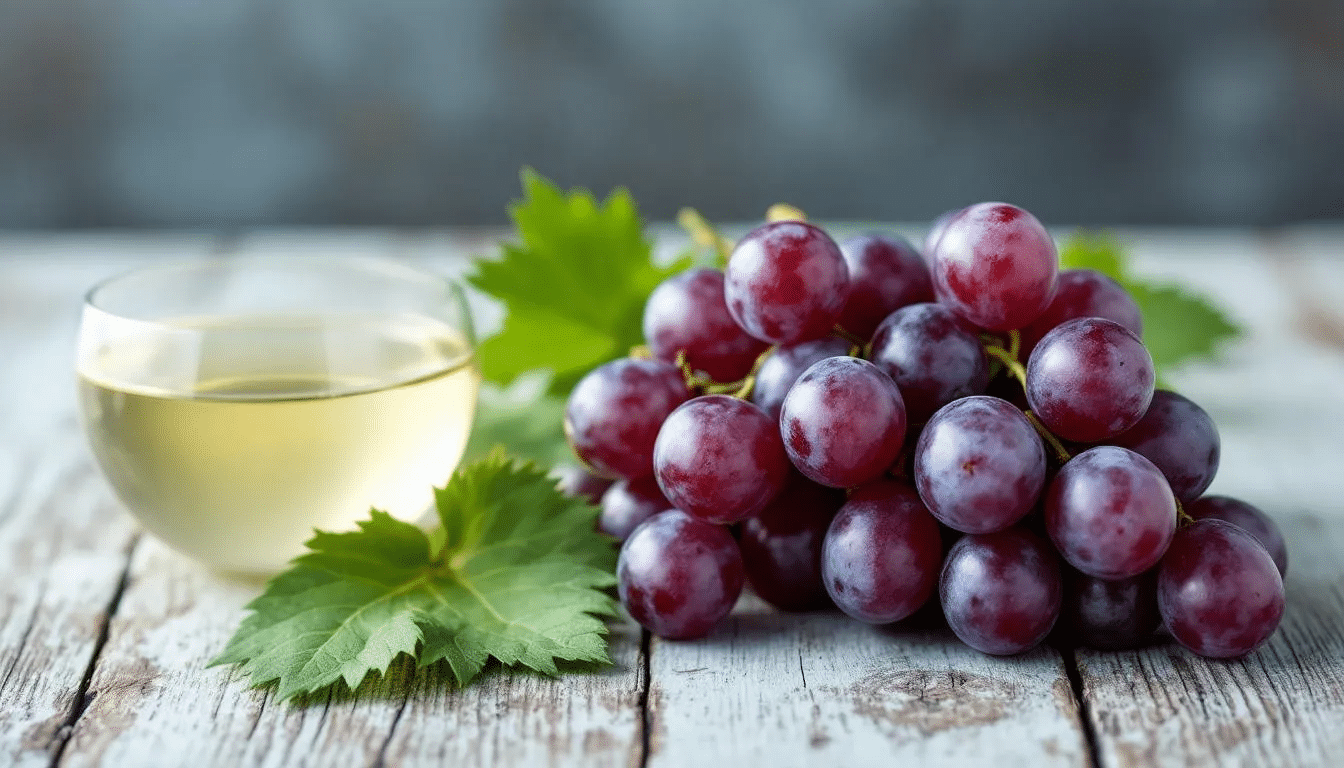
definition
A wine bouquet refers to the complex array of aromas that develop in wine as it ages and matures. It’s distinct from a wine’s “aroma,” which describes the fresh, primary scents that come directly from the grape variety itself (like fruity or floral notes). The broader concept of wine aromas includes the initial scents from the grape and the more complex notes that develop over time.
The bouquet, on the other hand, encompasses the secondary and tertiary aromas that emerge through fermentation and aging processes. The aromas found in a wine’s bouquet encompass a wide range of scents produced by different winemaking stages, contributing to the overall sensory experience.
The aroma is the wine’s youth, the bouquet is its maturity and experience. Primary aromas may include raspberry or citrus, secondary aromas such as butter or toast can develop during fermentation, and tertiary aromas like leather or mushroom appear with aging. Secondary and tertiary aromas are key to understanding the full complexity of a wine’s bouquet.
How Is The Wine Bouquet Created?
Fermentation Control: The choice of yeast strains and fermentation temperature influences which aromatic compounds develop. Some yeasts produce more esters (fruity aromas), while others emphasize different characteristics. Alcohol is produced during fermentation as a byproduct, and it plays a significant role in developing the wine’s aroma profile. The type of yeast used and fermentation conditions affect the intensity and type of aromas present in the finished wine.
Oak Aging imparts complex flavors such as vanilla, toast, smoke, and spice. The type of oak (French, American, Hungarian), the level of barrel toasting, and the age of the barrels all contribute unique characteristics to the bouquet. Aroma compounds from oak are present in varying levels, influencing the complexity of the bouquet.
Malolactic Fermentation is the secondary fermentation that converts sharp malic acid into softer lactic acid, adding buttery, creamy notes to the bouquet, particularly in wines like Chardonnay.
Bottle Aging allows wine to undergo slow oxidation and chemical reactions, depending on how long the wine remains in the bottle before being opened. Tannins soften, acids integrate, and new aromatic compounds form, creating layers of complexity—dried fruits, nuts, mushrooms, and earthy notes.
Blending different grape varieties, vineyard plots, or barrel lots enables winemakers to create wines with more complex and balanced bouquets than any single component could achieve.
Lees Contact (dead yeast cells) with wine after fermentation adds textural richness and aromatic complexity, often contributing brioche, bread dough, or nutty characteristics. The Maillard reaction can also contribute secondary and tertiary aromas, such as toasted or bread-like scents.
Characteristics
Tertiary Aromas: These develop with extended aging and include earthy notes (mushroom, truffle, forest floor), savory elements (leather, tobacco, game), evolved fruit character (dried fruits, fig, prune), and floral notes such as roses.
Complexity and Layers: A well-developed bouquet reveals itself gradually, offering multiple layers of aroma that evolve as the wine opens up in the glass. You might notice different scents on first sniff versus ten minutes later. Certain bouquets can evoke a particular season, such as spring blooms, enhancing the wine’s connection to time and occasion.
Integration: In a mature wine, there is harmony—no single element dominates, but rather all components blend seamlessly together.
Oxidative Notes: Controlled oxidation during aging can add desirable characteristics such as nuttiness, caramel, or toffee, particularly in wines like Sherry, Tawny Port, or aged white Burgundy.
Spice and Wood Influences: Oak aging contributes characteristics like vanilla, clove, cinnamon, cedar, and smoke that integrate with the wine’s fruit character over time.
Minerality: Some wines develop mineral notes—wet stone, chalk, flint, reflecting both terroir and aging evolution.
Conclusion
The wine bouquet represents one of the most fascinating and complex aspects of winemaking artistry. It transforms simple grape juice into a sophisticated beverage with layers of aromatic intrigue. While winemakers can guide and influence bouquet development through their choices in fermentation, aging vessels, and time, the final result remains partly mysterious—a beautiful interplay between human intention and natural chemistry.
Understanding wine bouquet enhances appreciation for aged wines and highlights why certain bottles command premium prices and cellar time. The next time you encounter a well-aged wine, take a moment to explore its bouquet—swirl, sniff, and discover the aromatic journey from vineyard to glass. The bouquet is ultimately wine’s signature, a unique aromatic fingerprint that tells the story of its creation, evolution, and character.