
Bukettraube
Origins Bukettraube is a white grape variety created in 1927 by German viticulturist August Herold at the State Teaching and…
definition
Origins
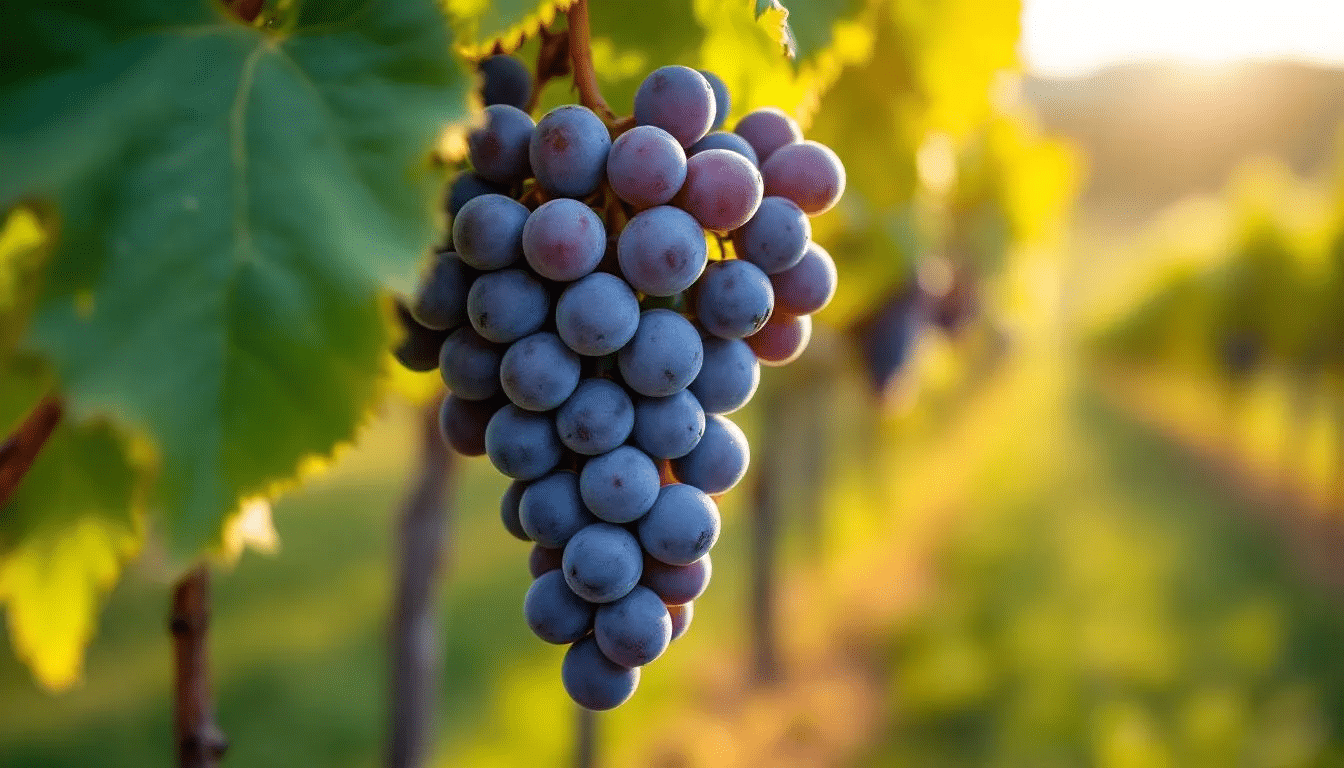
Bukettraube is a white grape variety created in 1927 by German viticulturist August Herold at the State Teaching and Research Institute for Viticulture and Fruit Growing in Weinsberg, Germany. The variety is a crossing of the Silvaner and Schiava Grossa grapes (also known as Trollinger). The name “Bukettraube” translates to “bouquet grape” in German, a fitting reference to its intensely aromatic character.
Herold was attempting to develop grape varieties that could ripen reliably in Germany’s cool climate while offering distinctive aromatic profiles. Bukettraube was officially registered in 1949, though it has remained a relatively obscure variety even in its homeland.
What Makes Bukettraube Unique
Bukettraube stands out for its extraordinary aromatic intensity, which surpasses most other grape varieties. The grape produces wines with explosive floral and fruity aromatics reminiscent of Muscat or Gewürztraminer, but with its own distinct personality.
The variety is early-ripening and produces moderate yields. Its most distinctive characteristic is the pronounced Muscat-like bouquet combined with a relatively neutral palate compared to the dramatic nose. This creates an interesting contrast that defines the varietal character. Bukettraube tends to produce wines with moderate acidity and alcohol levels, making them approachable and aromatic rather than complex or age-worthy.
Where Bukettraube Grows In The World
Bukettraube remains primarily a German specialty, with very limited plantings worldwide:
Germany – The grape’s homeland accounts for the vast majority of plantings, though even there it’s considered rare. Small parcels exist in the Pfalz, Rheinhessen, and Baden regions, typically grown by adventurous winemakers interested in unusual varieties.
Switzerland – A few experimental plantings exist in German-speaking regions.
United Kingdom – Some English vineyards have experimented with Bukettraube due to its early-ripening nature, which suits the cool British climate.
Total global plantings likely amount to less than 100 hectares, making this one of the rarer grape varieties in commercial production. Most Bukettraube is grown by small producers who appreciate its aromatic qualities and novelty appeal.
How Winemakers Use Bukettraube
Winemakers typically handle Bukettraube with a gentle touch to preserve its delicate aromatics:
Varietal Wines – Most commonly produced as a single-variety wine to showcase its unique bouquet. These are usually made in a fresh, unoaked style to highlight the aromatic qualities.
Blending Component – Occasionally used in small amounts to add aromatic lift to blends, particularly with more neutral varieties like Müller-Thurgau or Silvaner.
Sweet Wines – The grape’s aromatic intensity makes it suitable for late-harvest or dessert-style wines, though this is less common.
Winemaking Techniques – Grapes are carefully harvested and processed to preserve their aromatic qualities. Cold fermentation in stainless steel is standard to preserve the volatile aromatics. Minimal skin contact, gentle pressing, and early bottling help maintain freshness. Some producers use slight residual sugar (off-dry style) to balance the aromatics and soften the palate.
Tasting Notes and Wine Specifications
Color Wine color refers to the visual appearan… More: Pale to medium lemon yellow with brilliant clarity. The wine typically shows a youthful appearance with greenish hints when young.
Aroma: Explosively aromatic with intense floral notes of orange blossom, elderflower, and acacia. Strong Muscat-like characteristics with lychee, rose petal, and honeysuckle. Tropical fruit notes of passion fruit and mango may appear, along with hints of spice, particularly white pepper and ginger. The aromatics are the grape’s defining feature and can be almost perfume-like in intensity.
Flavor: Interestingly, more restrained than the nose suggests. Light to medium-bodied with flavors of white peach, apricot, and citrus. Floral notes continue on the palate but with less intensity than the bouquet. A gentle spiciness and sometimes a slightly herbal quality emerge. The finish tends to be clean but relatively short.
Structure: Light to medium body with moderate acidity (typically not as crisp as Riesling). Alcohol levels range from 11-13% ABV. Often made with a touch of residual sugar (5-15 g/L) to balance the aromatic intensity, though dry versions exist. The texture is smooth and approachable with minimal tannin presence.
Aging: Bukettraube is emphatically a wine for early consumption. Best enjoyed within 1-3 years of vintage to capture the fresh, vibrant aromatics. The wines do not typically develop tertiary complexity with age, and the primary fruit and floral characteristics fade relatively quickly. Not a candidate for cellar aging.
Food Pairing:
- Asian cuisine, particularly Thai and Vietnamese dishes, with aromatic herbs
- Spicy foods that complement the floral, slightly sweet profile
- Fresh goat cheese and mild, creamy cheeses
- Seafood, especially shellfish and sushi
- Light chicken or pork dishes with fruit-based sauces
- Excellent as an aperitif wine
- Fruit-based desserts, particularly with stone fruits or tropical fruits
Notable Examples of Bukettraube Wines
Bukettraube wines are a hidden gem for adventurous wine lovers, offering a vibrant bouquet and a palate that’s both refreshing and full of character. One of the most celebrated examples is the Cederberg Bukettraube from South Africa. This wine has become a benchmark for the variety, showcasing the grape’s aromatic potential with an enticing nose of:
· Peach · Apricot
· Pineapple
On the palate, it delivers a delightful interplay of sweetness and crisp acidity, making it a perfect companion for spicy cuisine or as a lively aperitif.
The Cederberg Bukettraube stands out for its light, fruit-driven style, with notes that add complexity without overwhelming the senses:
· Lemon · Pear · A subtle hint of muscat
Its origin may be rooted in Germany, but it’s in South Africa where Bukettraube has truly found its place. The grape is gaining popularity among both winemakers and wine enthusiasts. There’s a joke that you need a passionate palate to truly appreciate this variety’s complexity. Careful production methods help preserve the grape’s natural qualities:
· Reductive winemaking techniques · Early fermentation timing
These methods result in a white wine that’s as expressive as it is approachable!
Food pairing is where Bukettraube really shines! Its spicy and sweet notes make it a recommended match for dishes that pack some heat:
· Thai curry · Moroccan saffron chicken
The wine’s lightness and acidity pair beautifully with cheese and charcuterie boards. For cheese lovers, varieties that enhance the wine’s fruity and spicy character include:
· Boerenkaas· Edam· Gruyère
Bukettraube wines have earned accolades from critics and reviewers, who praise their unique flavor profiles and high-quality production! On wine websites and review pages, you’ll often find Bukettraube listed under synonyms that reflect its aromatic and flavorful nature:
· Bouquet blanc · Bukettrebe
As more wine drinkers seek out distinctive varieties, the popularity of Bukettraube, especially from South Africa, continues to grow!
Whether you’re a seasoned wine enthusiast or just beginning to explore the world of white wine, Bukettraube offers a product worth discovering! Next time you’re browsing a wine website or looking for something new to order, consider seeking out a bottle of Cederberg Bukettraube or another notable example. With its unique bouquet, lively palate, and versatility at the table, this grape variety is sure to leave a lasting impression!
Bukettraube Today
Bukettraube exists as a curiosity in the wine world, a grape that demonstrates the experimental spirit of German viticulture but has never achieved commercial success. It remains largely unknown outside of Germany, and even within Germany, few consumers recognize the name.
The variety faces challenges in the modern wine market. While aromatic white wines are popular, consumers tend to gravitate toward established varieties like Gewürztraminer, Riesling, or Moscato. Bukettraube’s lack of aging potential also limits its appeal to collectors and serious wine enthusiasts.
However, there’s renewed interest among natural wine producers and those seeking distinctive, rare varieties. Interest in Bukettraube is coming from a new generation of winemakers and wine enthusiasts who appreciate rare grapes. Some small German estates are championing Bukettraube as part of a movement to preserve rare and endangered grape varieties, viewing it as part of their viticultural heritage.
Should You Try Bukettraube?
Yes, if you:
- Enjoy aromatic white wines like Gewürztraminer, Muscat, or Torrontés
- Appreciate wine exploration and discovering rare varieties
- Like wines that are perfumed
 Perfumed refers to wines that exhibit pr… More, approachable, and immediately expressive
- Prefer lighter wines with exotic floral and fruit characteristics
- Are traveling in Germany and want to try something unusual

Maybe not, if you:
- Prefer structured, complex whites meant for aging
- Like bone-dry wines with high acidity and mineral focus
- Are looking for wines that develop with bottle age
- Prefer more subtle, restrained aromatic profiles
- Want widely available wines for consistent purchasing
Finding Bukettraube requires some effort—it’s not typically available in retail stores outside Germany. Wine enthusiasts visiting German wine regions should ask local producers about it, as it represents an interesting footnote in German viticulture’s experimental history.
Conclusion
Bukettraube represents both the promise and limitations of viticultural breeding programs. August Herold succeeded in creating a grape with extraordinary aromatic intensity that ripens reliably in cool climates. However, the variety’s limited complexity, lack of aging potential, and unknown status have prevented it from achieving widespread cultivation.
For wine lovers, Bukettraube offers a fascinating tasting experience—a wine that literally lives up to its “bouquet grape” name with an explosive aromatic profile. While it may never compete with Germany’s noble Riesling or gain international recognition, it remains a charming specialty that showcases the diversity possible in the wine world.
In an era when wine drinkers increasingly seek unusual varieties and distinctive experiences, Bukettraube deserves recognition as more than just a historical curiosity. It’s a reminder that not every successful breeding experiment needs to become commercially dominant to have value. Sometimes, a grape can simply offer a beautiful, aromatic expression worth seeking out for its own unique character,and Bukettraube certainly delivers on that promise.