
Bunghole
A bunghole is found on wooden wine barrels and casks. It’s a circular opening typically located: To create the bunghole,…
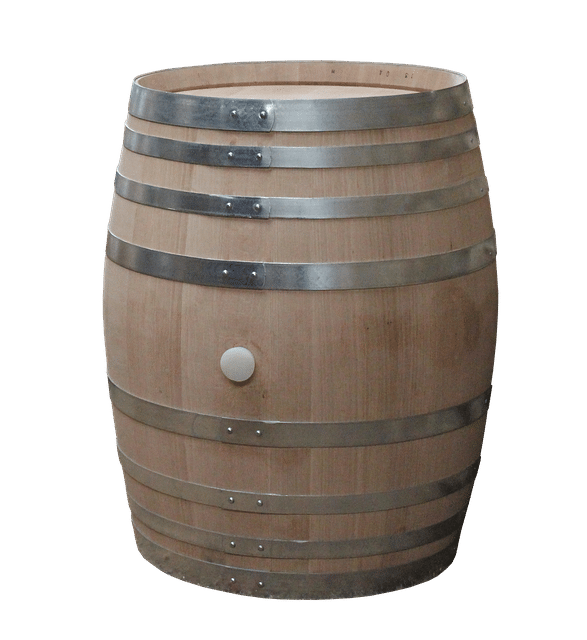
definition
A bunghole is found on wooden wine barrels and casks. It’s a circular opening typically located:
- On the side of the barrel (known as the “belly” of the barrel)
- Sometimes on the end (head) of the barrel
- Positioned to allow easy access for filling, sampling, and maintenance
To create the bunghole, a drill bit is utilized to bore or carve the opening with precision. The bunghole is utilized for multiple purposes, such as filling, sampling, and maintenance.
The bunghole is usually 2-3 inches in diameter and is sealed with a stopper called a bung (made of wood, silicone, plastic, rubber, or other materials).
Role of the Barrel Maker
The art of crafting a wine barrel has a long history that begins with the skilled hands of the barrel maker (or cooper, as they’re traditionally known). These amazing artisans are responsible for shaping wooden barrels that not only look absolutely beautiful but also function perfectly for many years. One of the most important features they create is the bunghole, a precisely bored hole (typically found on the side or head of the barrel) that’s designed to provide easy access to the wine.
Creating the bunghole demands incredible accuracy. The barrel maker has to ensure that the hole is exactly the right size to match the bung plug (which acts as a stopper to keep the barrel’s contents completely secure). Whether the bung plug is made from traditional wood, natural cork, plastic, or modern silicone, it must fit into the vessel perfectly to form an airtight seal. This seal is essential for preserving the wine’s quality during aging, preventing leaks, and allowing for easy racking, tasting, and topping up.
In recent years, silicone bungs have become a very popular choice for many winemakers. These bung plugs are incredibly easy to clean, super durable, and provide a reliable seal every time, making them ideal stoppers for barrels that require frequent access for sampling or maintenance. The barrel maker’s expertise extends to recommending the absolute best type of bung for each barrel (taking into account the wine’s specific needs and how often it will be accessed).
Beyond the bunghole and bung, the cooper is responsible for the overall integrity of the entire barrel. This includes selecting only the highest-quality oak or other premium woods, ensuring the staves are fitted together perfectly tight, and positioning the bunghole for the most convenient access possible. Every single detail (from the exact size of the opening to the specific type of seal used) is carefully considered to ensure the barrel will protect and enhance its contents over many years of aging.
Ultimately, the barrel maker’s extensive knowledge of materials, amazing attention to detail, and unwavering commitment to quality ensure that each barrel, and its perfectly crafted bunghole, will serve winemakers exceptionally well, preserving both the ancient traditions and modern innovations that define the wonderful world of wine!
How It Is Used
The bunghole serves several essential functions in winemaking:
Filling and Emptying: Winemakers add wine into the barrel through the bunghole and extract it when aging is complete.
Sampling: During the aging process, the bung is removed to draw samples, allowing winemakers to monitor the wine’s development without disturbing the entire barrel. Sometimes, a tool is used to turn and remove the bung for easier access.
Topping Up: As wine evaporates through the barrel staves (called the “angel’s share”), the bunghole provides access to refill the barrel, preventing excessive oxidation. Winemakers may leave the bung in place between fillings to maintain a proper seal.
Cleaning and Maintenance: After use, winemakers need to find and remove the bung to clean and sanitize the barrel through the bunghole opening.
Air Management: Different types of bungs (solid vs. breathing) are used to close or keep the bunghole plugged, controlling oxygen exposure during aging, which is crucial for wine development.
Barrels are often shipped with their bungholes plugged to prevent leaks, and today, modern materials and practices are used to ensure a secure seal.
Conclusion
The bunghole is a deceptively simple yet vital component of traditional barrel-aged winemaking. This humble opening enables winemakers to maintain precise control over the aging environment, ensuring their wine develops properly over months or years. While the name may elicit a chuckle, the bunghole represents centuries of refined craftsmanship in cooperage and winemaking tradition—a perfect example of how practical design solutions become enduring features of artisanal production.