
Carménère
Carménère is a red wine grape variety that produces full-bodied, deeply colored wines with distinctive herbal and spicy characteristics. Originally…
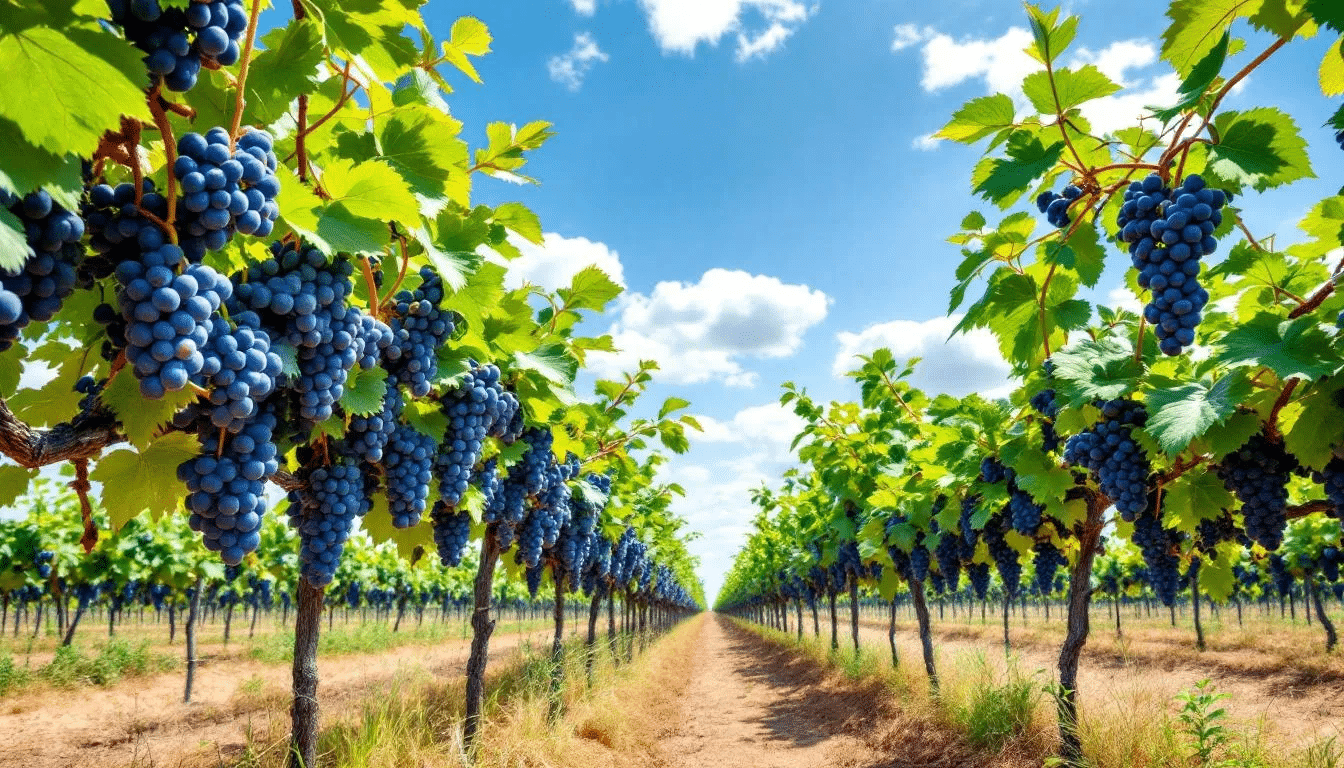
definition
Carménère is a red wine grape variety that produces full-bodied, deeply colored wines with distinctive herbal and spicy characteristics. Originally from Bordeaux, France, this grape was thought to be extinct for over a century before being dramatically rediscovered in Chilean vineyards in the 1990s. Today, Carménère is considered Chile’s signature grape variety.
Origins of Carménère
Carménère has its roots in the Médoc region of Bordeaux, where it was one of the original six grape varieties, including Cabernet Sauvignon, that were used in traditional Bordeaux blends during the 18th and 19th centuries. Carménère is considered an ancient variety with historical significance in Bordeaux and possibly even earlier origins.
The Carménère vine has a long history of misidentification, often being confused with other varieties such as Cabernet Franc. The grape’s name comes from the French word “carmin,” referring to the brilliant red color the leaves turn in autumn. In its genetic background, Gros Cabernet has been proposed as a parent in prior DNA studies.
In the mid-1800s, phylloxera devastated European vineyards, and Carménère was particularly vulnerable due to its late ripening cycle and susceptibility to coulure (poor fruit set). French nurseries played a significant role in the spread and misidentification of Carménère, contributing to confusion with other grape varieties. Rather than replanting this challenging variety, most Bordeaux producers chose easier-to-grow alternatives. By the early 20th century, Carménère had virtually disappeared from France.
The grape’s story took a remarkable turn when French agronomist Jean Michel Boursiquot discovered in 1994 that many Chilean vineyards labeled as Merlot were growing Carménère. This “mistaken identity” had preserved the variety for over 150 years and effectively saved Carménère from extinction. The rediscovery and global spread of Carménère vines have since led to renewed interest and cultivation in regions such as Italy, New Zealand, and beyond.
What Makes Carménère Unique
Several factors distinguish Carménère from other red wine varieties:
Late Ripening: Carménère requires a long, warm growing season to fully ripen, making it one of the last grapes harvested each year.
Distinctive Aromatics: The grape produces wines with characteristic green bell pepper, herb, and spice notes, particularly when grown in cooler conditions or harvested early. Carménère is also known for its striking aromas of black cherry jam, raspberry, green peppercorn, and dried herbs, which contribute to its complex and memorable bouquet.
Deep Color: Carménère grapes produce deep, intensely colored red wines, typically displaying dark purple-red hues with excellent color stability.
Tannin Structure: The wines generally have medium to high tannins with a smooth, velvety texture when properly ripened.
Overall, the carménère taste is defined by a unique combination of red and black fruit flavors, herbal and spicy notes, balanced acidity, and a rich, full body that reflects its regional origins.
Relationship to Other Varieties
Carménère shares a fascinating family tree with some of the world’s most celebrated Bordeaux varieties. DNA analysis has revealed that Carménère, Cabernet Sauvignon, and Merlot all trace their lineage back to Cabernet Franc, making them close relatives in the grape world. This genetic connection is reflected in the many similarities found in their wines—think of the green peppercorn and earthy notes that often appear in both Carménère and Cabernet Sauvignon, or the subtle herbal undertones reminiscent of Cabernet Franc.
These shared characteristics can help wine lovers find Carménère wines that align with their taste preferences, especially if they already enjoy the structure and flavors of other Bordeaux varieties. The grape’s history of being mistaken for Merlot, due to similar leaf shapes and vineyard behavior, further highlights its close relationship with these classic varieties. Exploring Carménère is a great way to experience a unique twist on the familiar profiles of Cabernet and Merlot, while discovering a wine with its distinct personality.
Where Carménère Grows in the World
Carménère is now cultivated in several regions around the world.
Chile’s leading role dominates global Carménère production, with over 10,000 hectares planted primarily in the Colchagua, Rapel, and Maipo valleys. The country’s Mediterranean climate and diverse terroir provide ideal conditions for the grape to achieve full ripeness. In Chilean vineyards, Carménère was long confused with Chilean Merlot, which contributed to its unique reputation and flavor profile.
Other Growing Regions include:
- Small plantings in Bordeaux (experimental revival efforts)
- Northern Italy (particularly Friuli and Veneto)
- California (limited boutique production)
- Argentina (small but growing plantings)
- Australia (experimental plantings)
Cabernet Gernischt, a Chinese red wine grape variety with historical and genetic ties to Carménère, is also notable in discussions of related grapes.
Regional Styles of Carménère
The taste and character of Carménère wines can shift dramatically depending on where the grapes are grown. In Chile, the Central Valley is the heartland of Carménère production, but each sub-region brings its signature to the wine. For instance, Maipo Valley Carménère is known for its full-bodied structure and spicy, peppery flavors, making it a favorite for those who enjoy bold wines. In contrast, Rapel Valley Carménère often displays fresh acidity and vibrant red fruit notes, offering a more lively and approachable style.
Colchagua Valley produces some of the most sought-after quality Carménère, with deep color, rich black fruit, and a plush, velvety palate. Cachapoal Valley, meanwhile, is celebrated for balanced wines that combine ripe fruit with savory undertones. Outside of Chile, regions like Italy often blend Carménère with other varieties, resulting in complex, layered wines that highlight both the grape’s unique character and the influence of the local terroir. When searching for quality Carménère, consider the region and style that best matches your palate—whether you prefer spicy, robust flavors or a fresher, fruit-driven taste.
How Winemakers Use Carménère
Carménère can be vinified in several styles:
Single Varietal Wines: Most commonly produced as 100% Carménère wines that showcase the grape’s unique characteristics.
Bordeaux-Style Blends: Traditional approach blending with Cabernet Sauvignon, Merlot, and other Bordeaux varieties.
Modern Blends: Carménère is often blended with other varieties, such as Syrah, Cabernet Franc, or international grapes, to create creative combinations. Even small amounts of Carménère in these blends can significantly influence the wine’s aroma and flavor profile.
Winemaking techniques often include extended maceration, careful temperature control, and oak aging to enhance the wine’s complexity while managing the grape’s naturally herbaceous character.
Tasting Notes and Wine Specifications
Color: Deep ruby to dark purple-red with excellent intensity and clarity
Aroma: Complex bouquet featuring dark fruits (blackberry, plum, black cherry, cherry, raspberry), green bell pepper, green pepper, herbs (mint, eucalyptus), spices (black pepper, paprika), and often notes of chocolate, coffee, or vanilla from oak aging
Flavor: Rich red and black fruit flavors, including sweet berry and fruit notes, balanced by characteristic herbal notes, with hints of tobacco, leather, spice, and vanilla. Well-made examples show excellent fruit-herb integration without excessive vegetal character
Structure: Medium to full body with moderate to high tannins, good acidity, and alcohol levels typically ranging from 13.5% to 15%
Aging: Young Carménère can be quite tannic and herbaceous, but develops remarkable complexity with 3-8 years of bottle aging. Premium examples can age gracefully for 10-15 years
Food Pairing: Excellent with grilled red meats, lamb, game, hearty stews, aged cheeses, and dishes featuring herbs and spices. The wine’s herbal character makes it particularly complementary to Mediterranean and Latin American cuisines
Food Pairing with Carménère
Carménère’s versatility at the table is one of its greatest strengths. The wine’s signature green peppercorn and earthy notes make it a natural partner for dishes with savory sauces and roasted meats. Its fresh acidity and moderate, soft tannins allow it to pair beautifully with a wide range of foods, from grilled steaks and lamb to hearty vegetarian fare like roasted vegetables or mushroom risotto. If you’re serving spicy cuisine—think Mexican, Indian, or Asian dishes—Carménère’s spicy flavors and herbal undertones can complement the heat without overwhelming the palate.
For a classic pairing, try a bottle with black fruit-driven Carménère alongside grilled meats or robust cheeses. If your wine leans more toward pronounced green peppercorn notes, it will shine with dishes featuring spicy sauces or roasted meats, enhancing both the food and the wine. With its balance of acidity, tannins, and flavor, Carménère is a food-friendly choice that can elevate any meal.
Cellaring and Ageing Carménère
For those who enjoy collecting and ageing wine, Carménère offers excellent potential, especially when sourced from top regions like Chile’s Central Valley. Quality Carménère wines are crafted with high levels of tannins and acidity, which are key factors for graceful ageing. Over five to ten years, these wines develop deeper flavors of dark fruit, spice, and leather, gaining complexity and a softer, more integrated palate.
The best examples from regions such as Colchagua Valley or Maipo Valley can even age beyond a decade, revealing layers of character that reward patience. To ensure your Carménère matures well, store bottles in a cool, dark place with stable temperature and humidity. Look for wines labeled as quality Carménère, as these are more likely to have the structure needed for long-term cellaring. As the wine ages, you’ll notice the tannins mellow and the flavors evolve, making each bottle a unique experience.
Serving and Storage Tips
To truly appreciate the aromas and flavors of Carménère, proper serving and storage are essential. Serve Carménère at a temperature between 15-18°C (59-64°F) to highlight its dark fruit, spice, and herbal notes. Before pouring, consider decanting the wine to allow its complex bouquet to open up, especially if the bottle has been aged. When storing Carménère, keep the bottle in a cool, dark place away from direct sunlight and temperature fluctuations.
Consistent humidity and minimal movement will help preserve the wine’s quality and prevent premature ageing. Handle bottles gently, as Carménère can be sensitive to vibration. By following these simple tips, you’ll ensure that every glass of Carménère wine delivers its full spectrum of aromas and flavors, whether you’re enjoying it young or after years in the cellar.
Carménère Today
Modern Carménère has evolved significantly since its rediscovery. Chilean producers have invested heavily in understanding optimal growing conditions, harvest timing, and winemaking techniques. The result is a new generation of Carménère wines that balance the grape’s distinctive character with improved fruit expression and refined tannins.
Premium producers now harvest Carménère later in the season, use selective picking, and employ sophisticated winemaking techniques to create wines that rival the world’s best red varieties in quality and complexity.
Looking ahead, the next decade may see further growth in Carménère plantings and increased popularity, potentially influencing vineyard trends in both Chile and traditional regions like Bordeaux.
Should You Try Carménère Wines?
Absolutely. Carménère offers wine enthusiasts a unique tasting experience that’s both familiar and distinctly different. If you enjoy full-bodied red wines with complexity and character, particularly those with herbal and spicy notes like Cabernet Franc or certain Rhône blends, Carménère is worth exploring.
The variety’s moderate pricing compared to other premium reds makes it an excellent value proposition for discovering a truly distinctive wine style.
Conclusion
Carménère’s journey from near-extinction to becoming Chile’s flagship variety is one of wine’s most remarkable comeback stories. This “lost” Bordeaux grape offers modern wine lovers a taste of history while showcasing the potential of New World winemaking. With its distinctive herbal character, full body, and excellent aging potential, Carménère has earned its place among the world’s noble grape varieties and continues to gain recognition from critics and consumers alike.
Whether you’re a curious wine explorer or a serious collector, Carménère represents an opportunity to experience something truly unique in the world of red wine.