
Chenin blanc
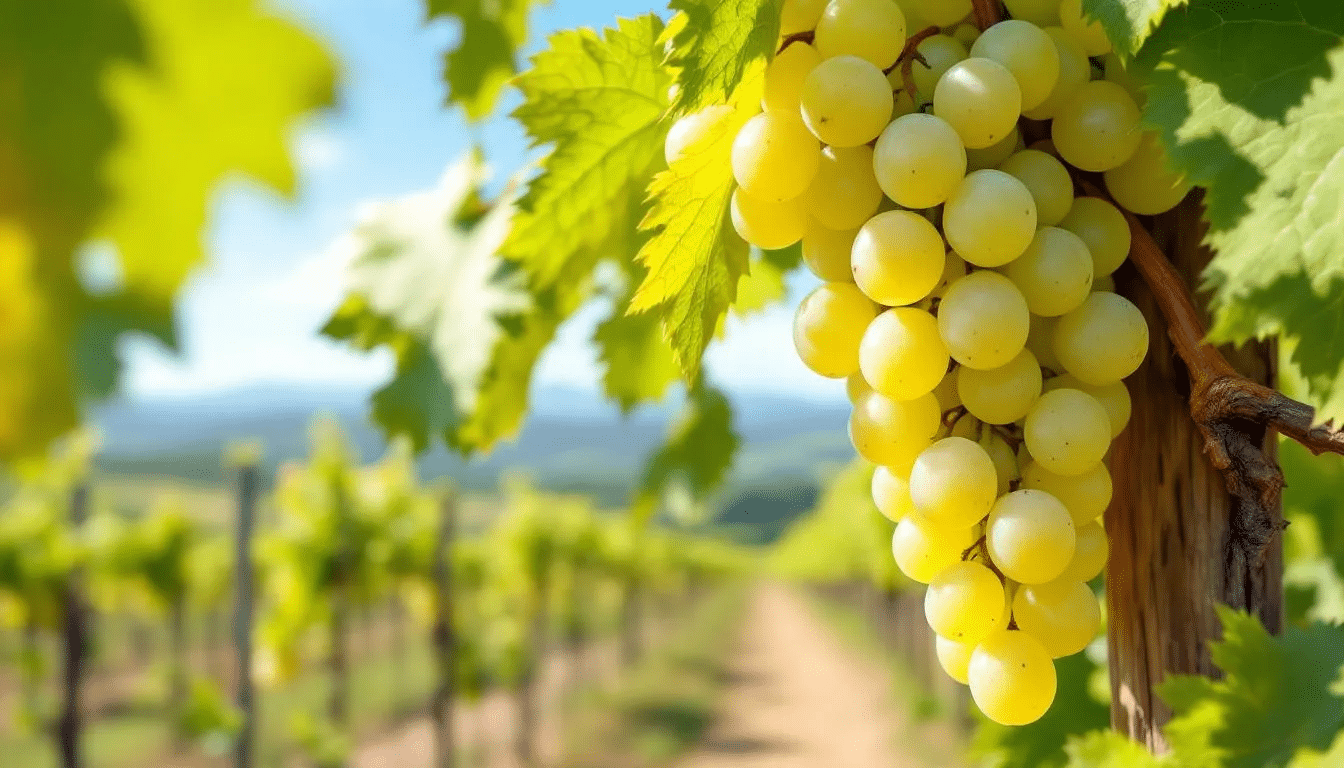
Chenin Blanc’s story begins in the Loire Valley of France, where it has been cultivated since at least the 9th…
definition
Chenin Blanc’s story begins in the Loire Valley of France, where it has been cultivated since at least the 9th century. The grape likely originated in the Anjou region, with the first documented mention appearing in 1496 in the records of the Abbey of Glanfeuil. The name “Chenin” may derive from Mont-Chenin in the Touraine appellation, though this etymology remains debated among wine historians.
For centuries, producing wines from Chenin Blanc remained relatively confined to the Loire Valley, which is also referred to as Pineau de la Loire, and it became the dominant white grape in the Loire Valley. French settlers eventually brought cuttings to South Africa in the 1650s, where the grape would later find its second home and achieve remarkable success under the local name “Steen.” South African Chenin Blancs are famous worldwide.
What Makes Chenin Blanc Unique
Chenin Blanc stands apart as one of the most versatile winemaking grapes. The grapes’ versatility creates white wines with lively acidity and comes in an extraordinary range of styles—from bone-dry Chenin Blanc to lusciously full-bodied, lusciously sweet dessert wines with rich flavors such as Quarts de Chaume, to sparkling versions, from light and fresh to richly complex and age-worthy. Few grapes can claim such flexibility.
This white grape variety has naturally high acidity acts as its backbone, providing structure and longevity regardless of style. This acidity also makes Chenin Blanc particularly susceptible to noble rot (Botrytis cinerea), enabling the production of exceptional sweet wines that can age for decades.
Another distinguishing feature is Chenin Blanc’s ability to reflect terroir faithfully. The grape acts like a mirror, expressing the nuances of soil, climate, and winemaking technique with remarkable clarity. This transparency makes it a favorite among terroir-focused winemakers.
Where Chenin Blanc Grows in the World
The Loire Valley, France, remains Chenin Blanc’s spiritual home and quality benchmark of some of the finest examples of Chenin Blanc wine on the planet. The region produces approximately 10,000 hectares of Chenin Blanc vines across appellations, each with a different winemaking style, including Vouvray, Savennières, Anjou, and Saumur. Each sub-region offers distinct expressions, from the dry, mineral-driven wines of Savennières to the sweeter styles such as the honeyed nectars of Bonnezeaux.
South Africa has emerged as Chenin Blanc’s largest producer by volume, with over 18,000 hectares planted. Initially used for bulk wine and brandy production, South African Chenin has undergone a renaissance since the 1990s. Regions like Stellenbosch, Swartland, and the Coastal Region now produce world-class examples ranging from fresh, unoaked wine styles to complex, barrel-fermented wines that rival their French counterparts.
California: Chenin Blanc grows primarily in the Central Valley; smaller plantings exist in regions like Clarksburg and Mendocino. Much of California’s production is inexpensive, off-dry wines; boutique producers are crafting more serious expressions.
Other notable regions include Argentina (where it’s sometimes called Pinot Blanco), Australia, New Zealand, and smaller plantings throughout Europe and the Americas. Total global plantings exceed 35,000 hectares, making it a significant but often underappreciated variety.
How Winemakers Use Chenin Blanc
Winemakers exploit Chenin Blanc’s versatility across multiple production methods:
Dry Wines: Producers harvest at moderate ripeness to preserve acidity. Fermentation may occur in stainless steel for fresh, fruit-forward styles, or oak aging in oak barrels for richer, more complex wines. Some winemakers employ wild yeast fermentation and extended lees aging to build texture and depth.
Sweet Wines: Late-harvest or botrytis-affected grapes create wines ranging from demi-sec to intensely sweet. Multiple passes through vineyards select perfectly botrytized grapes. Fermentation stops naturally or through intervention when the desired sweetness is achieved.
Sparkling Wines: The high acidity makes Chenin Blanc ideal for traditional method sparkling wines. Crémant de Loire represents a significant use of the grape, with base wines undergoing secondary fermentation in bottle.
Oak Treatment: Decisions about oak vary widely. Traditional Loire producers often use old oak barrels for fermentation and aging without imparting any oak flavor, while some New World producers employ new oak for richer, more voluptuous styles. Many modern winemakers opt for partial oak treatment or no oak at all.
Blending: While Chenin often shines as a single-varietal wine, it’s also blended with Chardonnay, Sauvignon Blanc, or other varieties in some regions, particularly in South African white blends.
Tasting Notes and Wine Specifications
Color Wine color refers to the visual appearan… More:
Pale straw to light gold when young and dry. Sweet wines and aged examples develop deeper golden hues, sometimes approaching amber in old botrytis wines.
Aroma:
The aromatic profile varies dramatically by style and origin. Common descriptors include green apple, quince, pear, chamomile, honeysuckle, wet wool, and lanolin. Riper styles express stone fruit notes like peach and apricot. Botrytized wines reveal honey, beeswax, ginger, and marmalade. Aged examples develop complex notes of marzipan, dried fruit, and truffle.
Flavor:
Dry styles typically offer crisp green apple and citrus flavors with mineral undertones and sometimes a characteristic waxy or woolly texture. Off-dry versions balance fruit sweetness with zesty acidity. Sweet wines layer honeyed richness with preserved fruit, often maintaining remarkable freshness despite high sugar levels. A distinctive, slightly bitter almond note often appears on the finish.
Structure:
High natural acidity (typically 6-8 g/L) is a defining element of Chenin Blanc’s structure. Alcohol levels range from 11.5-14% depending on style. Dry wines show a light to medium body, while sweet versions achieve a fuller body through residual sugar. The best examples demonstrate exceptional balance between acidity, fruit, and any sweetness or oak influence.
Aging:
Chenin Blanc ranks among the most age-worthy white wines. Simple, fresh styles drink best within 2-3 years. Mid-level dry wines develop beautifully over 5-10 years. Top-tier dry Chenin Blanc wines from great vintages can age 20-30 years or more. Sweet Chenins from exceptional years age gracefully for 50+ years, developing extraordinary complexity.
Chenin Blanc Food Pairing:
This versatile white wine is perfect on any table. Dry styles complement shellfish, white fish, chicken, pork, and creamy cheeses like goat cheese or brie. The acidity cuts through rich sauces beautifully. Off-dry versions pair with spicy Asian cuisines, particularly Thai and Vietnamese food. Sweet Chenin Blanc wines match perfectly with foie gras, blue cheese, fruit desserts, or stand alone as dessert. The wine’s acidity makes it more food-friendly than many other whites across all styles.
Today
Chenin Blanc is experiencing a global renaissance. After decades of underappreciation and relegation to bulk wine production, quality-focused producers have rediscovered the grape’s potential. In South Africa, the Chenin Blanc Association actively promotes premium examples, while young winemakers champion old-vine bottlings. The Loire Valley continues to produce benchmark wines, with increased international recognition and rising prices for top appellations like Savennières.
Climate change has actually benefited some Chenin Blanc regions, allowing better ripening while the grape’s high acidity helps maintain freshness. Natural and minimal-intervention winemakers have embraced Chenin for its ability to express place authentically without heavy manipulation.
Yet challenges remain. Much of the world’s Chenin Blanc is made into inexpensive, unremarkable wines. Consumer awareness lags behind other white varieties like Chardonnay and Sauvignon Blanc. Many wine drinkers are unfamiliar with Chenin’s potential or confused by its range of styles.
Should You Try It?
Absolutely. Chenin Blanc offers exceptional value and diversity for curious wine drinkers. If you enjoy wines with bright acidity and complexity, Chenin deserves a place in your exploration.
Start with a dry Loire Valley Chenin from Vouvray or Savennières to understand the grape’s classic expression. Then try a South African example to see how the New World interprets this variety. If you appreciate sweet wines, seek out a demi-sec Vouvray or a Côteaux du Layon to experience Chenin’s honeyed side.
The grape’s food-friendliness makes it practical for regular drinking, while its aging potential rewards patience. Quality examples from respected producers offer complexity that rivals more expensive wines.
Conclusion
Chenin Blanc stands as one of wine’s great paradoxes—a grape of exceptional quality and versatility that remains underappreciated by mainstream consumers. Its ability to produce everything from crisp, refreshing whites to profound, age-worthy treasures demonstrates a flexibility matched by few other varieties.
The grape’s journey from Loire Valley monasteries to South African vineyards illustrates wine’s global evolution, while its current renaissance reflects a broader trend toward discovering overlooked varieties. As wine drinkers increasingly seek authenticity, value, and terroir expression, Chenin Blanc continues to rise in popularity.
Whether you’re drawn to mineral-driven dry wines, honeyed sweet expressions, or lively sparkling bottles, Chenin Blanc offers a pathway to discovery. This chameleon grape rewards exploration with complexity, character, and remarkable drinkability. In a wine world sometimes dominated by fashion and marketing, Chenin Blanc represents substance—a grape that has quietly delivered quality for over a millennium and shows no signs of stopping.