
Cinsault
Cinsault (pronounced “SAN-so”) is a red wine grape variety that produces light to medium-bodied wines with bright acidity and soft…
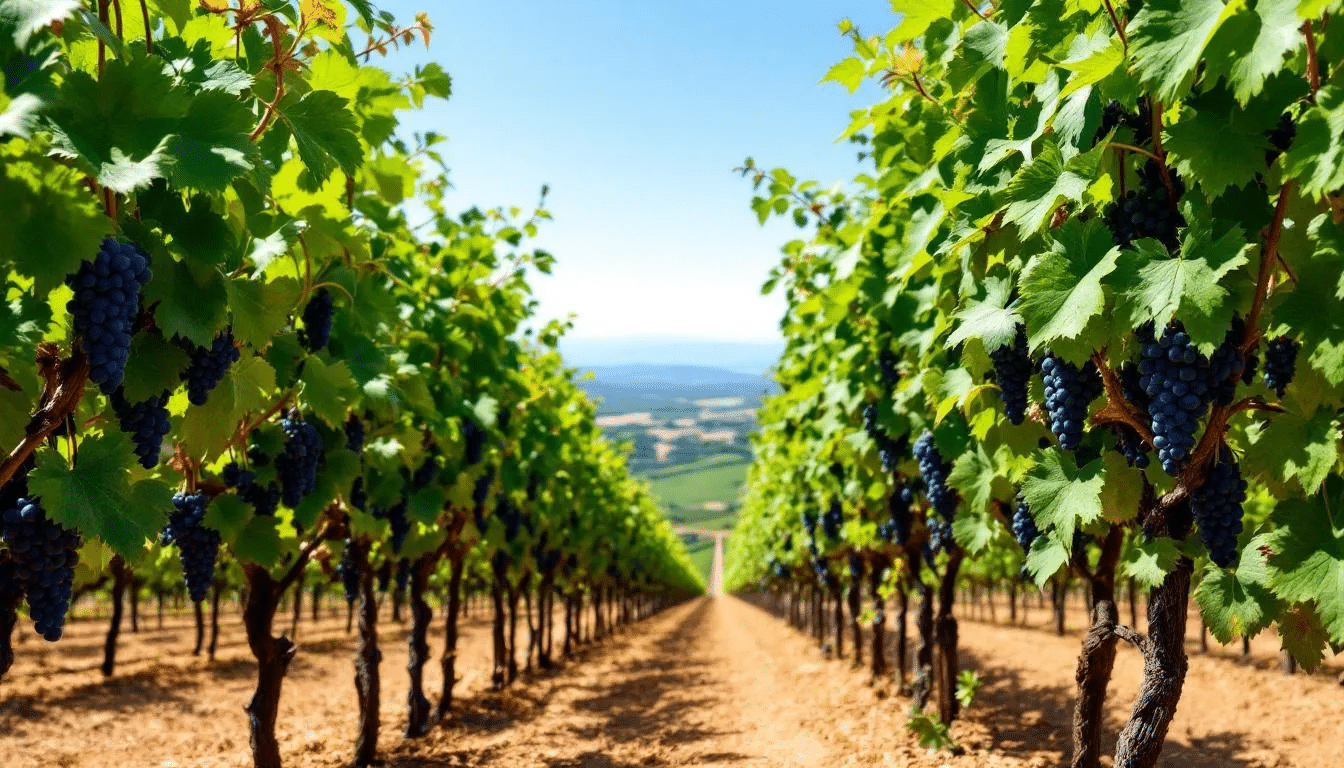
definition
Cinsault (pronounced “SAN-so”) is a red wine grape variety that produces light to medium-bodied wines with bright acidity and soft tannins. It’s known for creating elegant, food-friendly wines that range from light reds to rosés. Cinsault is often blended with other varieties but can also shine as a single-varietal wine.
Origins of Cinsault
Cinsault is a red grape variety with ancient origins in the Mediterranean region, its roots tracing back to southern France. The grape has been cultivated for centuries in Languedoc and the Rhône Valley. DNA analysis suggests it may have originated from a cross between two lesser-known varieties. From France, Cinsault spread throughout the Mediterranean basin and eventually to wine regions in North Africa—particularly Morocco, Algeria, and Tunisia—and the New World through French colonial influence.
During this period, large volumes of Cinsault were imported from Algeria to France, where it was often used in blending. Cinsault is also known by several alternative names, including Black Malvoisie (American synonym), Black Prince, and Blue Imperial (used in Australia), and is recognized as Ottavianello in a small Italian DOC in Puglia.
What Makes Cinsault Unique
Cinsault stands out for its versatility and adaptability. The grape thrives in hot, dry climates while maintaining good acidity levels. Its thin skins make it ideal for rosé production, contributing to the wine’s characteristic pale color and fresh profile. The Cinsault vine is known for its remarkable productivity and drought tolerance, responding well to a variety of different growing conditions. This resilience makes the vine valuable in challenging growing environments. The grape’s ability to retain freshness even in warm climates sets it apart from many other red varieties.
Where Cinsault Grows in the World
France: The primary home of Cinsault, particularly in Languedoc, Provence, and the southern Rhône Valley. It’s a key component in Châteauneuf-du-Pape blends and essential for Provence rosés.
South Africa: Known locally as Hermitage, Cinsault was one of the first grape varieties planted in South Africa and remains significant today, often blended with Pinotage.
Lebanon: Particularly important in the Bekaa Valley, where it produces both single varietal wines and blends.
Morocco: Cultivated in several wine regions, contributing to both red wines and rosés.
Australia: Grown in various regions, with increasing interest from winemakers focusing on Mediterranean varieties.
Other regions: Found in smaller quantities in Spain, Italy, Algeria, Tunisia, and California.
Spotlight: Cinsault in South Africa
South Africa has embraced Cinsault as a cornerstone of its wine industry, thanks to the grape variety’s remarkable heat tolerance and ability to produce heavy crops in the country’s dry climate. Cinsault vines are widely planted across regions like the Western Cape, where the grape thrives alongside other Mediterranean grape varieties. South African winemakers often use Cinsault as a blending component in red wines, pairing it with Syrah, Grenache, and Merlot to craft blends that are both full-bodied and vibrant.
These wines are celebrated for their flavors of red berries and cherries, accented by a subtle hint of spice that adds complexity to each bottle. Whether produced as a single varietal wine or blended with other grapes, South Africa’s Cinsault wines showcase the grape’s adaptability and the region’s innovative spirit. The result is a diverse range of wines that appeal to both traditionalists and modern wine lovers, making Cinsault a popular and enduring choice in South African vineyards.
How Winemakers Use Cinsault
Cinsault serves multiple purposes in winemaking. It is commonly used in blends with Grenache, Syrah, Mourvèdre, and Carignan, especially in the Rhône Valley and Languedoc, where it softens more powerful varieties and enhances aromatic lift. In these red blends, Cinsault contributes a layer of finesse and complexity, adding nuance and balance to the overall wine profile.
For rosé production, Cinsault is often the star, providing the delicate color and crisp acidity that defines many Provence rosés. When made as a varietal wine, winemakers typically employ gentle extraction techniques to preserve its delicate character, often using whole-cluster fermentation or carbonic maceration.
Cinsault rosé has become a standout in the world of rosé wines, especially in renowned regions like Provence and the Southern Rhône. Winemakers are drawn to this grape variety for its ability to add perfume and freshness to rosé, resulting in wines that are both fruity and floral. Cinsault rosés are celebrated for their delicate aromas of rose petals and red berries, with flavors that are light, refreshing, and perfectly suited to warm, sunny days.
The popularity of Cinsault rosé has soared as wine lovers seek out wines with elegance and vibrancy, and producers respond by crafting rosés that highlight the grape’s natural perfume and lively character. Traditional production methods are often used to preserve the grape’s freshness and subtle flavors, making each bottle a true expression of the region and the variety. As demand for high-quality rosé continues to grow, Cinsault’s role as a key grape in these wines has never been more important, cementing its reputation among winemakers and enthusiasts alike.
Tasting Notes and Wine Specifications
Color: Light to medium ruby red for still wines; pale salmon to copper for rosés
Aroma: Red berry fruits (strawberry, raspberry, cherry), floral notes (rose petals, violets), herbs (thyme, lavender), and subtle spice
Flavor: Fresh red fruit flavours, often with hints of pepper, Mediterranean herbs, and mineral undertones. The palate is typically bright and refreshing.
Structure: Light to medium body with soft, approachable tannins and bright acidity. Alcohol levels usually range from 12-14%.
Aging: Most Cinsault wines are designed for early consumption, though quality examples can age 3-5 years. The wines typically don’t require extensive oak aging. Different bottling styles, such as rosé and red blends, offer unique pairing opportunities with a variety of foods.
Food Pairing: Cinsault wine is highly versatile, pairing well with Mediterranean cuisine, grilled fish, poultry, charcuterie, soft cheeses, and herb-crusted dishes. Rosé versions pair beautifully with seafood, salads, and light summer fare, and are often served as an aperitif due to their light and refreshing character.
Food Pairing Options with Cinsault
Cinsault wines are a food lover’s dream, offering a wide range of pairing possibilities thanks to their delicate aromas, fresh flavors, and versatility. Cinsault rosés, with their notes of red berries and floral hints, are especially suitable for pairing with seafood—think grilled fish, shrimp salads, or oysters—where their freshness enhances the flavors of the dish.
These wines also shine alongside light appetizers, summer salads, and Mediterranean fare. For those who prefer red Cinsault wines, the grape’s subtle spice and red berry flavors make it a great match for rich, savory dishes such as roasted lamb, beef stews, or even classic French recipes like bouillabaisse and ratatouille. The wine’s approachable structure and lively acidity help it complement both delicate and hearty foods, making Cinsault a reliable choice for a variety of meals. Whether you’re planning a casual lunch or a festive dinner, Cinsault wines bring out the best in your favorite dishes.
Cinsault Today
Cinsault is experiencing renewed interest as wine drinkers seek lighter, more food-friendly styles. Climate change has also made this heat-tolerant variety more attractive to winemakers in warming regions. Modern winemaking techniques have helped highlight Cinsault’s unique characteristics, leading to higher-quality varietal bottlings. The grape’s role in premium rosé production has particularly elevated its profile, as the global rosé market continues to grow.
The Cinsault Community
The Cinsault community is a dynamic network of winemakers, grape growers, and wine enthusiasts united by their passion for this distinctive grape variety. In regions like Southern France, South Africa, and California, where Cinsault is widely planted, the community thrives on collaboration and shared expertise. Winemakers and vineyard owners often work together to explore new techniques and elevate the quality of Cinsault wines, while events such as tastings, vineyard tours, and local festivals offer opportunities for wine lovers to experience the grape’s unique aromas and flavors firsthand.
Online, the Cinsault community is equally active, with forums and social media groups dedicated to discussing everything from vineyard practices to the latest bottlings. This spirit of cooperation and discovery has helped raise the profile of Cinsault, encouraging more producers to plant the grape and more consumers to seek out its wines. Whether in the vineyard or at the table, the Cinsault community continues to celebrate and promote the grape’s rich heritage and exciting future.
Should You Try Cinsault?
Absolutely. Cinsault offers excellent value and versatility, making it perfect for wine lovers seeking something different from mainstream varieties. If you enjoy Pinot Noir, Beaujolais, or Provence rosé, you’ll likely appreciate Cinsault’s elegant, food-friendly style. It’s particularly appealing for those who find many red wines too heavy or tannic.
Conclusion
Cinsault represents the essence of Mediterranean winemaking – elegant, versatile, and perfectly suited to warm climates and casual dining. While it may not have the fame of Cabernet Sauvignon or Chardonnay, this ancient variety offers unique pleasures for adventurous wine drinkers. Whether enjoyed as a light red wine or a refreshing rosé, it delivers the kind of effortless drinkability that makes wine a perfect companion to life’s simple pleasures. As the wine world increasingly values freshness and food compatibility over power and concentration, Cinsault’s popularity continues to rise.