
Coulure
Coulure, also known as grape shatter, is a viticultural condition, not a wine fault. It occurs during flowering when grapevine…
definition
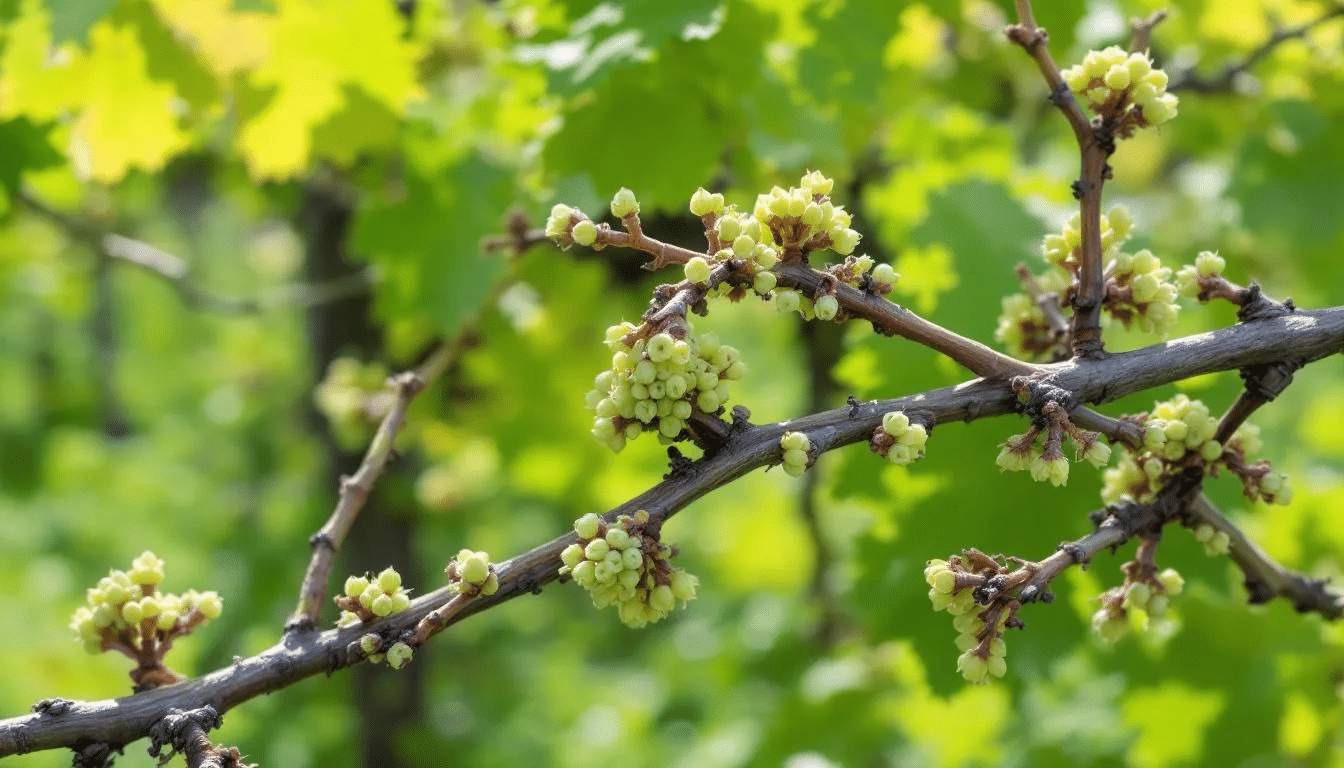
Coulure, also known as grape shatter, is a viticultural condition, not a wine fault. It occurs during flowering when grapevine flowers fail to develop into fruit, resulting in reduced yields. This condition is triggered by adverse weather during flowering, such as cold, wet, or windy conditions. Several factors, including environmental and physiological, can lead to this condition in grapevines. After pollination, if conditions are unfavorable, the process of developing grape berries is disrupted. The term comes from the French word “couler” (to flow/fall), referring to the flower clusters that drop off or fail to set fruit. This results in loose, unevenly spaced clusters with many missing berries where grapevine flowers have failed to develop into grapes.
Certain grape varieties, such as Muscat Ottonel and Cabernet Sauvignon, are particularly susceptible, but this varies among different grape varieties, so growers often consider this factor when selecting which varieties to plant.
Characteristics
When coulure occurs, you’ll observe poor fruit set:
- Sparse grape clusters with irregular spacing and gaps where berries should be
- Irregular bunches with missing berries, making clusters less compact and more susceptible to disease
- Small grapes and small berries that are shriveled or underdeveloped due to carbohydrate deficiency
- Shriveled or shrunken stems attached to grape clusters, indicating insufficient carbohydrate transport
- Reduced yields – sometimes dramatically lower than normal (50% or more reduction)
- Uneven berry development within the same cluster
- “Hen and chickens” pattern – a mix of normal-sized berries alongside small, seedless shot berries (millerandage
 Millerandage (also spelled “millerandage… More), which often accompanies coulure.

A deficiency in carbohydrate levels, often caused by poor weather conditions, leads to poor fruit set and shriveled stems. Seeds may not form properly in affected berries. Wet, cold, or windy weather during flowering can disrupt pollination and photosynthesis, increasing the risk of coulure. Vigorous shoot growth, excessive growth, or overly vigorous vines can divert resources and nutrients away from developing fruit, increasing coulure risk.
Shoots and developing shoots compete for resources, impacting grape development. Adequate leaf area and efficient photosynthesis are crucial for providing the carbohydrates needed for fruit set. Multiple factors contribute to coulure, and weather and vine vigor play a crucial role. Coulure can significantly impact the quantity and quality of wine produced.
The condition typically affects varieties that are already prone to poor fruit set, particularly Merlot, Grenache, Malbec, and Gewürztraminer.
Is it a fault?
It is not a wine fault – it’s a vineyard problem that affects grape production before harvest. However, it has significant implications:
Negative impacts:
- Substantial economic loss for growers due to reduced yields.
- Unpredictable production planning.
- Increased cost per bottle of wine due to lower output.
- Growers and vineyard managers need to adapt their vineyard management. strategies, such as balanced pruning and canopy management, to mitigate coulure.
Potential positive aspects:
- Lower yields can lead to more concentrated, higher-quality wines.
- Better air circulation through loose clusters reduces disease pressure.
- Some winemakers view coulure-affected vintages favorably for quality over quantity.
- Maintaining a balance in vineyard management practices can help reduce the risk of coulure.
Can Coulure Be Prevented?
Prevention strategies (addressing root causes):
- Several factors contribute to coulure, so a multifaceted approach is needed.
- Improve vine nutrition, particularly boron and zinc levels.
- Manage vine vigor through appropriate pruning and canopy management.
- Select rootstocks and varieties less susceptible to coulure.
- Protect vines from extreme weather during the critical flowering period.
- Avoid excessive nitrogen, which promotes vegetative growth over the fruit set.
- Manage vine resources efficiently to support fruit set and ensure the plant has adequate carbohydrates and nutrients during key developmental stages.
During flowering:
- Monitor weather forecasts and hope for favorable conditions (warm, dry, calm weather).
- Avoid disruptive vineyard operations during pollination.
- Some growers use growth regulators, though this is controversial and not widely practiced.
After coulure occurs:
- There’s no fix once the damage is done for a vintage.
- Focus shifts to managing the remaining crop for quality.
- Adjust farming and winemaking decisions based on the reduced yieldYield in winemaking refers to the amount… More.

Conclusion
Coulure is a natural viticultural phenomenon that challenges grape growers but isn’t a defect in the wine itself. While it creates economic hardship through reduced production, the resulting wines are often of exceptional quality due to naturally concentrated flavors.
Modern viticulture has developed strategies to minimize coulure risk, but weather remains the dominant factor, making it an ongoing reminder of wine’s agricultural roots and its vulnerability to nature’s timing. For wine enthusiasts, vintages affected by coulure may offer intensely flavored wines, though at premium prices reflecting their scarcity.