
Débourbage
Débourbage is a French winemaking term that refers to the settling and removal of solid particles (collectively called “bourbes”) from…
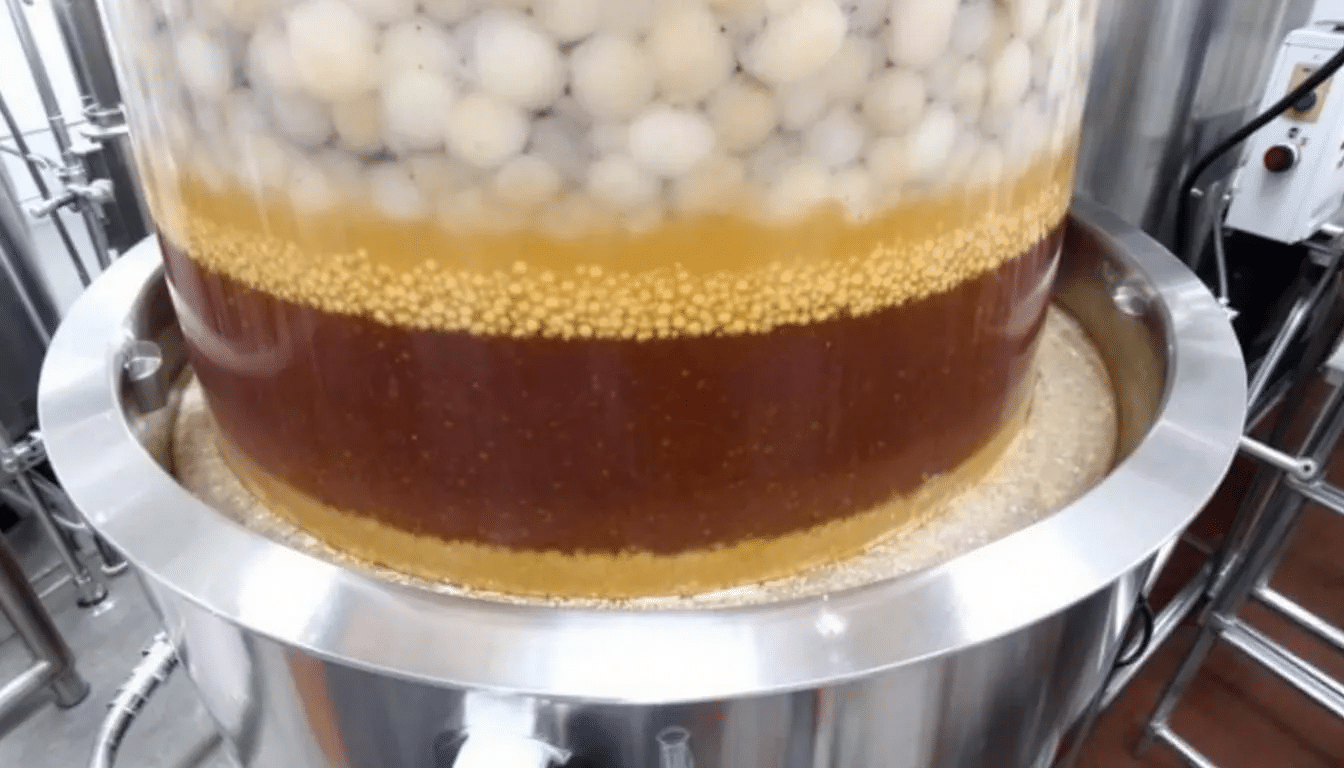
definition
Débourbage is a French winemaking term that refers to the settling and removal of solid particles (collectively called “bourbes”) from freshly pressed grape juice before fermentation begins. These solids include grape skins, pulp fragments, stems, seeds, soil particles, and other debris that naturally occur when grapes are crushed and pressed. After pressing, the juice is carried from the press to the settling vat, where the next stage of clarification takes place.
The process involves allowing the juice to rest in a vat or tank, typically at cool temperatures, so gravity causes the heavier particles to settle to the bottom. The vat is filled with freshly pressed juice, and over time, the solids are separated from the juice as the particles sink.
The clarified juice is then racked off (transferred) from the top, leaving the sediment behind. To further explain, débourbage is important because it improves wine clarity and quality by removing unwanted solids early in the process. This settled sediment is what gives the technique its name—“débourbage” literally means “de-mudding” or removing the lees.
How is it used
Débourbage is a key step in the vinification process, traditionally performed in the winery to clarify grape juice before fermentation.
The débourbage process typically follows these steps:
The freshly pressed juice is transferred to a settling tank in the winery and held at cool temperatures, usually between 10-15°C (50-59°F). This cool temperature slows down the onset of spontaneous fermentation and promotes better settling. The juice is left undisturbed for 12 to 24 hours; some winemakers extend this to 48 hours depending on the clarity and characteristics of the vintage.
Winemakers may add enzymes (pectinases) to help break down pectins that keep particles suspended, facilitating faster and more complete settling. Sulfur dioxide (SO₂) is often added to prevent premature fermentation and protect against oxidation during this vulnerable stage, and reduce the risk of spoilage.
Once adequate settling has occurred, the clear juice is carefully racked off the top portion of the tank, leaving the compact sediment layer behind. The level of clarity desired varies by winemaking style—some prefer nearly crystal-clear juice, while others retain more solids for additional complexity. The clarity achieved during débourbage directly impacts the quality of the wine, as it influences both the purity and stability of the final product.
Débourbage is an essential part of the vinification process, reflecting long-standing practices aimed at producing high-quality wines.
Why is it important
Débourbage plays several crucial roles in white and rosé wine production offering significant benefits such as improved clarity, stability, and sensory quality, and it is actually a traditional technique that deserves recognition for its essential role in quality winemaking.
Fermentation control: Removing excess solids makes fermentation more predictable and easier to manage. Too many solids can lead to stuck or sluggish fermentations or create off-flavors when certain compounds are reduced.
Aromatic purity: The clean fermentation of clarified juice tends to produce wines with more delicate, precise fruit aromas and fresher character. Excessive solids can contribute heavy, vegetal, or bitter notes that mask varietal character.
Colour stability: In white wine production, removing phenolic compounds through débourbage helps maintain pale, bright colours and prevents premature browning. For rosé wines, it helps achieve the desired delicate pink hue.
Reduction of bitterness: Tannin and other phenolic compounds from skins and seeds can impart unwanted bitterness and astringency in white wines. Débourbage removes these before they’re incorporated during fermentation.
Racking: After settling, winemakers rack the clarified juice off the sediment, further improving quality and reducing the risk of off-flavors.
Improved aging potential: Wines made from properly settled juice tend to be more stable and require less intervention later, with cleaner flavors that age more gracefully.
Fermentation Process
The fermentation process is at the absolute heart of winemaking, transforming simple grape juice into the magical elixir we call wine! This incredible stage is where the real magic happens: tiny yeasts work their wonders, converting natural sugars in grapes into alcohol while releasing carbon dioxide, and a whole host of aromatic and flavor compounds that give each wine its unique personality.
Two main types of fermentation play crucial roles in wine production. Alcoholic fermentation, where yeasts—either naturally on the grapes or added by winemakers—feast on the sugars in the juice and produce alcohol. This essential process works for both white and red wines, but the approach differs quite dramatically depending on the style being crafted.
For white wine production, the winemaking process typically begins with separating grape solids from the juice after it is pressed. The juice then undergoes a clarification stage that’s absolutely critical for quality. This often involves a settling process where:
• Grape skins settle to the bottom • Pulp fragments drop out of suspension
• Other unwanted solids are naturally separated
The crystal-clear juice is then carefully racked off, leaving behind all that sediment and lees. This meticulous attention to clarity helps achieve that fresh, vibrant profile that makes white wines so refreshing!
In complete contrast, red wine production relies on keeping the grape skins in contact during fermentation—without them, it would be white wine. After the grapes are pressed, the juice, skins, and sometimes even whole bunches are transferred to fermentation tanks for the maceration process.
This extraction allows the wine to pull color, tannins, and complex flavors from the skins, which are essential for the structure. The duration can vary—some winemakers go for a short extraction (just a few days) to produce lighter styles, others extend the process for weeks to achieve incredible intensity and aging potential.
Throughout fermentation, carbon dioxide bubbles up as a natural byproduct, creating quite a lively environment in the tank! You can actually hear it bubbling away if you listen closely. The winemaker closely monitors this process to ensure the wine develops exactly as intended, avoiding disasters such as over-extraction or spoilage. The choice of fermentation vessel makes a difference; stainless steel tanks deliver a clean, fruit-driven style while traditional oak barrels add complexity and richness that can transform the entire character of the wine!
After alcoholic fermentation wraps up, many wines undergo a secondary process known as malolactic fermentation—and this is where things get really interesting! This stage involves specific bacteria converting sharper malic acid into much softer lactic acid, resulting in a rounder, more balanced mouthfeel. Malolactic fermentation is important for white wines such as Chardonnay, where it adds a creamy, buttery texture and subtle complexity, as well as in most red wines to soften harsh acidity and boost stability.
When is débourbage not used for grape solids
Several winemaking scenarios call for skipping or minimizing débourbage:
Orange or skin-contact wines: These intentionally ferment white grapes with their skins, so removing solids beforehand would defeat the purpose. Maximum skin contact is desired for the extraction of color, tannins, and flavor compounds. Before fermentation, the grapes are typically pressed to extract juice while retaining skins, which is essential for this style.
Full-bodied white wine styles: Some winemakers seeking richer, more textured whites deliberately retain more solids during the fermentation process. The additional particles contribute to greater mouthfeel, complexity, and weight—characteristics valued in certain Chardonnay styles, for example. The timing of the harvest and careful selection of grapes at optimal ripeness are crucial for achieving the desired style.
Natural winemaking: Many natural wine producers minimize intervention and may ferment with all native solids intact, believing this contributes to authenticity and terroir expression. This approach emphasizes a deep connection to the earth, allowing the vineyard’s unique environment and soil to shape the wine’s character.
Red wine production: Débourbage is irrelevant for red wines since they’re fermented with their skins anyway. The extended maceration period means solids are integral to the process.
Practical constraints: Small-scale producers or those without temperature-controlled tanks may find the time and equipment requirements impractical, proceeding directly to fermentation instead. Traditional methods can be slow, requiring patience and careful attention throughout the process.
These alternative approaches not only reflect historical traditions but may also influence the future of winemaking as producers continue to innovate and explore new possibilities.
Conclusion
Débourbage represents one of those subtle but significant decisions that separate winemaking from simple grape fermentation. While it adds time and requires careful attention, this traditional French technique gives winemakers precise control over the building blocks of their wine. By removing unwanted solids before fermentation begins, débourbage sets the stage for cleaner, more aromatic, and more stable white and rosé wines. After débourbage and other essential steps like fermentation and aging, bottling serves as the final stage, preparing the wine for storage and sale.
However, like many aspects of winemaking, débourbage isn’t universally “correct”—it’s a tool that skilled winemakers employ or eschew based on their desired style. The growing diversity of white wine styles, from crisp and mineral to rich and textural, means that the choice of whether and how much to clarify juice remains an important expression of winemaking philosophy.