
Dolcetto
Dolcetto is a red wine grape variety that produces soft, approachable wines with moderate tannins and bright acidity. The name…
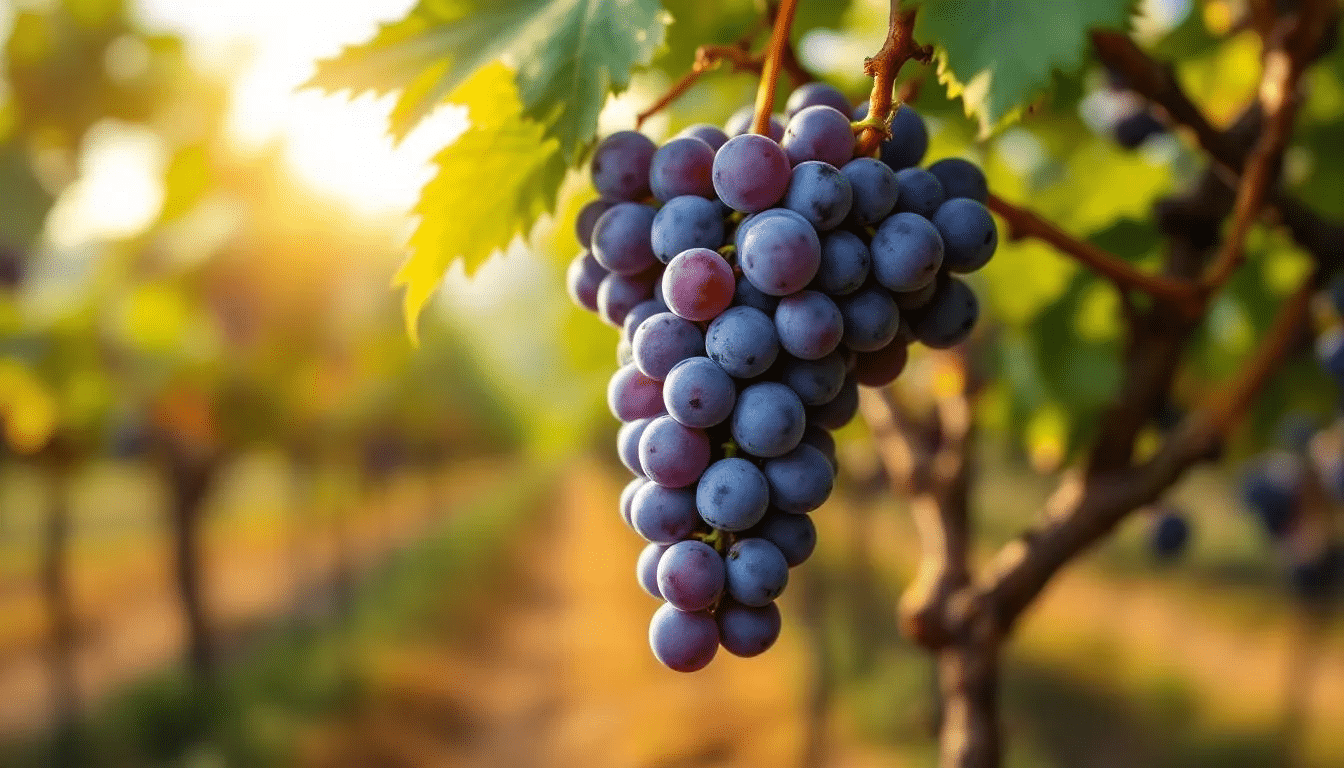
definition
Dolcetto is a red wine grape variety that produces soft, approachable wines with moderate tannins and bright acidity. The name means “little sweet one” in Italian, though the wines are typically dry and are not made into sweet wine. Dolcetto wines are known for their deep purple color, berry fruit character, and smooth drinkability.
Origins of Dolcetto
Dolcetto is originally from the Piedmont region of northwestern Italy, where it has been cultivated for centuries. The grape is believed to have ancient roots in this mountainous region, particularly in the provinces of Cuneo and Asti. Historical records suggest that it may have been grown in Piedmont as early as the 11th century, making it one of the region’s oldest indigenous varieties.
The name ‘Dolcetto’ means little sweet one in Italian, but the wines produced are almost always dry. The grape likely developed in the hills around Alba and the Langhe district, where the continental climate and varied soils provided ideal growing conditions. Unlike some Italian varieties that spread throughout the Mediterranean, Dolcetto remained closely tied to its Piedmontese homeland for most of its history. In Liguria, Dolcetto is known by the name Ormeasco.
What Makes Dolcetto Unique
Dolcetto stands apart from other red wines with several distinctive characteristics. The grape ripens early in the season, typically harvested in September, which allows it to develop good fruit concentration while maintaining fresh acidity. This early ripening also means it can be grown in cooler sites where later-ripening varieties like Nebbiolo might struggle.
The wine’s tannin structure is notably soft and approachable, making Dolcetto wines accessible even when young. The fruit flavors in Dolcetto are often framed by these soft tannins, creating a balanced and harmonious profile. Unlike the austere tannins of Barolo or Barbaresco, Dolcetto offers immediate drinking pleasure without requiring extended aging. The grape naturally produces wines with vibrant acidity, which provides freshness and food-friendly qualities, and is most commonly grown in northwest Italy. The source of Dolcetto’s low acidity is linked to the grape’s genetic makeup, which also influences its aging potential.
Another unique aspect is Dolcetto’s ability to express terroir while remaining consistently approachable. The grape adapts well to different soil types within Piedmont, from the calcareous marls of some areas to the sandier soils of others, each imparting subtle variations in flavor and structure.
Where Dolcetto Grows in the World
The grape has found homes in other wine regions around the world. Within Italy, Piedmont produces the most significant and highest-quality Dolcetto wines, with seven DOC appellations dedicated to the variety, including Dolcetto d’Alba, Dolcetto di Dogliani, and Dolcetto d’Asti.
Small plantings exist elsewhere in Italy, particularly in Liguria, where the grape is sometimes called Ormeasco. In France, limited plantings can be found in Provence and other southern regions, though these remain relatively minor.
The grape has also been planted in several New World wine regions. California has some Dolcetto, particularly in areas with Italian winemaking traditions. Dolcetto wines are also produced in Texas, highlighting the grape’s adaptability outside Italy. Australia has experimented with varieties, especially in regions like the Adelaide Hills and McLaren Vale. There are some vineyards of Dolcetto in Argentina, where the vines were brought by immigrants along with other Piedmontese varieties.
However, Dolcetto’s global presence remains limited compared to other Italian varieties like Sangiovese or Nebbiolo, partly due to its specific growing requirements and the challenge of marketing a lesser-known variety.
Dolcetto Appellations
Within Piedmont, several appellations are dedicated exclusively to Dolcetto wine production, most notably Dolcetto d’Alba and Dolcetto di Dogliani, both of which hold their own prestigious DOC status. These regions are celebrated for producing wines that capture the essence of the grape—vibrant, approachable, and full of character.
Beyond these flagship appellations, Dolcetto is also featured in other Piedmont DOCs, such as Colli Tortonesi, Langhe, Monferrato, and Piemonte, where it can appear either as a varietal wine or as part of a blend. Piedmont’s commitment to Dolcetto is evident in the sheer scale of its plantings, accounting for about 98% of Italy’s total Dolcetto vineyard area—roughly 6,000 hectares. This concentration ensures that the region remains the global reference point for Dolcetto wines.
Whether enjoyed as Dolcetto di Dogliani, Dolcetto d’Alba, or under another appellation, these wines showcase the deep connection between the grape, the vineyard, and the northwest Italian landscape that has nurtured it for centuries.
How Winemakers Use Dolcetto
Winemakers typically handle Dolcetto with a focus on preserving its natural fruit character and soft tannin structure. Dolcetto wines are produced with careful attention to maintaining the grape’s vibrant fruitiness. It is usually vinified as a single-variety wine, though some producers create blends with other Piedmontese varieties.
Fermentation is often conducted in stainless steel or neutral vessels to maintain the fresh berry fruit qualities. Some winemakers use brief skin contact to extract color and flavor while avoiding harsh tannin extraction. Serving Dolcetto too cold can make its tannins feel more astringent, so proper serving temperature is important to highlight its fruit and floral notes. The fermentation temperature is typically controlled to preserve the wine’s aromatic compounds.
Many producers opt for minimal oak aging, preferring to bottle Dolcetto relatively young to showcase its immediate appeal. You do not need to wait many years before Dolcetto is ready to drink, as it is crafted for early enjoyment. When oak is used, it’s usually older barrels or brief exposure to avoid overwhelming the wine’s delicate fruit character. Some modern winemakers experiment with concrete or clay vessels to add texture without masking the grape’s natural qualities.
The timing of harvest is crucial for Dolcetto, as it can quickly lose acidity if left too long on the vine. Winemakers must balance achieving full flavor ripeness while maintaining the bright acidity that makes Dolcetto so food-friendly.
Tasting Notes and Dolcetto Wine Specifications
Color: A is a brightly colored wine, typically displaying a deep ruby to purple hue, often with violet highlights when young. The wine generally maintains good color intensity throughout its drinking window.
Aroma: The aromatic profile features fresh red and black fruits, particularly cherry, plum, and blackberry. Floral notes of violet are common, subtle hints of almonds, and sometimes licorice undertones. Well-made examples may show hints of spice and earth.
Flavor: On the palate, Dolcetto offers juicy fruit flavors that mirror the aromatics. Cherry and plum dominate, and nuances of cocoa are supported by good acidity that provides freshness. The finish often shows a characteristic, slight bitter almond note, which is considered a positive trait in quality Dolcetto. Some people mistakenly expect Dolcetto to be sweet, but it is a dry red wine.
Structure: The wine typically shows moderate alcohol levels (12-14%), soft to moderate tannins, and bright acidity. Dolcetto does not have overpowering tannins, making the wine approachable. The texture is generally smooth and approachable, with a medium body that makes it versatile for food pairing.
Aging: Most Dolcetto is designed for early consumption, typically consumed within a few years of vintage, often just weeks or months after release. Some are released as early as July of the year following harvest. The wine’s charm lies in its youthful fruit character, though well-made examples from good vintages can develop complexity with a few years of bottle age in the cellar.
Food Pairing: Moderate tannins and bright acidity make the kind of wine that pairs well with a variety of foods. It pairs beautifully with antipasti, charcuterie, aged cheeses, pasta dishes, particularly those with tomato-based sauces, pizza, grilled vegetables, moderate-intensity meat dishes, Mediterranean cuisine, and slightly spicy cuisine.
Should You Try Dolcetto?
Dolcetto offers an excellent entry point into Piedmontese wines and Italian wine culture more broadly. For those intimidated by the power and complexity of Barolo or put off by the cost, Dolcetto provides an authentic taste of the region’s winemaking traditions at an accessible price point.
The wine’s versatility makes it suitable for casual weeknight dinners and more formal meals. Its food-friendly nature means it pairs well with many cuisines, making it a useful addition to any wine collection.
For wine enthusiasts interested in exploring lesser-known varieties, Dolcetto represents a fascinating study in how terroir and tradition shape wine character. The grape’s expression of place, combined with its approachable nature, makes it an ideal wine for both novices and experienced drinkers.
Conclusion
Dolcetto represents the soul of Piedmontese winemaking – unpretentious, food-friendly, and deeply rooted in local tradition. While it may never achieve the prestige of Barolo or the international recognition of Chianti, Dolcetto offers something equally valuable: honest, delicious wine that enhances everyday meals and brings people together around the table.
The grape’s future seems secure, supported by traditional winemakers who understand its role in Piedmontese culture and innovative winemakers exploring its potential. For wine lovers, Dolcetto provides a reminder that great wine doesn’t always need to be expensive or complex – sometimes the most memorable bottles are those that simply taste good and make food taste better.
As the wine world continues to embrace diversity and authenticity, Dolcetto stands as a perfect example of how regional traditions can offer both historical significance and contemporary relevance. Whether you’re exploring Italian wines for the first time or deepening your knowledge of Piedmontese varieties, Dolcetto deserves a place on your table and in your glass.