
Falanghina
Origins of Falanghina Falanghina is one of Italy’s most ancient white wine grape varieties, with roots tracing back over 2,000…
definition
Origins of Falanghina
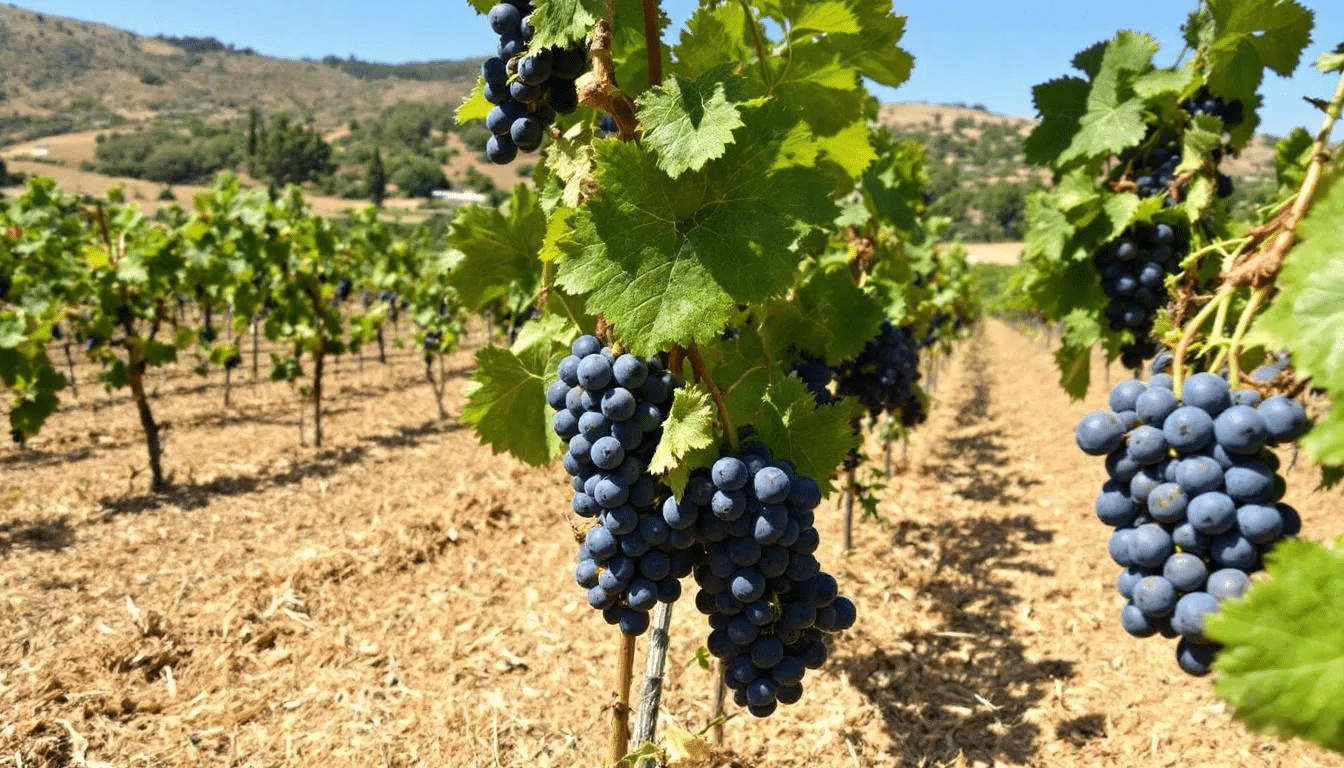
Falanghina is one of Italy’s most ancient white wine grape varieties, with roots tracing back over 2,000 years to the Roman era. The name itself derives from the Latin “falanga,” referring to the wooden poles used to support the vine trellises—a testament to the grape’s long history in Italian viticulture and the cultivation of vines in this region.
This historic variety was likely cultivated by the ancient Romans in the Campania region of southern Italy, where it flourished in the volcanic soils around Mount Vesuvius. Archaeological evidence suggests that Falanghina may have been the grape used to produce the famous Falernian wine, which was considered among the finest wines of the Roman Empire and was praised by poets like Horace and Pliny the Elder.
Today, some of the most renowned Falanghina wines are labeled ‘Falanghina del Sannio’, produced from vines located in the Sannio region just north of Naples, underlining the importance of this area in the grape’s history and regional identity.
What Makes the Falanghina Grape Unique
Falanghina stands out among Italian white wines for several distinctive characteristics. The grape demonstrates remarkable adaptability to volcanic and calcareous soils, producing wines with a distinctive mineral backbone that reflects its terroir. Unlike many modern white varieties, Falanghina is defined by its high acidity, maintaining excellent natural acidity even in warm climates, which makes it particularly suited to southern Italy’s Mediterranean conditions.
The variety is known for its ability to express terroir exceptionally well, with wines showing marked differences based on soil composition, altitude, and microclimate. Falanghina also possesses natural resistance to many vine diseases, making it a sustainable choice for organic and biodynamic viticulture.
Where Falanghina Grows in Southern Italy and the World
While Falanghina’s spiritual home remains in southern Italy, particularly in Campania, the grape has found new territories in recent decades. In Italy, it’s most prominently grown in:
Campania: The variety’s heartland, particularly in the provinces of Avellino, Benevento, and Caserta, where it benefits from volcanic soils and a Mediterranean climate.
Molise: Falanghina del Molise DOC produces some exceptional expressions of the variety.
Lazio: Increasingly planted in the region’s white wine blends and single-varietal wines.
Sicily: Modern plantings are showing promise in the island’s diverse microclimates.
Outside Italy, Falanghina has begun to appear in experimental plantings in Australia, California, and Argentina, where forward-thinking winemakers are exploring its potential in warm-climate viticulture.
Types of Falanghina
Falanghina is not just a single grape, but a family with two distinct personalities: Falanghina Beneventana and Falanghina Flegrea, sometimes called Falanghina Greco in certain regions.
Each type is deeply rooted in its corner of southern Italy, and the differences in where they are grown give rise to unique wine experiences. Falanghina Beneventana thrives in the inland hills of the Benevento region, where calcareous and clay soils help produce white wines that are richer and more full-bodied. In contrast, Falanghina Flegrea is planted in the volcanic soils of the Campi Flegrei near Naples, resulting in lighter, more aromatic wines that capture the sea breeze and mineral essence of the coast.
These two types are never blended, a practice protected by strict DOC regulations and cherished local traditions. This ensures that each wine expresses the true character of its region, whether it’s the robust structure of Falanghina Beneventana or the delicate aromatics of Falanghina Flegrea. Both types are celebrated for their high acidity, which makes them ideal for a range of wine styles—from crisp, refreshing white wines to sparkling and even passito dessert wines.
Their adaptability to different climates and soils has sparked growing interest among winemakers beyond Italy, who are now planting Falanghina grapes in new regions to explore their potential as high-quality, heat-resistant white varieties. Whether you’re a fan of Falanghina Greco or Falanghina Beneventana, these grapes offer a fascinating glimpse into the diversity and richness of Italian wine.
How Winemakers Use Falanghina
Falanghina’s versatility allows winemakers to craft wines in various styles. Most commonly, it’s vinified as a fresh, crisp white wine using temperature-controlled fermentation in stainless steel tanks to preserve its natural acidity and fruit character. The grape responds well to both early harvest for lighter, more acidic wines and later harvest for fuller-bodied expressions.
Some producers experiment with partial malolactic fermentation to add texture and complexity, while others employ brief skin contact to enhance aromatics and structure. In some cases, a portion of the wine is left on the lees after fermentation to further enhance structure and complexity. Falanghina also shows promise in sparkling wine production, where its natural acidity provides an excellent foundation for traditional method sparklers.
Oak aging is used judiciously by some winemakers, typically involving older barrels or brief contact to add complexity without overwhelming the grape’s delicate fruit character. The variety also works well in blends, often paired with other southern Italian whites like Greco or Fiano.
Tasting Notes and Wine Specifications
Color: Falanghina wines typically display a pale straw yellow color with greenish highlights, sometimes showing golden tones in more mature examples or oak-aged versions.
Aroma: The aromatic profile is characterized by fresh citrus notes of lemon and lime, complemented by white flowers, particularly hawthorn and acacia. More complex examples may show hints of herbs, Mediterranean scrub, and subtle mineral notes that reflect the grape’s volcanic terroir.
Flavor: On the palate, Falanghina offers bright citrus flavors, particularly lemon and grapefruit, balanced by stone fruit notes of peach and apricot. The wine often displays a distinctive saline quality and mineral finish that speaks to its coastal origins and volcanic soil heritage.
Structure: Well-made Falanghina wines are medium-bodied with excellent natural acidity, typically ranging from 6-7 g/L. The alcohol content usually falls between 12-13.5%, providing good balance without excessive weight. The wine’s structure is supported by fine tannins and a clean, persistent finish.
Aging: Most Falanghina wines are designed for immediate consumption and are best enjoyed within 2-3 years of vintage to preserve their fresh, vibrant character. However, premium examples from exceptional producers can age gracefully for 5-8 years, developing more complex honeyed and mineral notes.
Food Pairing: Falanghina’s versatility makes it an excellent food wine. It pairs beautifully with seafood, particularly shellfish, grilled fish, and crudo preparations. The wine’s acidity cuts through rich dishes like risotto or creamy pasta, while its mineral backbone complements vegetables and light poultry dishes. Regional pairings include mozzarella di bufala, fresh herbs, and Mediterranean cuisine.
Culinary Pairing with Falanghina
Pairing food with Falanghina is a journey into the heart of southern Italy, where bright, zesty white wines meet the region’s vibrant cuisine. The lively citrus and floral notes—think lemon zest and spring blossoms—make Falanghina a natural companion for seafood dishes, from grilled fish to delicate shellfish salads. Its refreshing acidity brings balance to richer fare like risotto, hard cheeses, and creamy pasta, cutting through the weight and leaving the palate clear and invigorated.
If you’re planning to purchase a bottle of Falanghina to drink today, consider how the wine’s taste profile can elevate your meal. A common mistake is to overlook the classic pairings from Campania, where local specialties such as mozzarella di bufala, fresh herbs, and Mediterranean vegetables are perfectly balanced by a glass of Falanghina. To truly appreciate the color, weight, and character of this wine, take a moment to review the vineyard and vintage—climate and soil can make each bottle a unique product.
Whether you log in to order online or pick up a bottle from your favorite shop, confirming your choice of Falanghina means adding a touch of Italian sunshine to your table. As you add this wine to your cart and complete your order, you’re not just purchasing a drink—you’re inviting a moment of Italian tradition and love into your day. With every sip, you’ll discover why Falanghina remains a beloved staple among Italy’s white wines, ready to leave a lasting impression on your palate and inspire your next culinary adventure.
Falanghina Today
Contemporary Falanghina is experiencing a renaissance as part of the broader revival of indigenous Italian grape varieties. This revival has gained significant momentum since the turn of the 21st century, marking a renewed interest and increasing recognition of Falanghina’s value.
Modern winemakers are rediscovering the variety’s potential, employing both traditional techniques and innovative approaches to showcase its unique character.
Quality-focused producers are investing in vineyard management practices that maximize the grape’s expression of terroir, including organic and biodynamic farming methods. The wine has gained recognition in international markets, with critics and consumers appreciating its authentic character and food-friendly nature.
The variety is also benefiting from Italy’s focus on sustainable viticulture, as Falanghina’s natural disease resistance makes it well-suited to reduced-intervention farming practices. This has led to increased plantings and renewed interest from both domestic and international wine enthusiasts.
Should You Try Falanghina?
Falanghina offers an authentic taste of southern Italy’s winemaking heritage and represents excellent value in the white wine category. Wine enthusiasts interested in exploring indigenous Italian varieties will find Falanghina particularly rewarding, as it offers both historical significance and contemporary relevance.
The wine’s food-friendly nature makes it an excellent choice for those who enjoy pairing wine with meals, while its mineral complexity appeals to drinkers seeking something beyond mainstream international varieties. For those interested in sustainable wine production, Falanghina’s natural hardiness and low-intervention potential make it an appealing choice.
Given its reasonable pricing and increasing availability, Falanghina presents an accessible entry point into the world of indigenous Italian wines without requiring significant investment or extensive wine knowledge to appreciate.
Conclusion
Falanghina represents a perfect marriage of ancient tradition and modern winemaking, offering wine lovers a genuine taste of Italy’s viticultural heritage. From its origins in Roman vineyards to its contemporary renaissance, this grape variety continues to demonstrate why indigenous varieties deserve a place in today’s wine world.
With its distinctive mineral character, excellent food compatibility, and honest expression of terroir, Falanghina stands as a testament to the enduring value of traditional grape varieties. As the wine world increasingly values authenticity and sustainability, Falanghina’s time-tested qualities and adaptability ensure its continued relevance for generations of wine enthusiasts to come.
Whether you’re a seasoned wine collector or a curious beginner, Falanghina offers an opportunity to experience a piece of winemaking history while enjoying a thoroughly modern and satisfying wine experience.