
Habillage
Habillage (from the French word, meaning “dressing” or “clothing”) refers to the complete external presentation and packaging elements of a…
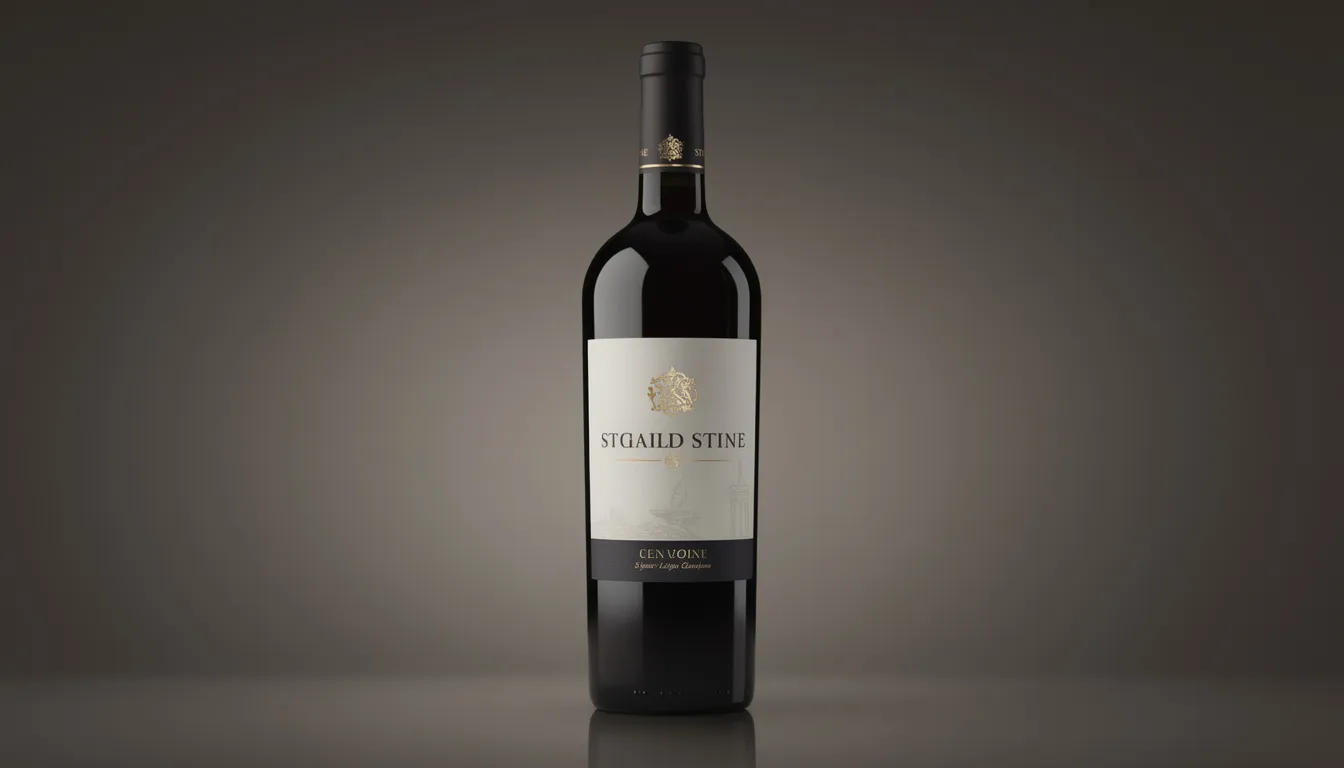
definition
Habillage (from the French word, meaning “dressing” or “clothing”) refers to the complete external presentation and packaging elements of a wine bottle, specifically the glass bottle itself. This encompasses everything that adorns the bottle to identify, protect, and market the wine, including:
- The label (front and back)
- The capsule or foil covering the cork
- The cork itself
- The neck label (collerette)
- Any seals, medals, or decorative elements
- Sometimes the bottle shape and color
 Wine color refers to the visual appearan… More

Habillage is essentially the wine’s “outfit” — the visual identity that consumers see on the shelf. It serves both practical functions (providing legally required information, protecting the closure) and marketing purposes (attracting buyers, conveying brand identity and quality).
Importance of Habillage
Habillage plays several critical roles in the wine industry:
Brand Identity and Marketing: Wineries carefully design their habillage to reflect their brand personality, whether traditional, modern, luxury, or approachable. The design choices communicate the wine’s style, origin, and target market before a single sip is taken.
Legal Compliance: Wine labels are required to include specific information depending on the region where they were produced, such as alcohol content, volume, origin designation (like AOC in France or AVA in the US), producer information, and health warnings. The habillage ensures this information is properly displayed. Regulations may also specify requirements to produce wine, such as its origin, grape variety, or production method, to ensure it meets the standards for a wine produced in its denomination or appellation.
Protection: The capsule protects the cork and neck of the bottle from contamination and tampering, while also adding an aesthetic finishing touch. It prevents insects, dust, and moisture from affecting the closure.
Differentiation: In a crowded marketplace, distinctive habillage helps wines stand out. Unique bottle shapes, embossed labels, textured papers, or innovative closure presentations can make a wine memorable and recognizable.
Quality Signaling: Premium wines often feature more elaborate habillage — heavier paper stock, embossing, gold or silver foiling, and wax seals — to justify higher price points and communicate quality.
Wine Bottle Design
The design of a wine bottle is so much more than just a vessel for holding that delicious fermented alcoholic beverage—it’s absolutely crucial for the wine’s overall presentation and preservation! From the classic Bordeaux bottle with its straight sides and high shoulders (perfect for those bold red wines like Cabernet Sauvignon and Cabernet Franc) to the elegant, sloping Burgundy bottle favored for Pinot Noir and Chardonnay, each shape is carefully chosen to reflect the wine’s heritage and distinctive style. Sparkling wine, especially French sparkling wine from the Champagne region, gets bottled in thick-walled glass bottles designed to withstand the intense pressure of the secondary fermentation—ensuring both safety and centuries of tradition.
Color plays such a significant role, too! Dark green or brown bottles protect wine, shielding it from harmful light and preserving the delicate flavors of white wine and red wine. Clear bottles (often used for sweet wine or rosé) are chosen specifically to showcase their vibrant, beautiful hues that would otherwise be hidden. The bottle’s weight can actually signal quality wine—premium wines are often housed in heavier glass to convey substance and real value to discerning consumers!
Closures are another fascinating aspect! Natural cork, synthetic stoppers, or screw caps are all selected based on the wine’s specific aging process and intended drinking window (some wines are meant to be enjoyed young, others can age for decades). The capsule or foil not only adds that perfect finishing touch but also protects the cork from contamination and environmental damage. Even the bottle’s neck and shoulders are carefully considered, as they directly influence how the wine pours and how sediment collects in beautiful, mature wines.
Ultimately, wine bottle design is a blend of tradition, function, and smart marketing—helping to preserve the wine’s precious quality, express its unique origin story, and entice consumers whether they’re in the tasting room or browsing the retail shelf. It’s quite remarkable how much thought goes into something we might take for granted.
Wine Labeling and Branding
Wine labels are the ultimate storytellers of the wine world, offering that all-important first impression. A brilliantly crafted wine label does so much more than just display the name of the wine – it’s like a treasure map providing essential information about grape varieties, wine region, vintage, and producer.
French wine labels, for example, are renowned for their incredibly detailed classification systems, often indicating whether a wine comes from an officially classified vineyard or a specific appellation (talk about taking wine seriously!).
Branding through labels is a powerful tool in the wine industry – and what a tool it is! The design, typography, and imagery chosen for a wine label can instantly evoke the rich tradition of a historic Bordeaux wine estate, the exciting innovation of a modern farm winery, or the delightfully playful spirit of a fruit wines producer.
Labels for premium wines may feature gorgeous embossed details, elegant gold foiling, or unique artwork that makes your heart skip a beat. Entry-level wines and country wines often opt for approachable, easy-to-read designs (because wine should be enjoyable for everyone!).
Legal compliance is also an absolutely key aspect of wine labeling – and there’s more to it than you might think! Regulations require that labels include crucial information such as alcohol content, volume, origin, and health warnings (safety first, wine lovers!). For sparkling wine and traditionally made sparkling wines, sophisticated terms like “blanc de blancs,” “blanc de noirs,” or “dégorgement tardive” (a fancy French term for late disgorgement that sounds as elegant as it tastes!) help describe wines and their fascinating production methods.
For consumers, understanding wine terms and reading labels can enhance the wine tasting experience, making it easier to select balanced wines, discover exciting new grape varieties, and truly appreciate the incredible nuances of a particular wine’s origin and style! It’s like having a secret decoder ring for the wine world – once you know how to read these labels, every bottle becomes an adventure waiting to happen.
Conclusion
Habillage is far more than mere decoration; it’s an essential component of wine production and marketing that bridges function and aesthetics. It protects the product, communicates vital information, and serves as the wine’s silent ambassador on retail shelves. For producers, investing in thoughtful habillage design is crucial for brand positioning and consumer appeal.
For consumers, understanding habillage helps decode the story each bottle tells — though ultimately, what matters most is the quality of the wine inside. The most successful habillage strikes a balance between eye-catching design and authentic representation of the wine’s character.