
Inconsistent
Inconsistent ripening, also known as uneven ripening or asynchronous ripening, occurs when grapes within the same vineyard, or even on…
definition
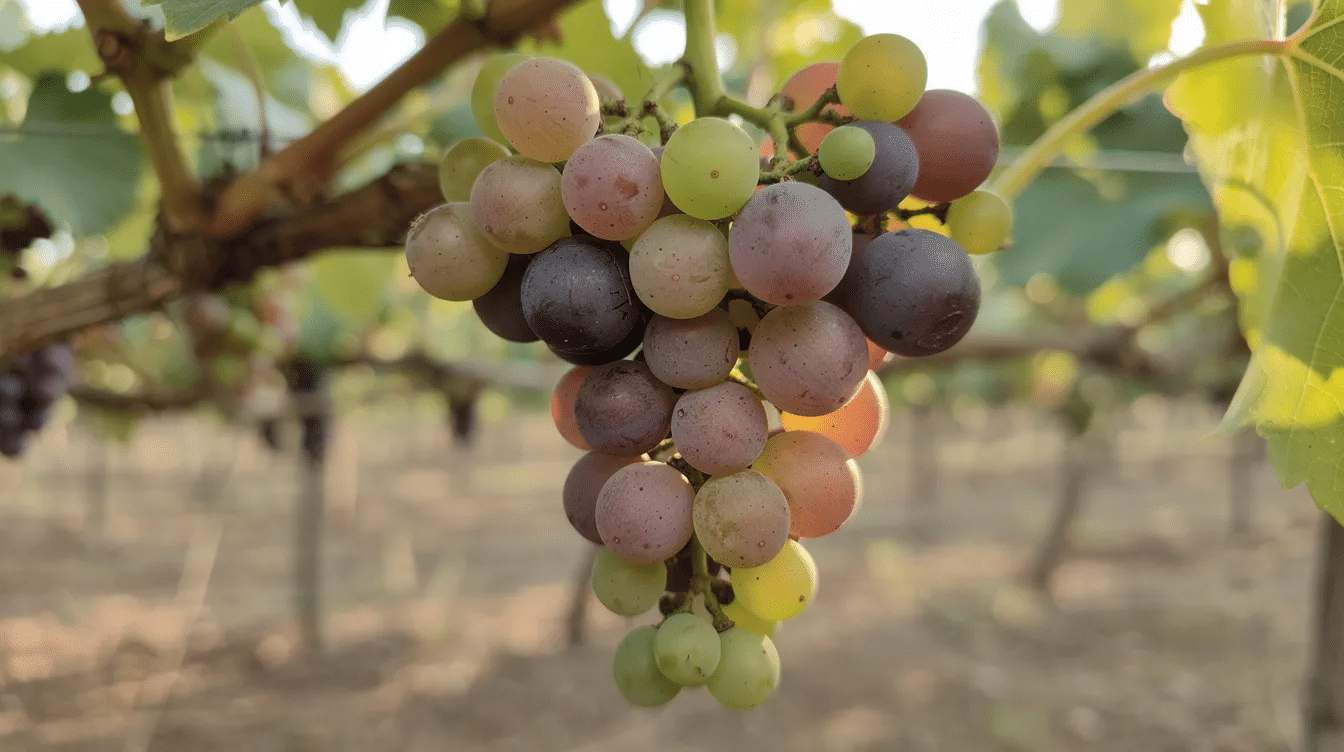
Inconsistent ripening, also known as uneven ripening or asynchronous ripening, occurs when grapes within the same vineyard, or even on the same vine or cluster, reach maturity at different rates. This phenomenon means that grapevines can ripen unevenly due to a range of environmental and physiological factors. Several factors contribute to this phenomenon:
Vine vigor variability is a primary cause. Differences in soil composition, water availability, and nutrient levels across a vineyard create variations in vine growth. Grapevine biology, including nutrient uptake and canopy management, directly affects how grapes ripen. More vigorous vines produce dense canopies that shade fruit, slowing ripening, while less vigorous vines may ripen faster.
Microclimate variations within the vineyard play a significant role in inconsistent ripening. Differences in sun exposure, airflow, slope, and elevation create pockets where grapes experience different temperatures and light conditions throughout the growing season.
Cluster positioning and grapes on the shaded side of the canopy or in dense foliage receive less sunlight and commonly suffer from inconsistent ripening as they ripen more slowly than exposed fruit. Even within a single cluster, berries can be at different stages of ripening, further complicating harvest decisions.
Water stress can exacerbate the problem. Inconsistent irrigation or rainfall patterns cause some vines to experience drought stress while others remain well-hydrated, leading to uneven sugar accumulation and phenolic development. Water management is essential for uniform grape ripening.
Disease and pest pressure may affect individual vines or sections of the vineyard differently, disrupting normal ripening patterns. These factors can interfere with fruit development and grape ripening by impacting the physiological processes within the berries. Additionally, excessive crop loads can strain a vine’s resources, making it difficult to ripen all fruit uniformly.
Certain varieties, such as Pinot Noir and Zinfandel, are more prone to ripening issues, and some grapevines are especially susceptible to uneven ripening due to their genetic and physiological characteristics.
Where It Is Most Common
Inconsistent ripening is particularly prevalent in several viticultural contexts and can significantly impact wine grapes, leading to challenges in producing high-quality wines.
Cool climate regions experience this issue more frequently because marginal growing conditions make it harder for all grapes to achieve full physiological maturity. Regions like Burgundy, parts of Germany, and cooler New World areas often struggle with uneven ripening. In contrast, warmer climates can allow for a longer and more uniform veraison period, enabling grapes to develop more consistent and complex flavors before harvest.
High-vigor sites with fertile soils and abundant water tend to produce excessive vegetative growth, which shades fruit and creates microclimates within the canopy that promote uneven maturation.
Vineyards with heterogeneous soils see variable vine performance across different soil types, leading to patches of early and late-ripening fruit.
Steep or varied terrain creates exposure differences that result in some sections receiving more sunlight and warmth than others.
Certain grape varieties are more susceptible to inconsistent ripening. Red grape varieties, such as Pinot Noir and Cabernet Franc, are particularly affected, especially in cool climates. Pinot Noir, for example, is notorious for ripening unevenly, with individual berries within the same cluster often showing different maturity levels. Cabernet Sauvignon in cooler sites can also exhibit this tendency. In some regions, harvest can span many weeks to accommodate the uneven ripening of fruit across a vineyard.
How Can Inconsistent Ripening Be Avoided?
Viticulturists and winemakers employ numerous strategies to promote uniform ripening. Grape growers and vineyard managers play a crucial role in monitoring and managing ripening, making key decisions throughout the season to ensure optimal fruit quality.
Canopy management is essential. Leaf removal, hedging, and shoot positioning improve light penetration and air circulation, helping fruit ripen more evenly. Removing leaves around clusters exposes fruit to sunlight while maintaining enough foliage for photosynthesis.
Crop thinning or green harvesting reduces the fruit load, allowing vines to direct energy toward ripening the remaining clusters uniformly. This practice is particularly effective when implemented early in the season.
Irrigation management ensures consistent water availability across the vineyard. Precision viticulture techniques using soil moisture sensors and targeted drip irrigation help eliminate hydric stress variations.
Soil mapping and precision viticulture allow growers to understand vineyard variability and manage different zones according to their specific needs. This might include varying fertilization, irrigation, or harvest timing by block.
Rootstock selection matched to soil conditions can moderate vine vigor and promote more uniform growth patterns across the vineyard.
Appropriate planting density and trellising systems ensure adequate spacing for light and air penetration while controlling vigor.
Multiple harvest passes (selective harvesting) allow pickers to return to the vineyard several times, taking only properly ripened fruit each time, though this is labor-intensive and expensive. During selective harvesting, grape skins and seeds are carefully assessed for phenolic maturity and flavor development to determine optimal ripeness.
Monitoring ripeness involves tracking not only acidity and color but also the accumulation of sugars and the evolution of aromatic compounds, which guide harvest timing and influence wine quality. As grapes ripen, the development of sweet flavors and aromas signals increasing maturity and readiness for harvest.
How It Affects Wine
Inconsistent ripening presents significant challenges for wine quality:
Flavor imbalance results when underripe grapes contribute harsh tannins, green or vegetal flavors, and high acidity, while overripe fruit brings excessive alcohol, jammy characteristics, and low acidity. The resulting wine lacks harmony and precision. Green flavors and green seeds from unripe grapes can further contribute to undesirable grassy aromas and bitterness in the finished wine.
Color and phenolic development suffer when some berries haven’t achieved adequate phenolic maturity. This produces wines with poor color stability, astringent tannins, and insufficient structure.
Alcohol levels become difficult to manage. Waiting for underripe fruit means overripe berries produce excessive sugar, leading to high-alcohol wines that lack balance and elegance.
Sorting requirements increase dramatically. Winemakers must invest more time and labor in sorting fruit at the winery, discarding underripe or overripe berries to maintain quality standards. Identifying and selecting only ripe berries is crucial to ensure optimal wine quality.
Winemaking decisions become more complex. Blending wines from different ripeness levels requires skill to achieve balance, and extraction protocols must account for the varied phenolic maturity of the fruit. Additionally, if high temperature is not properly managed during fermentation, it can lead to stuck fermentation, further complicating the winemaking process.
Economic impact is substantial. Lower-quality fruit, increased labor for sorting and selective harvesting, and potential declassification of wine all affect profitability.
Conclusion
Inconsistent ripening represents one of viticulture’s persistent challenges, arising from the complex interplay of environmental factors, site characteristics, and vineyard management practices. While it occurs to some degree in all vineyards, its impact is most pronounced in cool climates, high-vigor sites, and with certain susceptible varieties. The phenomenon directly compromises wine quality by creating flavor imbalances, structural deficiencies, and winemaking complications.
Fortunately, modern viticulture offers numerous tools to mitigate uneven ripening. Through careful canopy management, crop load adjustment, precision irrigation, and site-specific vineyard practices, growers can promote greater uniformity in grape maturation. When combined with selective harvesting and meticulous sorting, these approaches help ensure that only properly ripened fruit enters the winery.
Ultimately, addressing inconsistent ripening requires a holistic understanding of vineyard dynamics and a willingness to invest in both vineyard management and harvest protocols. As climate change brings new challenges to traditional growing regions, managing ripening uniformity will remain a critical focus for quality-conscious producers seeking to craft balanced, terroir-expressive wines.