
Inzolia
Inzolia (also called Ansonica) is one of Sicily’s most renowned and historic white grape varieties. This Mediterranean wine is special…
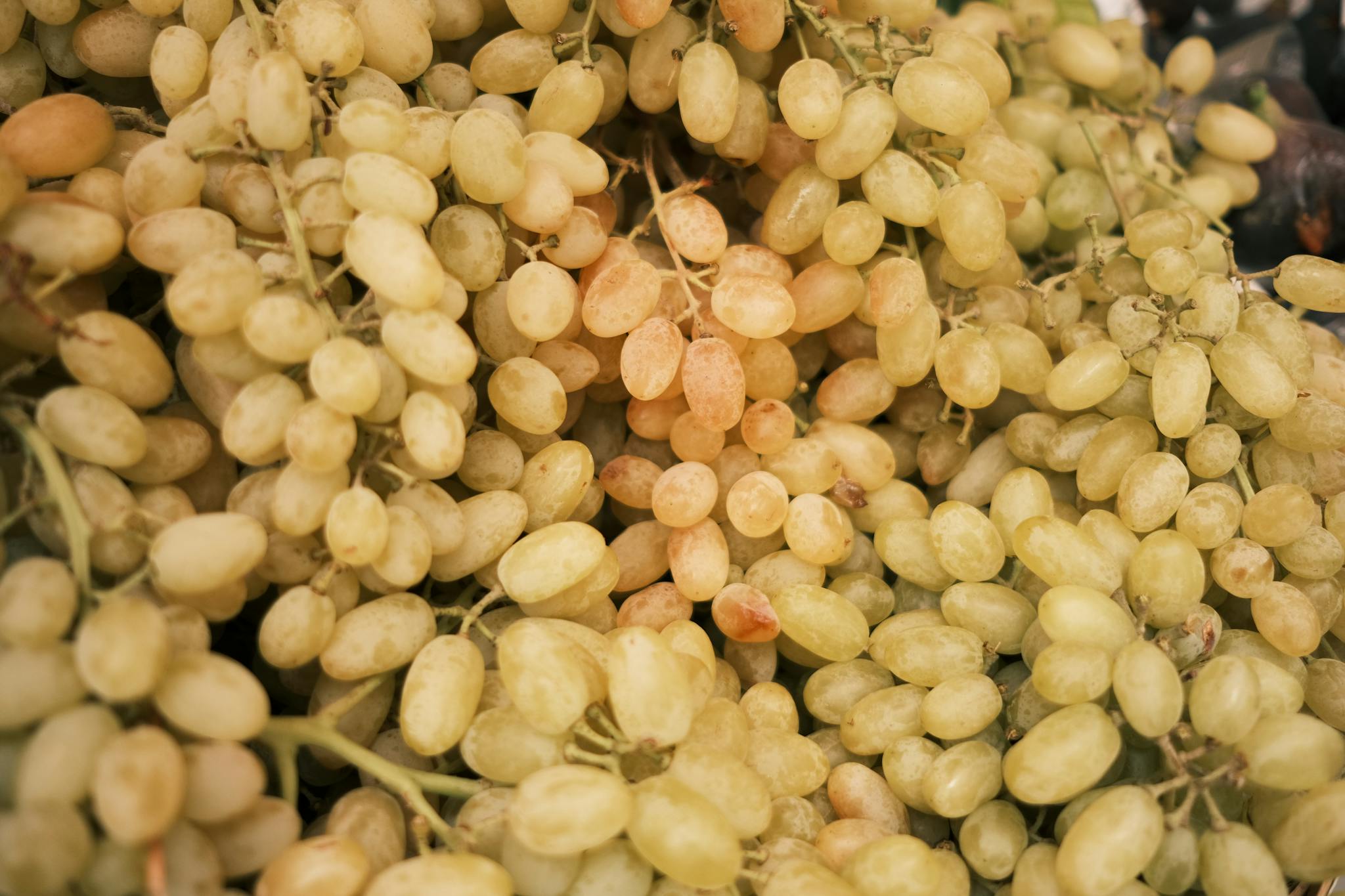
definition
Inzolia (also called Ansonica) is one of Sicily’s most renowned and historic white grape varieties. This Mediterranean wine is special and it definitely deserves a place in your glass.
What Kind of Wine Is Inzolia?
Inzolia is a white wine grape variety that produces medium-bodied wines with moderate acidity. The main characteristics of Inzolia include a balanced acidity, subtle nutty and herbal notes, and a refreshing profile influenced by Sicily’s Mediterranean terroir.
It is a moderately aromatic grape variety, offering a restrained yet appealing aromatic profile.
Inzolia creates dry white wines known for their subtle aromatics, nutty characteristics, and herbal qualities that beautifully express Sicily’s Mediterranean climate.
Inzolia is also appreciated for its light and floral expressions, which add elegance and versatility to its style.
Origins of the Inzolia Grape Varietal
Inzolia has ancient roots dating back to at least the 1500s, though many historians believe it originated in Sicily much earlier. The grape’s name comes from the Latin “insula” meaning “island,” highlighting its island heritage. Inzolia is significant in the region of Sicily and has also gained importance in other regions of Italy. Archaeological evidence suggests the grape may have been cultivated in Sicily since Greco-Roman times.
Historically, Inzolia was one of Sicily’s most widespread white varieties and was particularly important during the era when Marsala was becoming internationally famous, as it was one of the primary grapes used in crafting this fortified wine. Over time, Inzolia migrated to western Tuscany, where it is known as Ansonica, adapting to the land and becoming a key variety in that region. The influence of the Greeks and Greek grape varieties was crucial in introducing Inzolia to Sicily and southern Italy, with the western Mediterranean serving as a crossroads for grape migration. Ancient trade and migration routes through Spain and France also played a significant role in the spread of viticulture and grape varieties like Inzolia across Italy and beyond. The grape’s popularity in the past has evolved, with its reputation and appreciation continuing to grow among modern producers and consumers.
What Makes Inzolia Unique
Inzolia stands out for several reasons:
- Drought resistance: It thrives in Sicily’s hot, dry Mediterranean climate
- Flavor profile: Offers distinctive almond and herb notes not commonly found in other white wines, with styles ranging from light and floral to full bodied whites
- Versatility: Shows different characteristics depending on where and how it’s grown
- Historical significance: Represents centuries of Sicilian winemaking tradition
- Ability to reflect terroir: Clearly expresses the mineral-rich soils of Sicily
- Evolving reputation: Inzolia’s reputation has shifted from being mainly a blending grape to a respected varietal in its own right
Inzolia wines tend to lose acidity as they ripen, which influences their style and aging potential.
Overall, Inzolia is known for producing interesting wines with unique complexity.
Where Inzolia Grows in the World
While Inzolia has traveled beyond its homeland, it remains primarily a Mediterranean grape:
- Sicily: Its primary home, particularly in western Sicily (Trapani and Palermo provinces), where diverse vineyards stretch across the region. The hills of Sicily provide ideal conditions for grape ripening, and the unique combination of soils and microclimates in these vineyards contribute to the distinctive character of Inzolia wines.
- Tuscany: Known as Ansonica along the coast, especially in western Tuscany (notably on Elba island), where local vineyards and traditional vines play a key role in shaping the grape’s expression.
- Sardinia: Small plantings exist here
- Australia: Very limited experimental plantings
- California: Extremely rare, grown by a few innovative producers
The terrain, including hills and the specific sites of vineyards, greatly influences the style and quality of Inzolia wines.
How Winemakers Use Inzolia
Inzolia is prized for its versatility in winemaking:
- Varietal wines: Often bottled as a single-varietal wine showcasing its pure character
- Blending partner: Frequently used in blends with Catarratto
 Catarratto is a white wine grape variety… More, Grillo, and international varieties to add body and nutty notes. Inzolia is often blended with ChardonnayChardonnay is a white wine made from gre… More or Sauvignon BlancPronunciation: SO-vee-nyohn BLAHN (Frenc… More to enhance complexity and reflect regional styles.
- Marsala production: Historically a key component in Marsala, a renowned Sicilian fortified wine.
- Oak treatment: While traditionally unoaked, some modern producers use wood aging to add complexity and depth to the wine.
- Innovative styles: Some winemakers experiment with extended skin contact (on the skins) to produce unique orange wines.


Phenolic ripeness is crucial in determining the optimal harvest time for Inzolia, directly influencing wine style, balance, and flavor development.
Tasting Notes and Wine Specifications
Color:
Pale straw to medium gold, often with green reflections when young, deepening to golden hues with age.
Aroma:
Delicate floral expressions, including white flowers and almond blossom, combine with a nutty aroma, Mediterranean herbs (thyme, sage) and herbal notes, green apple, citrus zest, and distinctive minerality. Some examples show subtle honey or beeswax notes.
Flavor:
Crisp green apple, white peach, lemon, ripe fruit notes, toasted almond, fresh herbs, with a characteristic bitter almond finish. Higher-quality versions may display notes of honey, chamomile, and wet stone.
Structure:
- Body: Medium-bodied
- Acidity: Moderate (typically 5.5-6.5 g/L)
- Alcohol: 12-13.5% ABVWhat Does A.B.V. Mean in Wine? What does… More
- Texture: Often described as “oily” or having a certain weight on the palate
- Finish: Medium length with slight bitterness
- Sugar Content: Inzolia is known for its modest sugar content, which plays a key role in producing balanced, high-quality dry wines.

Aging:
Most Inzolia wines are intended for consumption within 1-3 years after release. Premium versions from quality producers can develop nicely for 5-7 years, gaining complexity and honeyed notes.
Food Pairing:
Inzolia’s moderate body and subtle flavors make it exceptionally food-friendly:
- Seafood, particularly Mediterranean preparations with olive oil, lemon, and herbs
- Grilled fish, especially swordfish and sea bass
- Shellfish and crustaceans, such as steamed clams with butter, shrimp, or crab
- Sicilian specialties like pasta con le sarde (pasta with sardines)
- Pasta dishes, especially light pasta dishes with delicate sauces
- Mushroom-based dishes and risotto, such as mushroom risotto or stews with mushrooms
- Fresh cheeses, particularly ricotta, and soft cheeses
- Vegetable dishes featuring artichokes, fennel, or fava beans
- White meat dishes, including chicken or turkey, either grilled or roasted
- Dishes with almond-based sauces that complement the wine’s nutty character
- Dishes with cream or butter, which enhance the wine’s texture and flavor
Serve Inzolia well chilled, but not overly cold, ideally around 50-54 °F (10-12 °C), to best enjoy its aromatic and iodized notes.
Inzolia also makes an excellent aperitif, pairing beautifully with light snacks, seafood, and cheeses.
The Role of Inzolia in the Wine World Today
Today, Inzolia is experiencing a renaissance as part of Sicily’s overall wine revival. While once primarily valued for Marsala production, modern winemakers are showcasing Inzolia’s potential as a quality varietal wine.
The grape benefits from the trend toward indigenous varieties and the growing international interest in authentic, terroir-driven wines. Modern winemaking techniques have elevated Inzolia’s quality, allowing it to better express its unique character.
Leading producers like Donnafugata, COS, and Planeta have helped bring attention to quality Inzolia productions, often highlighting sustainable and organic growing practices that suit the naturally hardy grape.
Should You Try Inzolia?
Absolutely! Inzolia offers several compelling reasons to seek it out:
- If you enjoy medium-bodied whites like VermentinoVermentino is a captivating white wine t… More, Greco, or unoaked Chardonnay, Inzolia provides a similar weight with unique flavor characteristics.
- It offers excellent value – quality Inzolia wines typically cost between $15-25, delivering complexity and character exceeding their price point.
- Its distinctive almond and herbal profile provides a genuine taste of Sicily’s terroir.
- Inzolia presents an opportunity to explore Italy’s rich viticultural heritage beyond more familiar varieties.
- Its food-friendly nature makes it versatile at the table.

Conclusion
Inzolia represents Sicily’s rich viticultural history while firmly establishing its place in contemporary wine culture. This ancient grape offers drinkers a distinctive taste of the Mediterranean – combining subtle fruit, nutty complexity, and herbal freshness that beautifully reflects its island origins.
As Sicily continues to gain recognition for quality wine production, Inzolia stands as one of its most characteristic white wine ambassadors – a grape that has quenched local thirsts for centuries and is now ready for wider appreciation on the world stage. Whether enjoyed on its own or paired with Mediterranean cuisine, Inzolia offers a delicious portal into Sicily’s unique wine heritage.