
Polishing
Wine polishing, also known as wine finingWine fining is a clarification process u… More or clarificationClarification is the process of…
definition
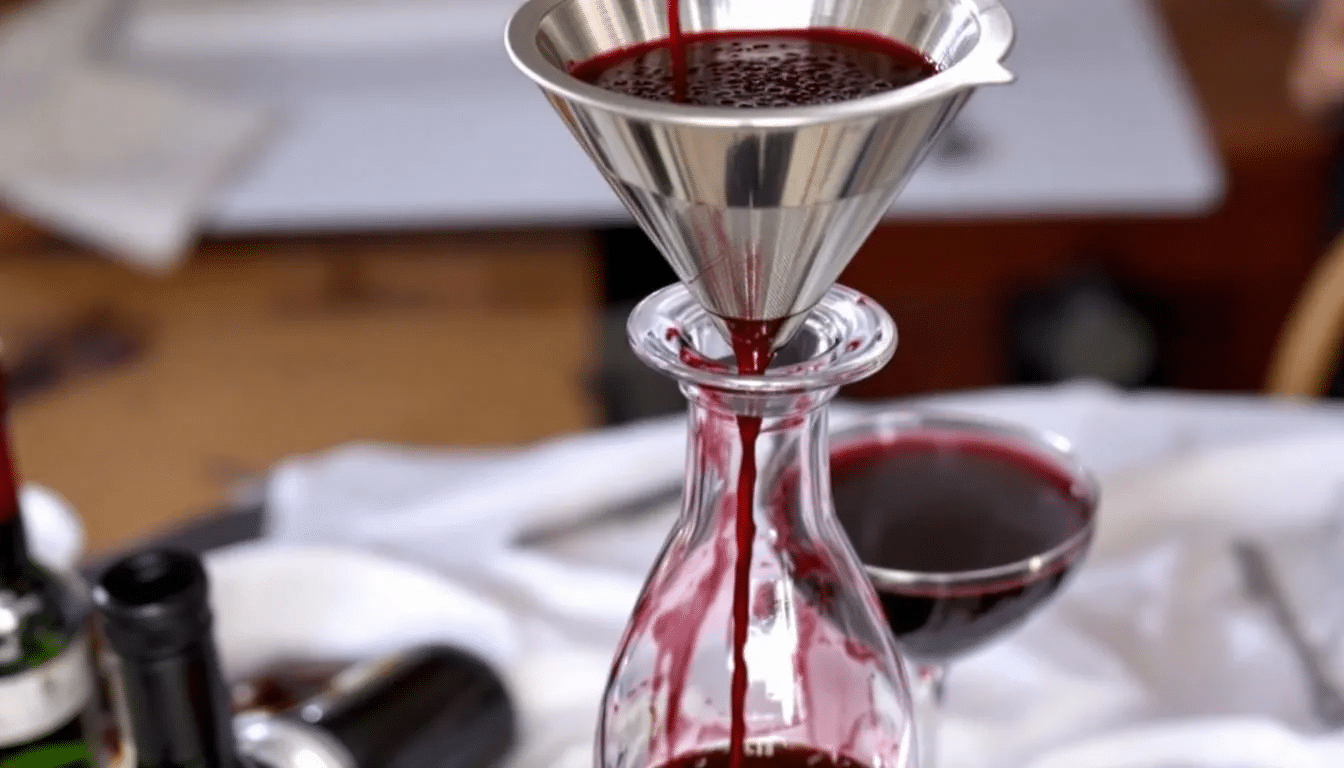
Wine polishing, also known as wine fining or clarification, is a process used to remove unwanted particles, sediments, and compounds from wine to improve its clarity, stability, and overall appearance. This technique involves adding fining agents that bind to suspended particles, proteins, tannins, or other compounds, causing them to settle out of the wine so they can be removed.
It’s important to note that “polishing” can also refer to the final filtration stage before bottling, where wine passes through very fine filters to achieve brilliant clarity.
What is the Wine Polishing Process?
The wine polishing process typically follows these steps, and the order in which they are performed is crucial for optimal results:
Selection of fining agents: Winemakers choose from various fining agents based on what they want to remove. Common agents include bentonite (clay), egg whites, isinglass (fish-bladder protein), gelatin, casein (milk protein), and synthetic alternatives such as PVPP (polyvinylpolypyrrolidone). Certain fining agents provide specific benefits: bentonite provides protein stability, and PVPP reduces phenolic bitterness.
Addition and mixing: The fining agent is carefully measured and gently mixed into the wine. The dosage depends on the wine type, the issue being addressed, and the specific agent used.
Settling period: The fining agents bind to the targeted particles by using electrical charges or molecular attraction. This process can take several days to weeks, during which the bound particles gradually settle to the bottom of the tank or barrel. The time between clarification and bottling is important; if too much time passes, the wine’s filterability may decrease, making polishing filtration needed before bottling.
Racking or filtration: Once settling is complete, the clear wine is carefully transferred off the sediment (racking), or the wine may be filtered to remove the remaining particles, achieving the final “polished” appearance. Following proper procedures at this stage is essential to ensure clarity and stability in the finished wine.
Unfiltered wine’s natural clarification process
Polishing filtration is needed before bottling if residual substances remain after clarification or if the wine has been stored for an extended time before bottling.
Settling (racking): After fermentation, winemakers rack the wine — transferring it off its gross lees (dead yeast, grape solids) into clean vessels. This removes the bulk of sediment.
- Fining: Many unfiltered wines still undergo fining, where agents like bentonite clay, egg whites, or casein are added to bind with particles and cause them to sink, which are then removed. This is technically a form of clarification, though not filtration.
- Cold stabilization
 Cold stabilization is a process used to … More: Chilling the wine causes tartrate crystals to precipitate out, which is another form of treatment.
- Natural settling over time: Extended aging in barrel or tank allows gravity to do much of the clarifying work.

So while unfiltered wine skips the mechanical filter pads or membranes, it still typically goes through some form of clarification. A wine labeled “unfiltered and unfined” would be the most “raw” expression, though even then, racking and natural sedimentation still occur. The trade-off is that unfiltered wines often retain more texture, aroma complexity, and mouthfeel — but may have sediment in the bottle, which is not a defect.
Conclusion
Wine polishing is a valuable tool in modern winemaking that allows producers to create visually appealing, stable wines that meet consumer expectations for clarity. While the process is generally beneficial for removing undesirable elements, it requires skill and restraint to avoid over-processing that could diminish a wine’s character.
The decision of how much to polish a wine ultimately reflects a winemaker’s philosophy—balancing aesthetic perfection with the preservation of the wine’s natural complexity and authenticity. As consumer preferences evolve and natural wines gain popularity, the industry continues to debate the optimal level of intervention in wine production.