
Split
Wine splits are small-format wine bottlesThe history of wine bottles is fascinati… More that hold 187.5 milliliters (about 6.3 ounces)…
definition
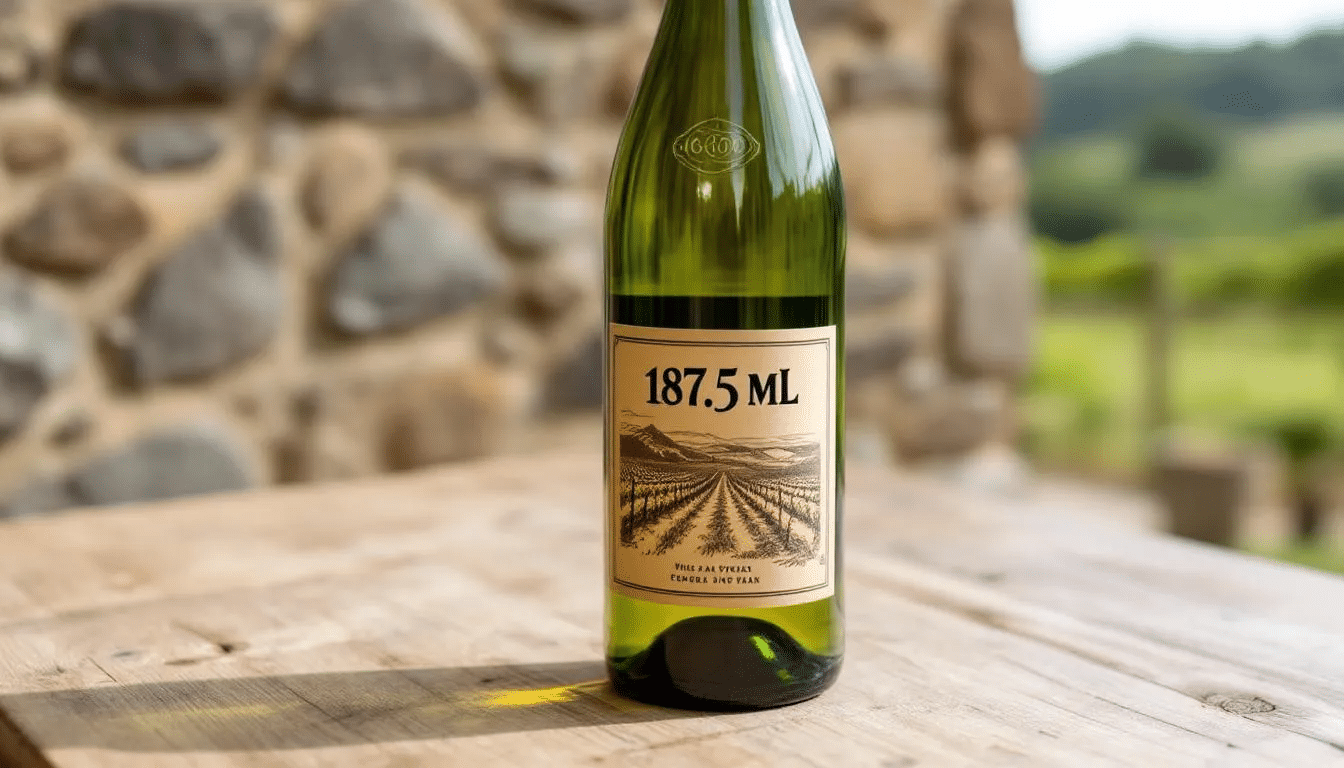
Wine splits are small-format wine bottles that hold 187.5 milliliters (about 6.3 ounces) of wine – roughly one-quarter the size of a standard 750ml bottle. This exact volume makes splits practical for single servings, portion control, and easy transport at events. They’re also called “splits,” “piccolos,” or “mini bottles.” A split typically contains one glass of wine, making it the smallest wine bottle size that is available commercially.
Splits are commonly used for sparkling wines such as Champagne and Prosecco, making them especially popular for individual servings, special occasions, and gifting.
At parties and celebrations, wine splits are often served alongside mini foods and shots of liquor for convenience and visual appeal, following the trend of small, portion-controlled options.
Wine Split Sizes and Uses
Wine splits make wine enjoyment more flexible and accessible, especially for those who love sparkling wine, champagne, and other varieties but don’t want to commit to a full bottle. The standard wine split holds exactly 187mL—precisely one-quarter the size of a regular 750mL bottle (that’s about 6.3 fluid ounces, making it the perfect single serving for individual consumption or portion control. This small format is a favorite among wine producers from prestigious regions who want to offer a taste of their finest bottles, from crisp white wines like Chardonnay to bold reds such as Cabernet Sauvignon and Merlot.
Champagne splits and prosecco splits are especially popular for celebrations, weddings, and parties (imagine serving 200 guests without opening 50 full bottles), where guests can enjoy a glass of bubbly without waste. These splits are also commonly found in:
Tasting flights at premier wine bars • Hotel minibars from The Ritz to boutique establishments.
Quick shop packs for spontaneous gatherings.
A fun and convenient way to sample different flavors and styles from various terroirs.
Many wine producers now offer wine splits, allowing consumers to enjoy a single glass of wine without waste. The rise of online wine shops and fast delivery services (some offering same-day delivery within metropolitan areas) has made it easier than ever to shop for splits, so you can have your favorite small bottle delivered right to your door within hours.
When it comes to taste, wine splits can range from bone dry to dessert-level sweet, depending on the grape variety and the winemaker’s style. Some splits may contain more residual sugar (particularly in Moscato or late-harvest varieties), especially in sparkling or sweet wines.
Many brands are now creating options with less than 5 grams of sugar per serving to appeal to health-conscious consumers. Whether you’re looking for a crisp, mineral-driven chardonnay from Chablis or a sweet, sparkling prosecco from Veneto, there’s a split to match your palate preferences!
Overall, wine splits are a fun, practical, and increasingly popular way to enjoy wine! They offer the perfect balance of convenience, variety, and portion control, making them a great choice for both seasoned wine lovers with developed palates and those just starting to explore the fascinating world of wine.
Individual Consumption Splits are ideal for a person to drink at a single sitting, offering individuals the convenience of wine consumption in moderation. This makes them perfect for solo dining, travel, or when you want variety without commitment to multiple full bottles.
Events and Hospitality Airlines frequently serve wine in splits for first-class and business-class passengers. Splits are often served at events and in hospitality settings for ease of service and portion control. Hotels often stock minibars with splits, and catering companies use them for weddings and events where precise portion control is vital. They eliminate waste and simplify service logistics.
Wine Exploration For wine enthusiasts, splits offer an economical way to sample different wines, vintages, or producers without investing in full bottles. Splits allow wine lovers to experience a variety of flavors, tastes, and textures, including fruity notes such as apple, citrus, white peach, peach, and pear, as well as a smooth, round body and bouquet.
Special Occasions Some premium Champagne producers bottle their wines in splits for celebratory toasts or giving as a gift.
Practical Advantages Splits maintain freshness due to their secure seal, and the entire contents are typically consumed in one sitting, so there is no need to wonder about the wine going flat. They’re also portable and convenient for picnics, concerts, or outdoor activities. Splits are available in convenient packs, making them easy to purchase for events or gatherings.
Environmental Impact of Wine Splits
While wine splits are super handy for portion control. Recent studies have revealed that producing wine in splits produces up to 15% more greenhouse gas emissions and 20% more packaging waste compared to standard bottles. By choosing sustainable options and supporting eco-conscious brands, wine lovers can help create a more environmentally friendly wine industry, so that enjoying a glass of Cabernet Sauvignon, Chardonnay, or sparkling wine remains a pleasure for both people and the planet.
Conclusion
Wine splits serve a valuable niche in the wine market by offering flexibility, portion control, and accessibility. While they typically cost more per ounce than standard bottles due to packaging expenses, their convenience and waste-reduction benefits make them worthwhile for specific situations. Whether you’re sampling new wines, traveling, or hosting an event, splits provide an elegant solution that bridges the gap between commitment and variety in wine enjoyment