
Vine Canes
Vine canes vary considerably in size depending on the grape variety, growing conditions, and pruning practices. Generally, canes range from…
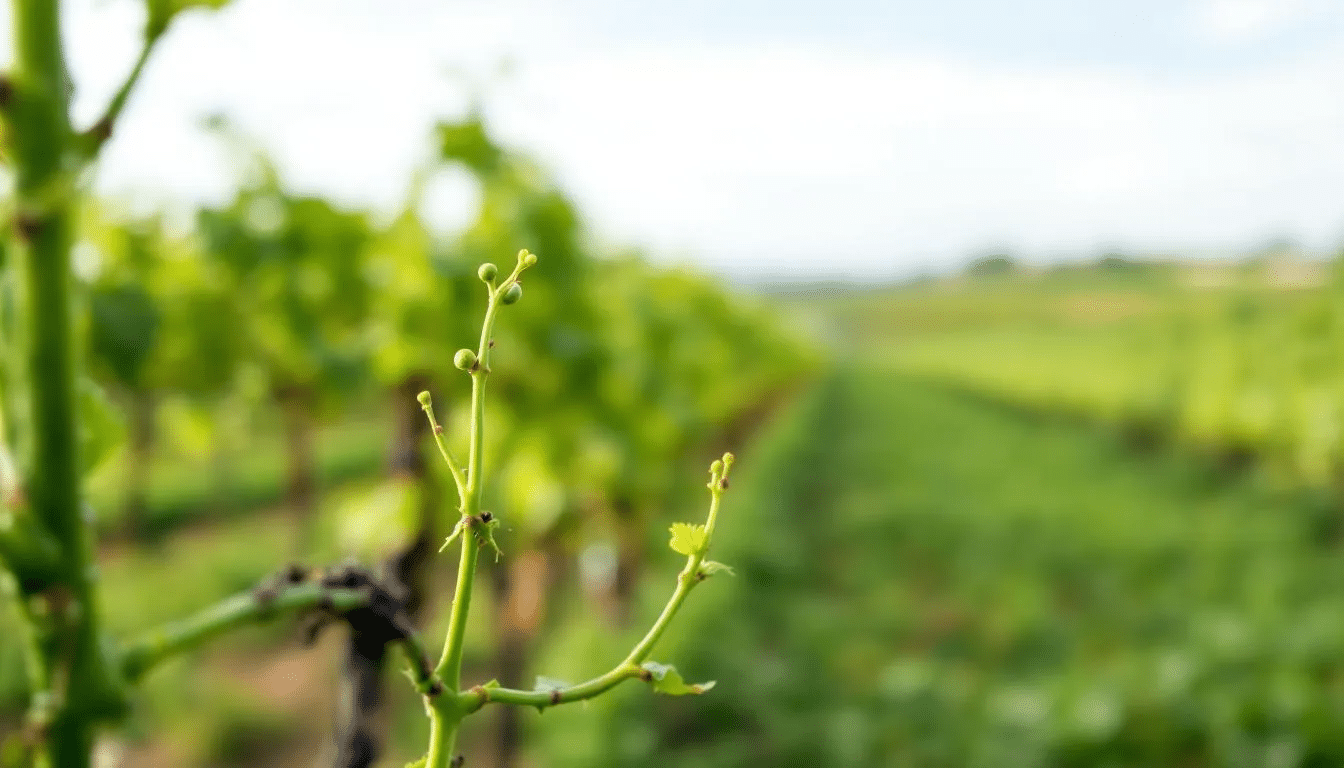
definition
Vine canes vary considerably in size depending on the grape variety, growing conditions, and pruning practices. Generally, canes range from 3 to 10 feet (1 to 3 meters) in length and 0.2 to 0.5 inches (5 to 12 mm) in diameter. In the early stages of growth, vine canes are often supported by a bamboo stake to guide their vertical development. Well-developed canes on vigorous vines can grow even longer if left unpruned during the growing season.
The thickness and length of canes are important indicators of vine health and vigor. The position of the canes relative to the ground can influence their exposure to sunlight, airflow, and potential frost risk. Canes emerge from the trunks of the vine, which serve as the main structural support. Pencil-thick canes (about 8-10 mm diameter) are often considered ideal for fruit production, as they’re mature enough to support good fruit development without being overly vigorous.
What Are the Characteristics of Grape Vines?
Vine canes have several distinctive features:
Physical Structure:
- Woody texture: Canes are the mature, lignified shoots from the previous growing season that have hardened over winter
- Node spacing: Contain regularly spaced nodes (bumps) where buds, leaves, and fruit clusters emerge
- Color
 Wine color refers to the visual appearan… More: Range from light tan to reddish-brown, depending on variety
- Flexibility: Young canes are flexible enough to be bent and tied to a trellis for training purposes. Canes are often tied to a trellis to maintain their position and support healthy growth. Making proper pruning cuts is important to manage cane growth and maintain vine health.

Growth Features:
- Buds: Each node contains dormant buds that will produce shoots in the following season. Bud break marks the beginning of the growing season, when new shoots emerge from the buds.
- Internodes: The smooth sections between nodes; their length indicates growth vigor
- Diaphragm: A woody partition at each node that gives structural strength
Managing vine canes is a key aspect of growing grapes and maintaining a healthy grapevine. Canes from the previous year’s growth are responsible for producing the current year’s crop, as they bear the fruiting shoots. The buds on these canes contain the primordia (embryonic structures) for both shoots and grape clusters.
To balance vine vigor and productivity, growers carefully prune the canes, assessing the season’s growth to determine which canes to retain for the next cycle. The management of the previous year’s growth and the current season’s growth directly impacts fruit production and the quality of the year’s crop.
Vine Training and Management: Viticulturists select and position canes strategically to control vine shape, manage canopy density, and optimize sun exposure. Some training and pruning methods can be labor-intensive, especially in larger vineyards. Pruned vines are shaped to optimize sunlight exposure and air circulation for the grapevines. This impacts fruit quality, disease management, and harvest efficiency.
Vine Health Indicators: The size, color, and maturity of canes reveal valuable information about vine nutrition, water stress, and overall health. Uniform, well-ripened canes indicate balanced vine vigor. Older vines may face additional challenges, such as increased susceptibility to disease and wood decline, requiring careful management and appropriate pruning strategies.
Propagation: Canes can be used for vine propagation through hardwood cuttings, making them essential for establishing new vineyards or replacing vines. The process of pruning canes and selecting healthy wood is essential for establishing new grapevines.
Different Types of Vine Canes and Cane Pruning
Vine canes are categorized based on their age, position, and purpose:
By Age:
- One-year-old canes: The primary fruiting wood, light brown in color, containing fruitful buds. Young shoots emerge from the buds on these one-year-old canes.
- Two-year-old canes (spurs): Darker, thicker sections from which one-year canes grow.
- Older wood: The permanent framework (trunk and arms) that supports the annual growth.
- Proper pruning and training are important for young vines during their establishment phase to ensure healthy development and future productivity.
By Function:
- Fruiting canes: Selected canes retained for fruit production, typically 4-10 buds long. The fruiting cane is chosen each season to bear the crop.
- Renewal canes/spurs: Short pruned sections (1-2 buds) kept to produce next year’s fruiting cane. Renewal spurs are essential for replacing old or damaged wood and maintaining yield over time.
- Water sprouts: Vigorous, often unproductive shoots growing from old wood.
By Training System:
- Long vine canes: Used in cane-pruning systems like Guyot or Geneva Double Curtain (8-12 buds). In these systems, growers often cane-prune by selecting a single cane or sometimes two, which are then tied (cane tied) to the fruiting wire or trellis to manage growth and positioning. This method is common in cool-climate regions, and certain grape varieties, such as Sauvignon BlancPronunciation: SO-vee-nyohn BLAHN (Frenc… More, often benefit from cane pruning due to improved disease management and fruit quality. A cane-pruned vineyard can address issues like wood diseases and vine longevity, but may require more labor compared to other systems.
- Short spurs: Used in spur-pruning systems like cordon pruning (2-3 buds). Cordon pruning involves establishing permanent horizontal cordons and annually pruning to short spurs, which can be easier to manage in young vines but may present challenges with aging vines and wood diseases.
- Cane pruning and cordon pruning are the two main systems, each with advantages and disadvantages depending on vine variety, regional practices, and vineyard goals. For example, table grapes often require different pruning techniques than wine grapes, with a focus on optimizing cluster size and vine health.

Common Vine Training Systems
Vine training systems are essential tools in vineyard management, and they’re amazing at shaping how grape vines grow, produce fruit, and are cared for throughout the growing season. Among the most popular vine training systems you’ll find in vineyards around the world are the Guyot, Lyre, and Scott Henry systems. Each method uses specific cane pruning and spur pruning techniques to manage fruiting canes and keep the vines healthy.
The Guyot system is a classic example of cane pruning that’s been trusted by grape growers for generations! In this vine training system, one or two strong canes from the previous year’s growth are carefully selected and tied to the fruiting wire, while the rest of the old wood gets pruned away. Short spurs with two buds are left near the base of the cane to produce new canes and fruiting shoots for the next season. This approach is especially popular for grape varieties that produce their best fruit on one-year-old wood, giving growers control over the number of fruiting canes and buds. It’s like having a perfect balance between vine vigor and fruit production!
The Lyre system uses spur pruning and features permanent cordons that are trained horizontally along parallel fruiting wires. In this setup, shoots are pruned back to short spurs with two buds, which then produce new fruiting canes each year. The Lyre system really opens up the vine canopy, improving air circulation and sun exposure in the fruit zone, which leads to healthier vines and higher quality grapes. This training system works wonderfully in vigorous vineyards where managing canopy density is a top priority. You could say it’s like giving your vines room to breathe!
The Scott Henry system combines both cane pruning and spur pruning techniques in a really clever way. Here, the upper part of the vine gets cane pruned, with canes tied to the top fruiting wire, while the lower part is spur pruned, with short spurs left on the lower cordon. This dual approach gives growers fantastic flexibility in managing shoot growth and fruit placement, making it much easier to get the best yield and grape quality across different vineyard blocks. It’s like having the best of both worlds in one system!
These popular vine training systems are designed to maximize proper vine training, improve air circulation, provide optimal sun exposure, and facilitate efficient vineyard operations. The choice of training system depends on several important factors, including grape variety, climate, soil type, and the specific goals of the vineyard. Some systems are classified as high-trained or low-trained, while others are defined by whether they use cane-trained or spur-trained methods, and whether they rely on permanent cordons or not.
Understanding the advantages and applications of these vine training systems helps growers make decisions about pruning, tying, and managing their vines. By selecting the right training system and applying effective cane pruning and spur pruning techniques, vineyard managers can ensure healthy, productive vines that consistently produce high-quality fruit year after year! It’s truly amazing how the right training system can make such a huge difference in a vineyard’s success.
Conclusion
Vine canes are the foundation of grape production and vineyard management. These mature, woody shoots from the previous season serve as the primary source of fruit-bearing growth, making their selection and management critical to both yield and quality. Understanding cane characteristics, from their physical dimensions to their varied functions, enables growers to make informed pruning decisions that balance vine vigor with productivity.
Whether working with long canes in traditional systems or short spurs in modern vineyards, proper cane management remains an essential skill that connects centuries of viticultural tradition with contemporary wine production. The humble vine cane, though often overlooked, is truly the link between one season’s growth and the next season’s harvest.