How Non-Alcoholic Wine Is Made? A Step-by-Step Process Guide

Curious about how non-alcoholic wine is made? The non-alcoholic beverage market is booming, and non-alcoholic wines are gaining popularity. Wine lovers seeking alcohol-free options naturally wonder how that familiar taste is achieved. We’ll explore how dealcoholization creates delicious non-alcoholic wine. This journey takes us from vineyard to bottle, uncovering the art and science of how non- alcoholic wine is made.
From Vine to Wine: The Initial Stages
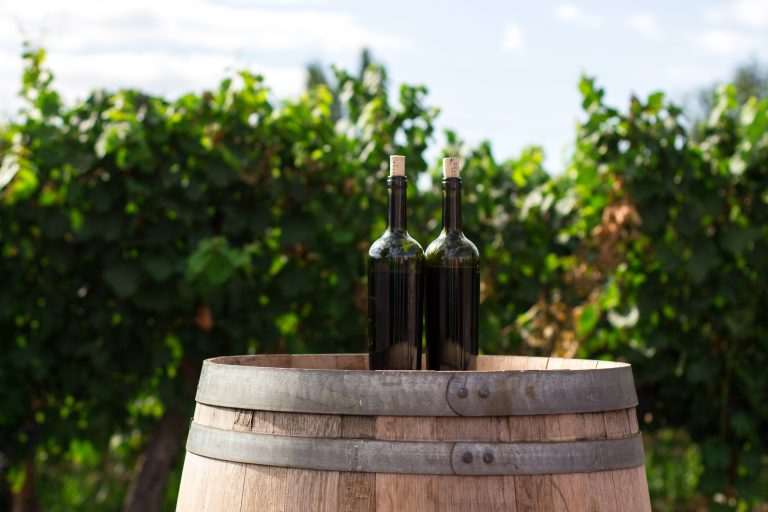
Non-alcoholic winemaking is done in the same way as traditional wine production. It all begins with careful grape selection in the vineyard. Winemakers consider grape variety and location, prioritizing how each expresses its characteristics when making non-alcoholic wine.
Popular grape choices include Pinot Grigio or Sauvignon Blanc Pronunciation: SO-vee-nyohn BLAHN (Frenc... More for white wines and Cabernet Sauvignon
 Merlot is one of the world's most widely... More for red wines. The grapes undergo crushing, fermentation, and aging. The winemaker’s goal is to develop vibrant
 A vibrant wine is a tasting descriptor f... More flavors, good texture, and balance before removing alcohol, resulting in an excellent red wine, white wine, and alcohol free sparkling wines.
The Dealcoholization Process: How Non-Alcoholic Wine Is Made
Here’s where non-alcoholic winemaking diverges from traditional methods. Let’s explore the core of how non-alcoholic wine is made.
Several methods exist to remove alcohol. Each aims to extract the alcohol while preserving the desirable aromas and flavors wine drinkers enjoy. Let’s explore the three most common approaches to making de-alcoholized wine.
Vacuum Distillation
A popular method, vacuum distillation, is often used with traditional wines. This process gently heats the wine under a vacuum.
The vacuum lowers the boiling point of alcohol, allowing it to evaporate at lower temperatures. This prevents damage to the wine’s delicate aromas, as explained by Boisson.
Reverse Osmosis
Reverse osmosis is a filtration technique. It separates alcohol molecules from other wine components like tannins
This retains flavor and works to extract alcohol. Larger, flavorful molecules are separated from the alcohol during this process. Both reverse osmosis and distillation require adding water back to the wine to replace what was lost during the process of removing alcohol. There are also other innovative methods, like the one using a rotating comb to separate alcohol.
Spinning Cone Column
Pioneered by Andrew Craig of Flavourtech, the spinning cone technology refines vacuum distillation. This method has been in use for over 40 years.
Wine flows over spinning cone columns, creating a thin film. These rotating cones increase surface area and lower the alcohol’s boiling point further, minimizing heat exposure. This precise method helps preserve the wine’s volatile Volatile wine refers to wine that has ex... More aromatic compounds.
Before extracting alcohol, the “essence,” representing distinct aromas and flavors, is captured. This complex, multi-stage process ensures maximal flavor retention, even recovering delicate aromas, and is used by many of the leading non-alcoholic wine brands.
Balancing the Blend
After alcohol extraction, winemakers fine-tune the blend. Removing alcohol impacts the wine’s body, sweetness, and other characteristics.
They may add small amounts of grape juice to non-alcoholic wines to adjust sweetness and body. This blending significantly enhances the mouthfeel and overall taste profile of non-alcoholic sparkling wine, non-alcoholic white wine, red wine, or rosé wine Rosé wine has ancient roots, potentially... More.
What Does Alcohol-Free Wine Taste Like?
Even without alcohol, quality non-alcoholic wine offers recognizable wine tastes. It can even retain some body and mouthfeel, remarkably similar to its alcoholic counterpart.
Different brands employ various techniques for how non-alcoholic wine is made. The non-alcoholic wine industry is constantly evolving. It’s worth exploring to find brands that suit your palate. Look for alcohol-removed wines, including popular non-alcoholic choices and dry January options for those sober curious.
Alcohol-removed Chardonnay Chardonnay is a white wine made from gre... More, for instance, can maintain its buttery
 "Buttery" is one of the most distinctive... More, appley, or fruity notes. Some brands focus on dry finishes while others emphasize sweetness or tannins, particularly in red dealcoholized versions.
FAQs About How Non Alcoholic Wine Is Made
Is Non-Alcoholic Wine Still Healthy?
Yes, non-alcoholic wine retains many health benefits of regular wine, such as antioxidants. However, it can still contain trace amounts of alcohol (around 0.5% ABV What Does A.B.V. Mean in Wine? What does... More or less).
Always check labels if you need to avoid alcohol entirely. Those participating in Sober October or simply seeking more than just a beverage, but a lifestyle choice, might find these specifics are crucial to their goals.
Is 0.0 Wine Really Alcohol-Free?
Wines labeled 0.0 may contain minimal residual alcohol, usually less than 0.5%, similar to fruit juice. This amount isn’t intoxicating but is a consideration for strict alcohol avoidance. Whether one drinks non-alcoholic beverages for preference or necessity is a relevant consideration in labeling clarity.
Is non-alcoholic wine still fermented?
Most non-alcoholic wines start with fermented grapes. This fermentation contributes to the characteristic “wine taste.” However, Virgin Wine Style wines don’t contain fermented wine.
They derive flavor from teas and spices that mimic wine qualities like oak aging or citrus zest. It is important to remember that these options do not specifically mimic grape flavors.
Can you get buzzed from non-alcoholic wine?
It’s unlikely you’ll feel any effect from the alcohol content in non-alcoholic wine. The trace amount isn’t enough to cause intoxication. The amount of alcohol in non alcoholic wine is often on par with the alcohol found in kombucha, and non-alcoholic beers such as those from Athletic Brewing.
Conclusion
Understanding how non-alcoholic wine is made provides options for those wanting to enjoy wine without the alcohol. From vacuum distillation to reverse osmosis, the process carefully preserves the wine’s essence – its aromas and flavors.
Careful blending further refines the final product. With innovative winemakers continually refining techniques, there is an increasing selection available. The next time you choose sparkling brut, sparkling rosé, or a non-alcoholic red blend, you’ll understand the detailed steps in how these non-alcoholic drinks came to be.