
Gewürztraminer
Gewürztraminer is one of the wine world’s most distinctive and aromatic grape varieties. With its unmistakable perfumedPerfumed refers to wines…
definition
Gewürztraminer is one of the wine world’s most distinctive and aromatic grape varieties. With its unmistakable perfumed character and spicy notes, it creates wines that stand out from the crowd.
What Kind of Wine Is Gewürztraminer?
Gewürztraminer is an aromatic white wine grape variety that produces medium to full-bodied wines with distinctive spicy, floral characteristics. The name itself gives us clues about its nature – “Gewürz” means “spiced” in German, while “Traminer” refers to its origins in Tramin, a village in northern Italy. These wines are known for their intense aromas, moderate acidity, and often slightly higher alcohol content compared to other white wines.
Origins of the Gewürztraminer Grape Varietal
Gewürztraminer is a mutation of the ancient Savagnin grape (also known as Traminer), with its roots tracing back to the Middle Ages. While the grape is named after Tramin (now Termeno) in South Tyrol, Italy, it has been most successfully cultivated and popularized in the Alsace region of France.
The grape’s genetic journey is fascinating – it likely began as the green-skinned Traminer, which mutated to a more aromatic version called Savagnin Rose, before eventually becoming the pink-skinned, highly aromatic Gewürztraminer we know today. This mutation process took place gradually over centuries, with the modern version becoming established sometime in the 18th or 19th century.
What Makes Gewürztraminer Unique
Several characteristics distinguish Gewürztraminer from other white wine varieties:
- Distinctive aromas: Few wines can match Gewürztraminer’s intense, exotic aroma profile, featuring lychee, floral notes of rose petals, ginger, and tropical fruits.
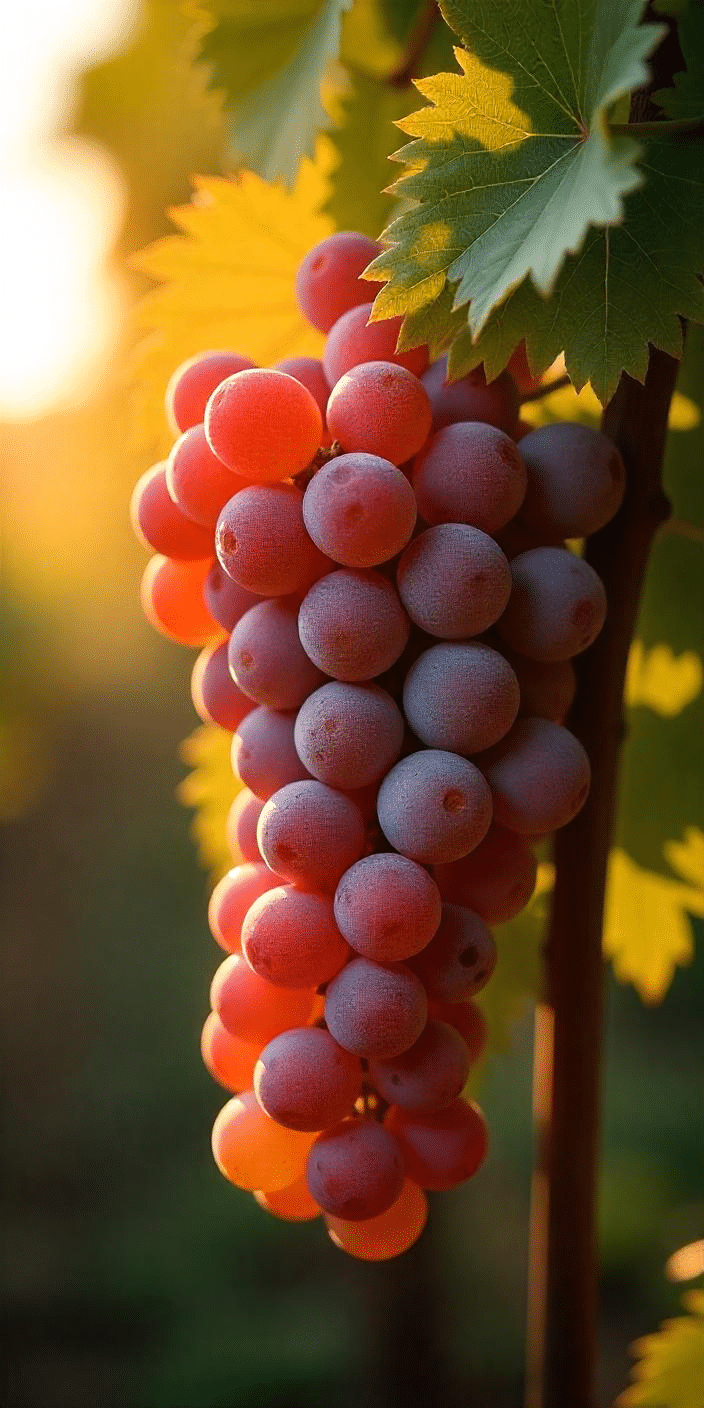
- Pink-hued grapes: Unlike most white wine grapes that have green skins, Gewürztraminer grapes have a distinctive pinkish to reddish-brown color
 Wine color refers to the visual appearan… More.
- Low acidity: Gewürztraminer naturally has lower acidity than many other white wines, which contributes to its richRich wine refers to wines that deliver a… More, full-bodied character.
- Spice factor: The “spiced” quality mentioned in its name comes through in tasting notes of ginger, cinnamon, and exotic spices.
- Versatile sweetness levels: Gewürztraminer wines can be made in styles ranging from bone dry to lusciously sweet, with many examples falling somewhere in between.


Where Gewürztraminer Grows in the World
While Gewürztraminer can be challenging to grow due to its early budding (making it susceptible to spring frosts) and tendency toward low acidity in warmer climates, several regions produce gewürztraminer:
- Alsace, France: The spiritual home of Gewürztraminer, where it achieves its most iconic expression, including some remarkable Grand Cru bottlings.
- Germany: Grown in small quantities, mainly in the Baden and Pfalz regions.
- Northern Italy: Especially in the Alto Adige region (Südtirol), where it originated.
- New World regions: Successful plantings in cooler climate areas of the United States (particularly Washington, Oregon, and New York), Canada, New Zealand, and Australia.
- Eastern Europe: Some excellent examples come from Austria, Hungary, Slovenia, and parts of Romania.
How Winemakers Use Gewürztraminer
Winemakers employ various techniques to highlight Gewürztraminer’s unique characteristics:
- Dry styles: Fermented to complete dryness to showcase the grape’s intense aromatics without residual sweetness.
- Off-dry to sweet styles: Fermentation is stopped before all sugar is converted to alcohol, resulting in varying degrees of sweetness.
- Late harvestLate harvest wines represent one of the … More (Vendange Tardive): Grapes are picked later, resulting in more concentrated sugars and flavors.
- Selection of Noble RotNoble rot (known in French as pourriture… More (Sélection de Grains Nobles): In Alsace, some producers create intensely sweet dessert wines from grapes affected by botrytis (noble rot).
- Blending: Sometimes blended with other aromatic varieties like Riesling or Muscat to create complex aromatic white blends.


Most quality Gewürztraminer wines are fermented in stainless steel or neutral oak to preserve the grape’s natural aromatics. Extended skin contact is occasionally used to enhance the wine’s aromatic intensity and add texture.
Tasting Notes and Wine Specifications
Color
Gewürztraminer typically has a golden yellow to deep gold color, often with slight copper or bronze highlights, especially in older wines.
Aroma
The nose is intensely aromatic with distinct notes of:
- Lychee fruit (the signature aroma)
- Rose petals and rose water
- Tropical fruits (mango, passion fruit)
- Ginger and exotic spices
- Honey
- Stone fruits (peach, apricot)
- Subtle hints of citrus (grapefruit)
Flavor
On the palate, Gewürztraminer delivers:
- Pronounced lychee and tropical fruit flavors
- Floral characteristics that mirror the nose
- Spice notes (ginger, cinnamon, clove)
- A characteristic slight bitterness on the finishFinish refers to the practice of aging s… More
- Often, a perception of sweetness even in dry versions due to the fruity character

Structure
- Medium to full-bodied
- Low to moderate acidity
- Often higher alcohol (13-15%)
- Noticeable texture and weight on the palate
- Dry to sweet, depending on winemaking style
Aging
Most Gewürztraminer is meant to be consumed young (1-3 years) when its aromatic qualities are most vibrant. However, high-quality examples from Alsace, particularly Grand Cru bottlings and late-harvest styles, can age gracefully for 10+ years, developing honey, petrol, and dried fruit characteristics.
Food Pairing
Gewürztraminer’s bold flavors and aromatics make it an excellent match for:
- Asian cuisine, particularly dishes with ginger, lemongrass, or coconut
- Spicy foods (Thai, Indian, Sichuan Chinese)
- Soft, aromatic cheeses (Münster, Taleggio)
- Smoked meats
- Pork dishes with fruit components
- Traditional Alsatian fare (choucroute, tarte flambée)
- Aromatic desserts featuring lychee, mango, or rose water
Drier styles work well with savory dishes, while sweeter versions complement fruit-based desserts and blue cheeses.
The Role of Gewürztraminer in the Wine World Today
Today, Gewürztraminer occupies a unique niche in the wine world. While not as widely planted as international varieties like Chardonnay or Sauvignon Blanc, it maintains a devoted following among wine enthusiasts who appreciate its distinctive character.
In Alsace, it holds prestigious status as one of the four “noble” grape varieties (alongside Riesling, Pinot Gris, and Muscat) and is featured in some of the region’s most esteemed Grand Cru vineyards. In the New World, innovative winemakers are experimenting with Gewürztraminer to create both traditional styles and new interpretations.
The grape’s versatility across sweetness levels also contributes to its appeal, making it suitable for everything from aperitifs to dessert wines. Many wine professionals consider Gewürztraminer an essential component of a well-rounded wine education due to its unmistakable aromatic profile.
Should You Try Gewürztraminer?
Absolutely! Gewürztraminer offers a sensory experience unlike any other wine. If you’re new to this variety, here’s why it’s worth exploring:
- It’s an excellent gateway wine for those transitioning from sweeter wines to drier styles
- The aromatic intensity makes it memorable and distinctive
- It pairs beautifully with cuisines that challenge other wines (particularly spicy Asian dishes)
- The variety of styles means there’s likely a Gewürztraminer that suits your palate
When selecting your first Gewürztraminer, consider starting with an Alsatian example for the most classic expression, or try a high-quality version from New Zealand or the Pacific Northwest for a New World interpretation.
Conclusion
Gewürztraminer is truly one of wine’s most distinctive personalities – bold, aromatic, and unmistakable. From its unique pinkish grapes to its explosive lychee-and-rose bouquet, it creates wines that leave a lasting impression. While it may not be everyone’s everyday wine, the best examples offer an extraordinary sensory experience that every wine lover should try.
Whether you’re enjoying it with spicy cuisine, as an aperitif, or with dessert, Gewürztraminer demonstrates the remarkable diversity of the wine world and reminds us why exploring different grape varieties can be so rewarding. Next time you’re looking for something distinctive to enhance a special meal or expand your wine horizons, consider reaching for a bottle of this aromatic wonder.