
Late Harvest
Late harvest wines represent one of the most elegant expressions of winemaking, where patience and timing create wines of remarkable…
definition
Late harvest wines represent one of the most elegant expressions of winemaking, where patience and timing create wines of remarkable sweetness and complexity.
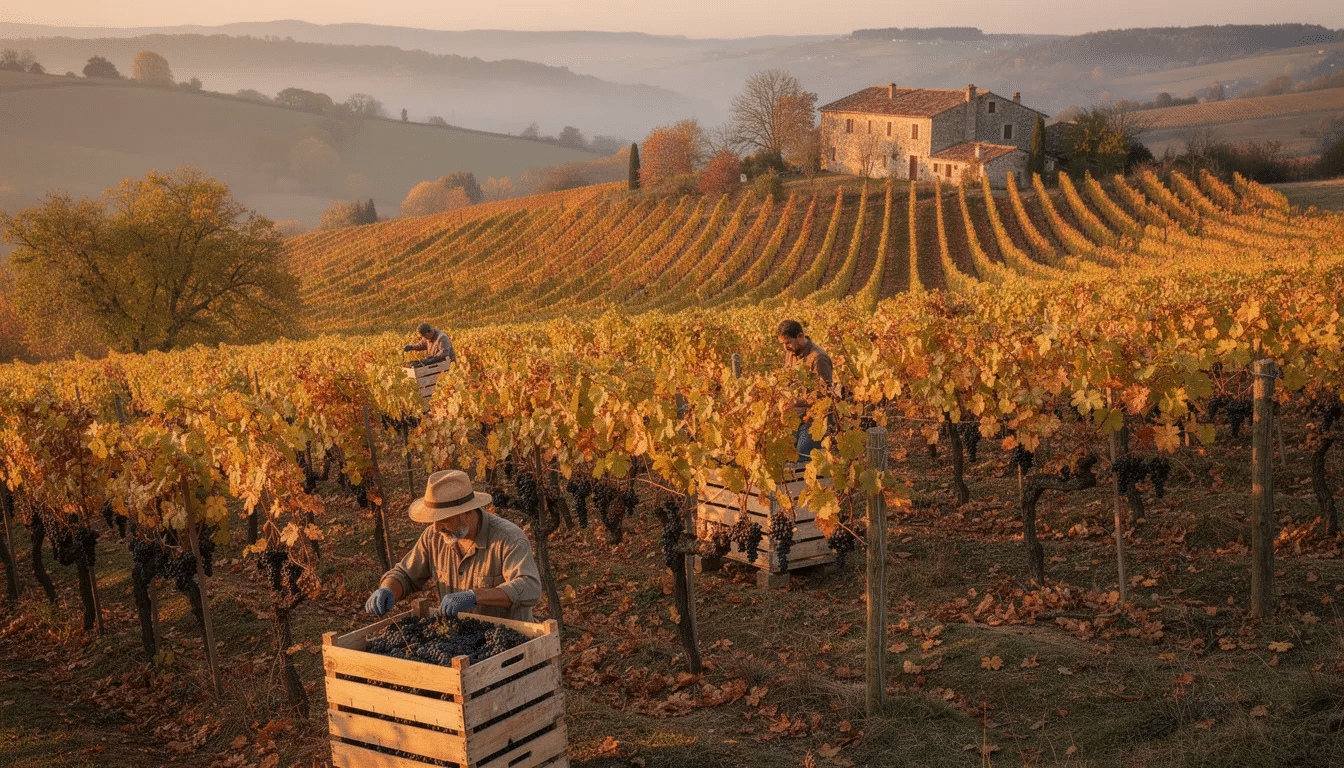
Winemakers intentionally leave grapes on the vine well beyond the normal harvest period. While standard harvest typically happens in early to mid-autumn (September-October in the Northern Hemisphere, March-April in the Southern Hemisphere), late harvest grapes are picked weeks or even months later, especially in cooler climates.
The grapes are vineyards for a longer period than usual, late harvest grapes are often more similar to raisins that are naturally dehydrated evaporating water and creating a higher concentration of sugar. Noble rot (Botrytis cinderea), a beneficial fungus often develops and further concentrates sugars and adds unique flavors.
The infection rate of botrytis is sporadic, with vines and bunches achieving full rottenness at different times. The specific timing depends on weather conditions. Winemakers carefully monitor sugar levels and wait for ideal conditions that create a balance concentration and acid retention.
Grape Varietals
White varieties dominate late harvest production due to their ability to retain acidity while developing intense sweetness.
Riesling grapes are perhaps the most celebrated, used to produce Germany’s famous Spätlese and Auslese wines, as well as stellar late harvest and icewines from Alsace, Washington State, and Canada. Riesling grapes are prized for their vibrant acidity, floral aromatics, and complex flavor profile, making them ideal for late harvest styles.
Gewürztraminer creates aromatic, spicy-sweet wines, while Chenin Blanc from the Loire Valley produces legendary Vouvray and Côteaux du Layon. Sémillon is used to produce late harvest wines, particularly in the Sauternes region of Bordeaux Bordeaux is one of France’s most famous … More, where it is often used blended with Sauvignon Blanc to achieve the region’s signature style.
Other white varieties include Pinot Gris, Muscat—one of the oldest families of grapes used to produce late harvest wines, known for their aromatic qualities. Vidal Blanc is a hybrid grape variety known for producing outstanding late harvest wines, especially in cooler climates. Red grapes are less common but not unheard of—Zinfandel occasionally appears in late harvest bottlings in California, offering a unique twist on the typically white-dominated category.
Role of Noble Rot
Noble rot, scientifically known as Botrytis cinerea, is the amazing secret ingredient behind some of the world’s most celebrated late harvest wines! This remarkable fungus works its magic by gently piercing grape skins, allowing water to evaporate and sugars to concentrate like crazy. The result is a grape with an intensified sugar-to-acid ratio that sets the stage for creating lusciously sweet wines with vibrant natural acidity.
Noble rot has an incredible ability to create a harmonious balance between sweetness and acidity. As the grapes shrivel and sugars become more concentrated, the natural acidity remains strong, ensuring that the resulting wine is rich and sweet without being cloying at all. This balance is exactly what makes late harvest riesling and other botrytized wines so refreshing and complex on the palate!
Winemakers carefully monitor the development of noble rot, as the right combination of fall rain, morning fog, and dry afternoons is absolutely essential for its growth. Too much moisture can lead to undesirable gray rot, while too little prevents the fungus from taking hold properly. When conditions are right, the resulting late harvest wines are characterized by their incredible depth, richness, and a tapestry of flavors.
In the world of ice wines, noble rot sometimes plays a supporting role that’s quite fascinating. While the primary method involves allowing grapes to freeze on the vine before harvest, in certain vintages and regions—such as Germany and Canada—botrytis may also be present, adding another layer of complexity.
Ultimately, noble rot is a winemaker’s greatest ally in the pursuit of extraordinary late harvest wines. Its presence elevates the flavors, aromas, and overall character of the wine through the delicate interplay between nature, timing, and human craftsmanship. Whether in a glass of late harvest riesling, a golden Sauternes, or a rare ice wine, the influence of noble rot is unmistakable—delivering a symphony of sweetness, acidity, and unforgettable flavor.
Characteristics of Late Harvest Wine
Late harvest wines are distinguished by their intense sweetness balanced with sufficient acidity to prevent cloying heaviness, offering a memorable taste experience that highlights their unique sensory appeal. Wines made from botrytis-affected grapes are generally very sweet, with sugar levels typically ranging from 20-28% residual sugar, though this varies by style.
After harvesting, the grapes are gently pressed to extract the concentrated sweet juice. The concentration process creates wines with remarkable depth—flavors of honey, apricot, peach, pineapple, and candied citrus are common, often accompanied by notes of ginger, saffron, or caramel depending on the variety.
During the winemaking process, yeast plays a crucial role in fermentation, influencing the wine’s flavor and balance. Winemakers carefully ferment the juice and often stop the process before all the sugar is converted into alcohol to maintain the wine’s characteristic sweetness. They play with different fermentation techniques and processing methods to achieve the ideal balance, flavor, and aroma in the finished wine.
The texture is typically viscous and rich, coating the palate with lush sweetness. Despite their sugar content, well-made late harvest wines maintain bright acidity that provides structure and prevents them from being one-dimensional. Alcohol levels are generally moderate (around 8-12%) due to arrested fermentation that preserves sweetness. When noble rot is involved, additional flavors of marmalade, dried flowers, and a distinctive waxy quality emerge.
Late harvest wines are generally classified as excellent wines to accompany desserts or as tasting wines. They are generally served chilled, around 45–55ºF (7–13ºC), in small dessert wine glasses. These wines are often paired with desserts, blue cheeses, and nuts to enhance their sweetness and complexity.
These wines often possess remarkable aging potential, with the best examples improving over decades as they develop more complex tertiary characteristics of dried fruit, nuts, and toffee. Some Sauternes can age for over 30 years.
Conclusion
Late harvest wines exemplify the intersection of nature’s timing and winemaker’s skill. By waiting for optimal conditions and allowing grapes to concentrate their sugars naturally, producers create wines of extraordinary richness and complexity that pair beautifully with desserts, foie gras, and blue cheeses—or stand magnificently on their own as meditation wines.
Whether from the steep slopes of the Mosel, the misty valleys of Sauternes, or the frozen vineyards of Canadian ice wine regions, late harvest wines offer some of the most memorable and distinctive expressions in the world of wine.