
Silvaner
Silvaner (also spelled Sylvaner) is a white wine grape variety with a long history that has largely remained in the…
definition
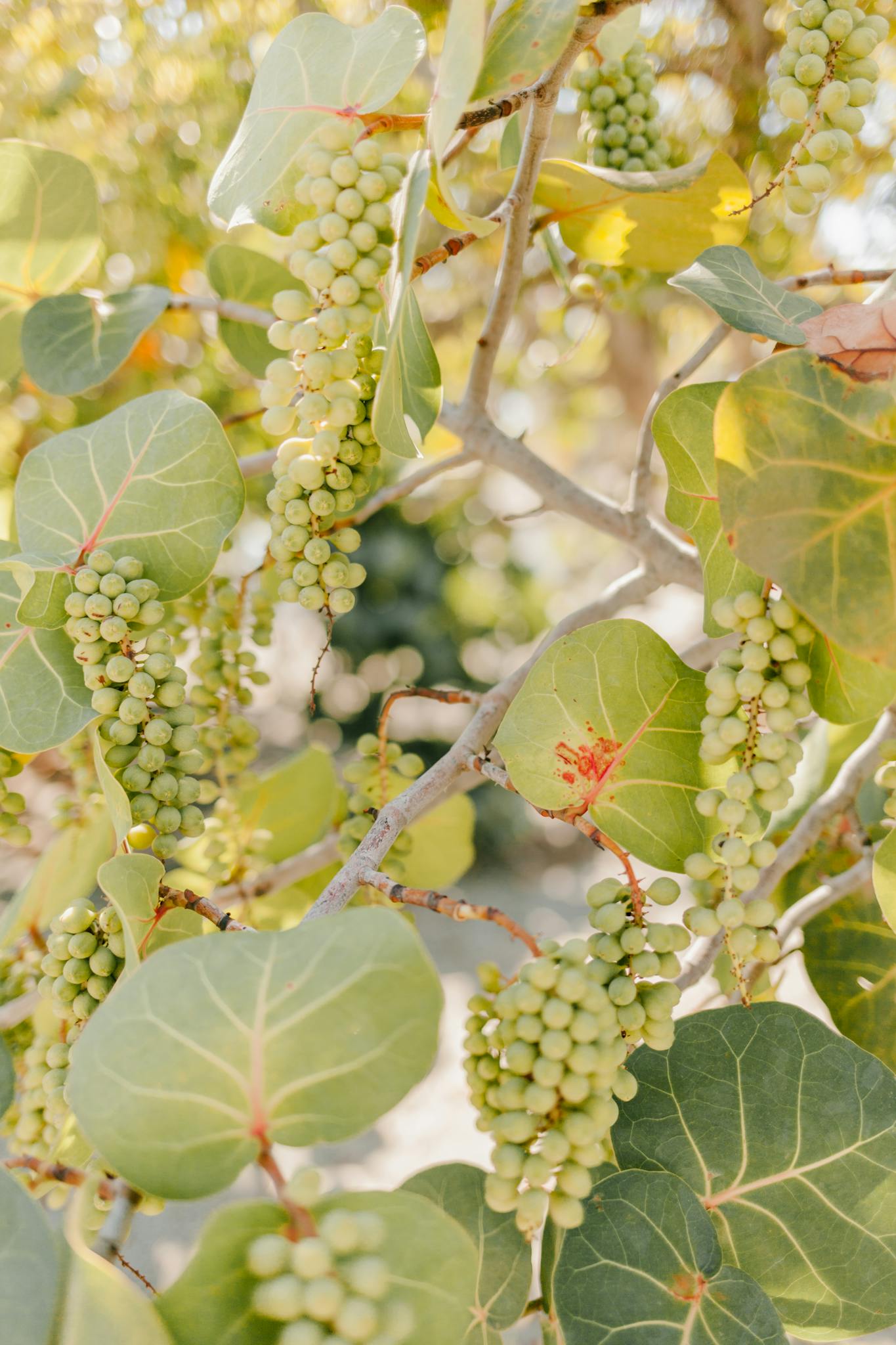
Silvaner (also spelled Sylvaner) is a white wine grape variety with a long history that has largely remained in the shadow of more popular varieties. Among white wine varieties and wine grapes, Silvaner holds a unique position due to its distinctive character and historical significance. Despite its relatively low profile on the international wine scene, it produces distinctive wines worthy of attention. Silvaner is traditionally grown in specific European regions, where time-honored cultivation methods contribute to its authenticity and quality.
Origins of the Silvaner White Wine Grape Varietal
Silvaner is believed to be a natural crossing between Traminer (related to Gewürztraminer) and Österreichisch-Weiss (an Austrian white grape). DNA analysis has confirmed this parentage. The first Sylvaner cuttings played a significant role in spreading the grape to new regions, with early plantings helping to establish vineyards outside its original homeland.
The grape first appeared in documented history in the early 16th century in Austria, though some evidence suggests it may have originated in Transylvania (Romania). Cuttings from Silvaner vines were later used to establish vineyards in other countries, contributing to the grape’s international presence.
The name “Silvaner” likely comes from “silva,” the Latin word for forest, possibly referring to the grape being grown in areas that were once forested. Grüner Sylvaner and Sylvaner Verde are recognized as synonyms or related varieties, reflecting the grape’s diverse regional identities.
World War II had a significant impact on the popularity and regional development of Silvaner, especially in areas like Alsace.
Wine Regions Where Silvaner Grows
Silvaner thrives in several European wine regions:
- Germany: The grape’s most significant home, particularly in Franken (Franconia), where it’s considered the signature variety. It’s also important in Rheinhessen and parts of the Pfalz.
- France: Primarily found in Alsace, where it’s one of the traditional varietals, though declining in popularity.
- Italy: Grown in Alto Adige (South Tyrol) under the name “Silvaner.”
- Switzerland: Cultivated in small quantities in the German-speaking cantons.
- Austria: Limited plantings, despite being one of its countries of origin.
- Notable examples of other countries where Sylvaner is grown include Slovenia and Croatia, which have established reputations for producing distinguished Sylvaner wines.
The concept of growing region and wine region is crucial for Silvaner, as the grape’s character is highly influenced by the specific terroir of each area. Regions like Franken and Rheinhessen in Germany, as well as Alsace in France, are renowned for their unique microclimates and soils that shape the style and quality of Silvaner wines.
Silvaner also has a history in Sonoma County, California, where it was once cultivated and is sometimes associated with Sonoma Riesling, reflecting the region’s experimentation with European varietals.
Blauer Silvaner and green Silvaner are color Wine color refers to the visual appearan… More mutations of the Silvaner grape, contributing to the diversity of silvaner grapes found in different wine regions.
Silvaner is often compared to other regional varieties such as Pinot Gris and Franken Riesling, each offering distinct expressions depending on their growing region and local winemaking traditions.
The grape prefers cool to moderate climates and does well in limestone and loess soils.
Regional Variations: Silvaner Across Different Terroirs
Silvaner wines are a fascinating study in how terroir shapes a grape variety’s character. Depending on where the grape is grown, Silvaner can produce wines with remarkably different personalities and flavor profiles.
In Alsace, Silvaner wines are celebrated for their full-bodied structure and distinct aroma, often displaying earthy and smoky notes that set them apart from other white wines of the region. These wines can be particularly expressive when grown in the region’s renowned clay limestone soils, such as those found in the Alsace Grand Cru vineyard of Zotzenberg.
German Silvaner wines, especially those from Franconia, are known for their elegance and refined style. Here, the grape variety’s natural acidity and subtle flavors are showcased, resulting in wines with a delicate balance and a mineral-driven finish. The cool climate and unique soils of Franconia—especially shell limestone—help create some of the finest examples of Silvaner, prized for their clarity and sense of place.
In Rheinhessen, Silvaner takes on a fruitier, more approachable style. These wines are often crafted to be easy-drinking and versatile, making them a popular choice for a wide range of food pairings. The region’s clay-limestone soils contribute to the grape’s fresh acidity and vibrant fruit character.
Northern Italy offers yet another expression of Silvaner, with wines that are typically lighter and crisper. Here, the focus is on preserving the grape’s natural acidity and delicate aromas, resulting in refreshing white wines that are perfect for warm weather and lighter fare.
Winemaking techniques also play a role in shaping Silvaner’s regional styles. Some producers opt for stainless steel fermentation to highlight freshness and fruit, while others use oak barrels to add complexity and texture. Whether dry or off dry, Silvaner wines offer a diverse range of styles, each reflecting the unique terroir and winemaking traditions of their region.
German Wine Tradition and Silvaner’s Legacy
Silvaner holds a cherished place in the story of German wine, having shaped the country’s viticultural landscape for centuries. Introduced to Germany in the 17th century, this grape variety quickly won the favor of winegrowers and wine drinkers alike, thanks to its adaptability and the elegant wines it could produce.
Throughout the 20th century, Silvaner was a cornerstone of the German wine industry, accounting for a significant share of the nation’s wine production. Its popularity was driven not only by its versatility in the vineyard but also by its ability to pair beautifully with hearty dishes—think roast pork, sausages, and other staples of traditional German cuisine.
Today, Silvaner remains widely planted across Germany, with many producers dedicated to crafting high quality wines that honor the grape’s legacy. For many German wine drinkers, Silvaner is more than just a grape variety—it’s a symbol of regional pride and a link to the country’s rich winemaking heritage.
Silvaner’s importance is also reflected in German wine law, as it was among the first grape varieties to receive official recognition and protection. This status has helped ensure its continued presence in German vineyards and on dining tables, where it remains a favorite for both everyday enjoyment and special occasions.
As one of Germany’s most important grape varieties, Silvaner continues to inspire both tradition and innovation, offering wine lovers a taste of the country’s past and its ongoing passion for producing wines of character and distinction.
How Winemakers Use Silvaner
Winemakers appreciate Silvaner for its versatility:
- Most commonly made into dry, still white wines
- Can be crafted into off-dry styles
- Used in sparkling wine production (particularly in Franken)
- Sometimes used in wine blends, especially in Alsace
- Occasionally made into sweet late-harvest wines (Spätlese
 Spätlese, which translates from German a… More, AusleseThe term Auslese comes from the German w… More in Germany)
- In Franken, traditionally bottled in the distinctive flat, flask-shaped “Bocksbeutel” bottles

With skilled winemaking, Silvaner can produce elegant wines, especially when grown on high-quality vineyard sites, revealing complexity and finesse beyond its typically neutral profile.
Typically, Silvaner is fermented and aged in stainless steel or neutral oak to preserve its subtle character, though some producers experiment with oak aging for more structure and complexity.
Tasting Notes and Wine Specifications
Color:
Pale straw to light golden, with green highlights when young
Aroma:
Delicate, subtle nose featuring green apple, pear, melon, fresh herbs, hay, and sometimes mineral or earth notes. Not intensely aromatic compared to varieties like Gewürztraminer or Riesling.
Flavor:
Clean, crisp flavors of green fruits (apple, pear), citrus (particularly lemon), melon, subtle herbal notes, and often a distinctive mineral quality reflecting its terroir. The flavor profile is generally restrained rather than exuberant.
Structure:
- Acidity: Medium to medium-high
- Body: Medium
- Alcohol: Typically 11-13% ABVWhat Does A.B.V. Mean in Wine? What does… More
- Sweetness: Usually dry, though off-dry versions exist
- Tannin

Aging:
Most Silvaner wines are meant to be consumed within 1-3 years after release, though high-quality examples from top producers can develop complexity with 5-8 years of aging. The best wines from top sites in Franken can age even longer.
Food Pairing:
Silvaner’s moderate acidity and subtle character make it an excellent food wine:
- White asparagus (a classic pairing, especially in Germany)
- Seafood, particularly more delicate preparations
- Light poultry dishes
- Vegetable-based cuisine
- Soft cheeses
- Traditional German cuisine like Weisswurst (white sausage)
- Alsatian specialties like tarte flambée
- Asian cuisine, as Silvaner’s crisp acidity and adaptable flavor profile pair well with a variety of Asian dishes
Distribution and Availability: Finding Silvaner Wines
For those eager to explore Silvaner wines, availability is better than ever. In Germany, Silvaner is a staple on wine shop shelves and supermarket aisles, with a wide range of styles and producers to choose from. The grape variety’s appeal has also spread beyond its homeland, with exports reaching wine drinkers in the United States, the United Kingdom, Australia, and other wine regions around the world.
Online wine retailers make it easy to discover and purchase Silvaner wines from the comfort of home, offering selections from both established and up-and-coming producers. Many wineries and wine regions also sell directly to consumers through their websites, wine clubs, and mailing lists, providing access to limited releases and special bottlings.
Silvaner wines are often attractively priced, making them an excellent choice for those seeking high-quality white wines without breaking the bank. Their versatility at the table means they’re a popular feature on restaurant wine lists and in wine bars, where sommeliers appreciate their ability to complement a wide variety of food pairings.
For adventurous wine drinkers, Silvaner offers a unique opportunity to explore a grape variety with a distinct character and a rich history. Whether you’re seeking a refreshing white wine for a casual meal or a more complex bottle to savor with friends, Silvaner is a rewarding addition to any wine journey.
The Role of Silvaner in the Wine World Today
Silvaner has experienced declining plantings over the decades, largely overshadowed by more popular varieties like Riesling and international grapes like Chardonnay. However, it maintains cultural significance in regions like Franken, where it’s considered the signature grape.
In recent years, there has been a modest revival of interest in Silvaner among wine enthusiasts seeking alternatives to mainstream varietals. Some forward-thinking producers are showcasing the grape’s ability to express terroir and producing high-quality, site-specific Silvaner wines.
In Alsace, Silvaner was historically important but was demoted from the list of noble grape varieties in the 1970s. Despite this, some producers continue to champion the grape.
Future Prospects: What’s Next for Silvaner?
Looking ahead, Silvaner is poised for a bright future in the world of wine. Its unique flavor profile and remarkable versatility make it an appealing choice for both wine drinkers and producers seeking something beyond the mainstream. As interest in lesser-known grape varieties grows, Silvaner’s reputation for producing elegant wines with fresh acidity and subtle complexity is gaining new fans.
In Germany, Silvaner will continue to play a central role, with dedicated winegrowers and producers championing its qualities and exploring new ways to express its potential. The grape variety’s adaptability to different climates and terroirs also makes it an attractive option for expanding vineyard plantings, both within Germany and in other wine regions.
Sustainable viticulture and innovative winemaking are set to shape the next chapter for Silvaner. Many producers are embracing organic and environmentally friendly practices, ensuring that future generations can continue to enjoy high-quality wines that reflect their origins.
As Silvaner becomes more widely available internationally, it’s likely to find a growing audience among sommeliers, wine enthusiasts, and adventurous drinkers eager to discover new flavors and styles. With its deep roots in German wine tradition and its capacity for creating wines of distinction, Silvaner offers an exciting path forward for those seeking to expand their wine horizons.
Should You Try Silvaner?
Absolutely! Silvaner offers several compelling reasons to seek it out:
- It provides a refreshing alternative to more common white wines
- It typically offers excellent value for money
- The wines are food-friendly and versatile
- Quality examples showcase fascinating terroir expression
- It connects you to centuries of winemaking tradition in Central Europe
If you enjoy subtle, mineral-driven whites like Chablis or appreciate the versatility of Pinot Grigio but want something with more character, Silvaner is worth exploring.
Conclusion
Silvaner may not have the fame of Riesling or Chardonnay, but it’s a variety with distinctive character and historical significance. Its ability to express terroir, food-friendly nature, and subtle complexity make it worthy of attention from wine enthusiasts looking to expand their palates beyond the usual suspects.
The best examples come from Franken in Germany and selected producers in Alsace, though interesting bottles can be found wherever the grape is grown with care and attention. While it may remain a niche grape internationally, Silvaner rewards those willing to seek it out with a unique drinking experience that connects to centuries of European winemaking tradition.