
Graciano
Graciano is a black-skinned wine grape from northern Spain with deep historical roots in Spanish viticulture, with origins believed to…

definition
Graciano is a black-skinned wine grape from northern Spain with deep historical roots in Spanish viticulture, with origins believed to be in the Rioja region. Today, it is common in the Ebro Valley and Navarra vineyard regions, where the vine is valued for its unique growth habits and contribution to wine quality. Different names are used across regions to refer to the grape – it’s called Tintilla de Rota in southern Spain’s Jerez region, and Morrastel when grown in Languedoc in France.
Despite its historical significance, Graciano has always been a challenging grape to cultivate. The vine is susceptible to disease and produces low yields, making it difficult for growers. It’s described as “difficult to grow but can yield mulberry-scented wines of interest”, which explains why it has remained relatively rare even in its homeland. Outside Spain, Graciano is rarely vinified as a single varietal wine, more commonly used in blends.
What Makes Graciano Unique
Graciano stands out in the wine world for several distinctive characteristics:
Challenging Cultivation: While more resistant to diseases than Tempranillo, it’s extremely sensitive to climatic conditions, making it a grape that demands careful attention from vintners.
Low Yields: Graciano is a low-yielding, richly-colored red grape, which contributes to its concentrated flavors and deep color intensity.
Blending Excellence: It’s often compared to Bordeaux’s Petit Verdot, in that Graciano is full of personality yet typically appears in wines only in single-figure percentages. This makes it an exceptional blending grape that adds complexity and structure to wine blends.
Aromatic Intensity: Graciano is thought to be one of the most aromatic and flavorful varieties in Spanish winemaking. It yields deep, dark juice with intense blackberry and mulberry fruit aromas, along with distinctive violet, mint, and cedar notes.
Where Graciano Grows In The World
Primary Regions:
- Spain: Grown principally in Navarra and Rioja, though plantings are limited. Graciano vines thrive particularly well in warm, arid climates, which enhances their aromatic intensity. In Rioja, only 395 hectares are planted (0.5-0.7% of total production), and it comprises just 1% of Navarre wine blends.
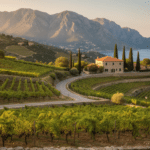
- France: Cultivated in the departments of Aude, Corsica
 Corsican viticultural history dates back… More, Gard, southern Lozère, Hérault, and Pyrénées-Orientales under the name Morrastel.
Emerging Regions:
- Australia: Found in small quantities in Australia
- California: Also grown in small quantities in California
- Argentina: Known as Graciana in Argentina
- Portugal: Related to Portugal’s Tinta Miúda
How Winemakers Use Graciano
Graciano serves multiple purposes in winemaking:
Blending Component: Primarily used as a blending grape to add color, structure, and aromatic complexity to wine blends. In traditional Rioja blends, it contributes intensity and perfume while maintaining relatively small percentages.
Varietal Wines: Though rare, some producers create single-varietal Graciano wines, particularly in newer wine regions where experimentation is more common.
Aging Enhancement: In Rioja, where most red wines are aged in oak, Graciano’s natural notes are complemented by vanilla and sweet spices from barrel maturation.
Tasting Notes and Wine Specifications
Color:
Deeply colored with intense dark red to purple hues, often described as having exceptional color saturation.
Aroma:
Intensely perfumed, with aromas of mulberry, violets and chocolate. Additional notes include:
- Blackberry and mulberry fruit aromas with violet, mint, and cedar notes
- Spicy elements with licorice scents
- Vanilla and sweet spices when oak-aged
Flavor:
Concentrated and dark wine often having a spicy element, with rich berry flavors and complex herbal undertones.
Structure:
- Tannins: Moderately tannic and medium-bodied with moderate tannins
- Acidity: High acid and moderate acidity, providing good structure for aging
- Alcohol: Typically around 14.6% alcohol by volume
Aging:
Graciano responds well to oak aging, which adds vanilla and spice notes to complement its natural fruit and floral characteristics. The grape’s natural acidity and tannin structure make it suitable for medium to long-term aging.
Food Pairing:
Works best with well-spiced lamb, brisket, tri-tip, or grilled chorizo. Additional pairings include:
- Rich, hearty dishes such as beef or lamb stew, Moroccan tagine, or pork Osso Bucco
- Strong cheeses such as blue cheese or gorgonzola
- Blue cheese, blackened cajun catfish, or spicy black tapenade
- Classic dishes like Beef Wellington with roasted garlic mashed potatoes
Culinary Uses of Graciano
Graciano
Graciano is one of the most exciting grapes for both winemakers and food lovers! This grape offers amazing food pairing options thanks to its rich, dark fruit flavors and bright taste. In Northern Spain, where Graciano vines have been grown for hundreds of years, this grape is a must-have in traditional dishes. People enjoy it with paella, tapas, and thick stews all the time. The deep blackberry and violet flavors, mixed with hints of vanilla and spice, make Graciano wines a perfect match for the bold flavors found in Spanish cooking.
Outside of Spain, Graciano is making big waves in places like Paso Robles, California! Here, creative winemakers are mixing it with grapes like Cabernet Sauvignon and Tempranillo. These blends show off the grape’s ability to add depth, color, and smell complexity. The result is wines with a rich, full taste and a smooth, lasting finish. The special flavors of Graciano – from dark fruit and violets to soft vanilla – really stand out, making these wines a top choice for people who want something different.
When it comes to food pairings, Graciano’s flexibility really shines! Its high acid and medium tannins let it work well with many different dishes. Think grilled meats and spicy chorizo to roasted vegetables and strong cheeses. In dry climates, where Graciano grapes are often grown in small amounts, the wines that come out are extra concentrated and flavorful. These are perfect for pairing with bold, savory foods! Try a glass of Rioja Graciano with classic Spanish food like patatas bravas, or enjoy a California Graciano with a perfectly grilled steak or smoky barbecue.
For people who want to try Graciano at home, many producers now offer this rare grape through their websites. This makes it easy to add a bottle – or several – to your cart! Whether you’re joining a wine club, looking at new products, or just stocking up for your next dinner party, Graciano is a great addition to any collection. Its limited supply and unique character make it a sought-after choice for collectors and wine experts alike.
As more winemakers around the world find out about Graciano’s potential, you’ll see it more and more on wine lists and in cellars! Whether you’re enjoying a traditional Spanish blend or a bold New World wine, Graciano promises a memorable wine experience. It’s rich in flavor, full of tradition, and perfect for sharing with friends and family. Now is the perfect time to discover this amazing grape and enjoy all the ways it can make your next meal even better!
Graciano Today
Today, Graciano remains one of the wine world’s best-kept secrets. Despite its exceptional qualities, it continues to be grown in relatively small quantities due to its challenging cultivation requirements. However, this rarity has created a niche market for wine enthusiasts seeking unique and complex wines. As a result, Graciano wines are often in limited stock, making them highly sought-after by collectors.
Modern winemakers are increasingly recognizing Graciano’s potential, both as a blending component and as a varietal wine. Its ability to add depth, color, and aromatic complexity to blends makes it particularly valuable in premium wine production.
The grape’s expansion into New World wine regions like Australia and California suggests growing international interest, though plantings remain limited compared to more mainstream varieties.
Should You Try Graciano?
Absolutely. Graciano offers several compelling reasons for wine enthusiasts to seek it out:
Unique Flavor Profile: Its distinctive combination of dark fruit, floral notes, and spicy elements creates a wine experience unlike more common varietals.
Food Versatility: The medium body with moderate tannins and acidity makes it a great choice for food pairing, particularly with rich, flavorful dishes.
Rarity Value: For collectors and wine enthusiasts, Graciano represents an opportunity to experience a grape variety with deep historical significance but limited availability.
Quality Potential: When well-made, Graciano wines offer exceptional complexity and aging potential, making them excellent choices for special occasions or cellaring.
Conclusion
Graciano represents the fascinating intersection of tradition and rarity in the wine world. This “rare but fine and perfumed Rioja grape” offers wine lovers an opportunity to experience one of Spain’s most distinctive native varieties. While its challenging cultivation has limited its global spread, those who encounter well-made Graciano wines are rewarded with complex, aromatic, and memorable drinking experiences.
For wine enthusiasts seeking to expand their palate beyond mainstream varietals, Graciano offers a gateway into the rich tapestry of Spanish winemaking tradition. Its intense aromatics, food-friendly structure, and distinctive character make it a grape worth seeking out, whether in traditional Spanish blends or as an emerging varietal wine in New World regions.
The future of Graciano may well depend on adventurous winemakers willing to work with this challenging but rewarding grape, and curious wine drinkers eager to explore beyond the familiar. In a world increasingly dominated by international grape varieties, Graciano stands as a testament to the enduring value of indigenous wine traditions and the rewards that come from preserving viticultural diversity.